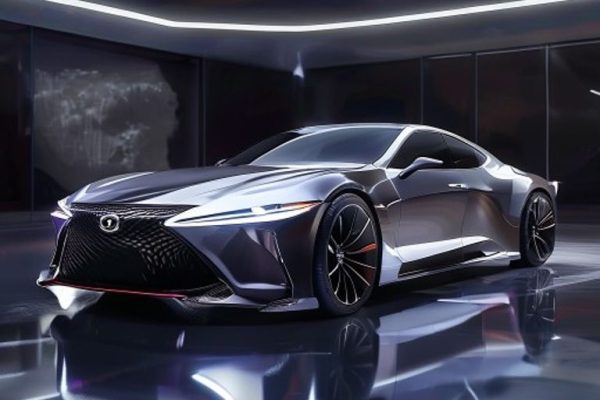



The third quarter of 2026 painted a clear picture of divergent trends within the automotive industry. While select manufacturers celebrated unprecedented successes, the electric vehicle segment continued to navigate significant challenges, underscoring a complex and evolving market landscape.
Kia and Hyundai Achieve Record Sales
Kia and Hyundai concluded Q3 2026 by setting new third-quarter sales records, a testament to their robust market strategies. Their impressive performance highlights several core strengths that consistently resonate with a broad consumer base.
Key factors contributing to their record quarter include:
- Broad Product Offering: A comprehensive lineup from fuel-efficient sedans to popular SUVs (e.g., Sportage, Tucson, Telluride, Palisade) effectively caters to diverse consumer needs and budgets.
- Strong Value Proposition: Competitive pricing, extensive standard features, and industry-leading warranty programs enhance their appeal in a cost-conscious market.
- Modern Design & Technology: Distinctive aesthetics paired with advanced infotainment and safety technologies maintain their contemporary relevance.
- Supply Chain Agility: Effective management of production and distribution likely ensured vehicle availability, giving them an edge over competitors facing potential inventory issues.
Their record-breaking quarter underscores a successful blend of desirable products and market-savvy positioning.
Electric Vehicles Confront Persistent Slump
In contrast to Kia and Hyundai’s success, the electric vehicle (EV) segment experienced slumping sales across the board during Q3 2026. This ongoing trend indicates a slowdown in the rapid adoption seen previously, as the mass market encounters significant hurdles.
The multifaceted challenges impacting EV sales commonly include:
- Charging Infrastructure Concerns: Doubts persist regarding the availability, reliability, and speed of public charging, contributing to « range anxiety. »
- Higher Initial Costs: Despite incentives, the premium price of many EVs, especially amplified by higher interest rates, acts as a significant barrier for consumers.
- Hybrid/PHEV Competition: The growing popularity of conventional hybrids and plug-in hybrids offers a practical middle-ground, siphoning off potential pure-EV buyers.
- Evolving Consumer Priorities: Beyond early adopters, the mainstream market prioritizes practicality, convenience, and total cost of ownership, which current EV offerings don’t always fully address.
- Resale Value Uncertainty: Questions surrounding long-term battery performance and future resale values introduce hesitation among potential buyers in a rapidly evolving market.
The widespread nature of this slump suggests systemic issues affecting the segment’s overall momentum in the current economic and infrastructural climate.
Industry Outlook: Navigating Shifting Tides
Q3 2026’s sales data clearly delineates differing fortunes. The continued strength of brands like Kia and Hyundai reinforces the enduring appeal of value-driven, diverse internal combustion engine (ICE) and hybrid offerings.
Conversely, the persistent struggles in the EV sector point to a crucial period of market recalibration. This demands that manufacturers, infrastructure providers, and policymakers intensify efforts to address core barriers: cost, infrastructure development, and consumer confidence. The long-term shift towards electrification remains, but its immediate pace is clearly being influenced by present market realities.
The coming quarters will be pivotal, revealing whether these EV trends signify a temporary market adjustment or a more fundamental re-evaluation of adoption timelines, even as established players seek to build on their current momentum.
Source : https://www.caranddriver.com/news/a73994800/auto-sales-q3-2026-winners-losers/