

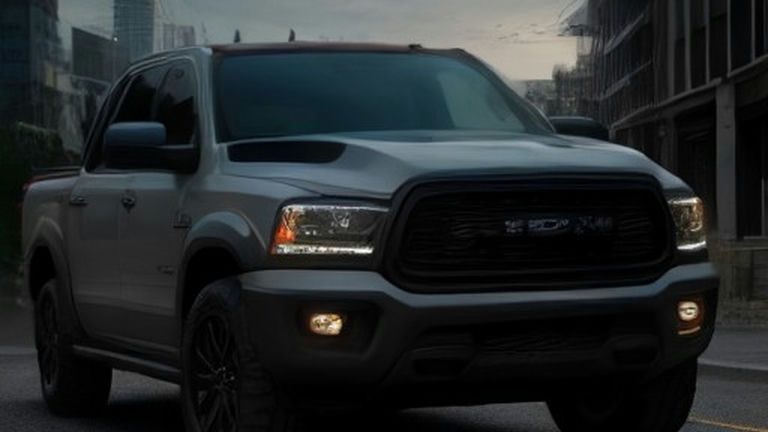
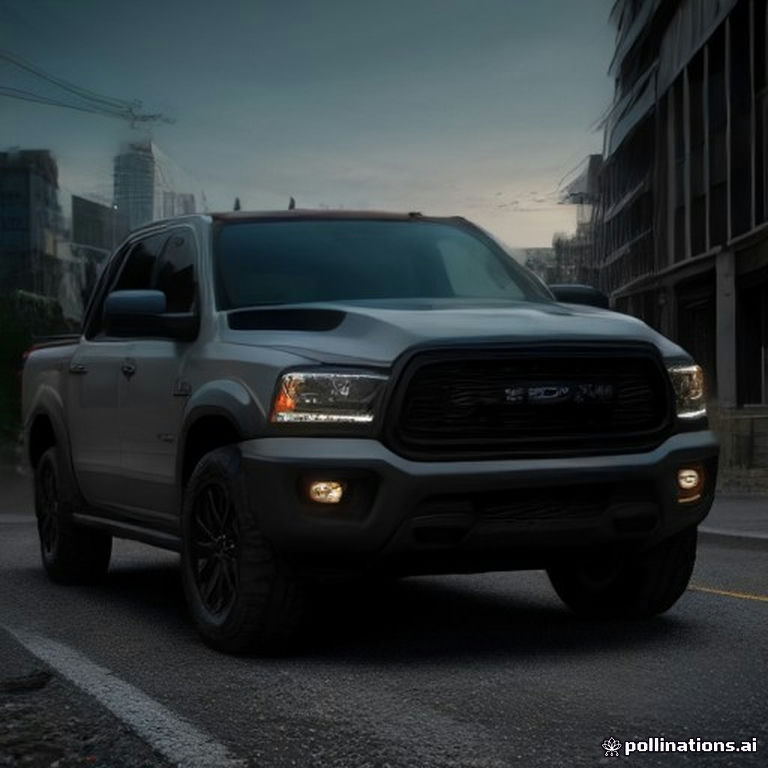
The automotive landscape is poised for a significant shake-up in the compact pickup segment, as Ram’s leadership expresses strong confidence in its forthcoming Rampage model. Slated for arrival in 2028, the Ram Rampage is being positioned directly against the highly successful Ford Maverick, signaling an impending, high-stakes battle for market dominance in a burgeoning vehicle category.
Ram’s Strategic Entry into the Compact Pickup Arena
For decades, Ram has been synonymous with robust, full-size trucks, known for their powerful capabilities and dominant presence. Their strategic decision to enter the compact pickup market with the Rampage marks a calculated expansion. This move aims to tap into a rapidly growing consumer base that prioritizes versatility, fuel efficiency, and a more manageable footprint without sacrificing utility. It’s not merely an addition to their lineup; it’s a direct challenge to established players, particularly the Ford Maverick, which has redefined expectations for compact trucks.
The declaration from Ram’s CEO that the Rampage will « beat » the Maverick is more than just a bold statement; it’s an articulation of strategic intent. It suggests Ram is not just entering the segment to participate, but to lead. This confidence is typically rooted in extensive market research, a clear understanding of consumer desires, and a well-defined product development roadmap aimed at exceeding current benchmarks.
The Resurgence of the Compact Truck Segment
The compact pickup segment, once a staple of the American automotive market, saw a decline for many years as manufacturers focused on larger, more profitable full-size trucks and SUVs. However, the introduction of vehicles like the Ford Maverick has sparked a powerful resurgence. The Maverick demonstrated an untapped demand for:
- Affordability: A lower entry price point compared to full-size trucks.
- Fuel Efficiency: Often incorporating hybrid powertrains, appealing to environmentally conscious buyers and those seeking lower running costs.
- Urban Maneuverability: Easier to park and navigate in city environments.
- Everyday Practicality: A versatile open bed for light hauling, combined with car-like comfort and driving dynamics.
- New Demographics: Attracting buyers who might not consider a traditional body-on-frame truck, including first-time truck owners, urban dwellers, and smaller families.
This success has not gone unnoticed. Other manufacturers are now actively exploring or re-entering this space, recognizing the substantial potential for growth. Ram’s entry with the Rampage underscores the long-term viability and strategic importance of this segment.
Defining « Beating » the Maverick
When a CEO states an upcoming vehicle will « beat » a competitor, it encompasses a multitude of performance indicators beyond just sales figures, though market share is undoubtedly a key metric. For the Ram Rampage to truly outperform the Ford Maverick, it would likely need to excel in several critical areas:
- Sales Volume: Achieving higher unit sales annually.
- Market Share: Capturing a larger percentage of the compact truck segment.
- Customer Satisfaction: Earning higher ratings in owner surveys for reliability, features, and overall experience.
- Innovation: Introducing features, technologies, or design elements that set new standards for the segment.
- Brand Perception: Establishing the Rampage as the benchmark for capability, value, or style in its class.
- Profitability: Generating strong margins, indicating efficient production and strong market demand.
Given Ram’s heritage, it’s reasonable to speculate that the Rampage might aim to differentiate itself through a combination of rugged aesthetics, perhaps a more premium interior than typically expected, or unique utility features that leverage Ram’s truck-building expertise. However, any specific details about its features or specifications remain purely speculative, as the company has not released such information.
The 2028 Horizon: Anticipating Market Evolution
The target launch year of 2028 provides Ram with a considerable development window. This extended timeline allows the company to:
- Thoroughly analyze evolving consumer preferences and market trends.
- Integrate the latest advancements in automotive technology, including potential advancements in powertrain efficiency, connectivity, and safety systems.
- Refine design and engineering to ensure optimal performance, durability, and a distinct Ram identity.
- Strategically plan manufacturing and supply chains to meet anticipated demand.
By 2028, the automotive landscape may look significantly different. The push towards electrification will likely have accelerated, and customer expectations for connected and autonomous features will have matured. The Rampage will need to be designed with future-proofing in mind, capable of adapting to these shifts and remaining competitive for years after its debut. Ram’s confidence implies they are using this time to craft a vehicle that is not just competitive at launch, but also future-ready.
Diversification and Brand Loyalty: Ram’s Strategic Imperatives
Introducing a compact truck like the Rampage allows Ram to achieve several strategic objectives. Firstly, it provides an entry point for customers who might find full-size trucks too large or expensive, potentially drawing in new buyers currently considering sedans, crossovers, or smaller SUVs. Secondly, it offers existing Ram owners a smaller, more fuel-efficient option for daily driving, without forcing them to switch brands entirely. This helps to foster brand loyalty across different vehicle classes.
The success of the Rampage will be critical for Ram’s long-term growth strategy. It represents an opportunity to broaden its appeal and secure a foothold in a segment that is proving to be a vital part of the contemporary automotive market. The « beat » statement from the CEO is a clear indicator that Ram intends to leverage its extensive truck expertise to deliver a product that is not just competitive, but disruptive, aiming to set a new standard for the compact pickup category.
As the 2028 launch approaches, all eyes will be on Ram to see how the Rampage translates its CEO’s ambitious vision into a tangible product that can truly challenge and potentially surpass the Ford Maverick in the fiercely competitive compact truck segment. The battle lines are drawn, and the stage is set for an exciting new chapter in automotive innovation and rivalry.
Source : https://www.caranddriver.com/news/a74477546/ram-ceo-thinks-rampage-will-beat-ford-maverick/

