



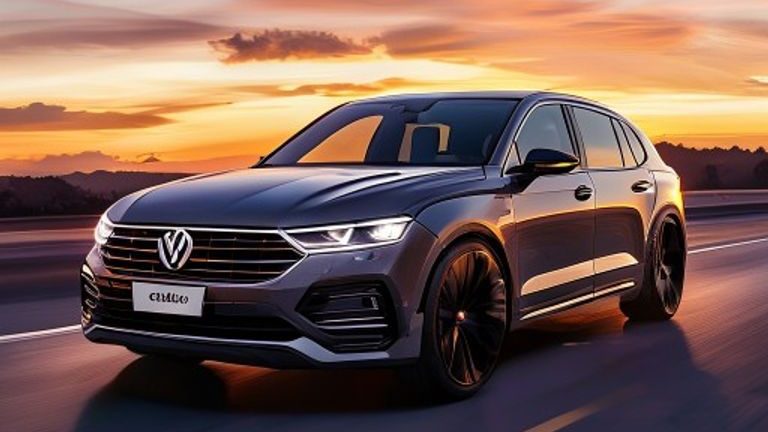
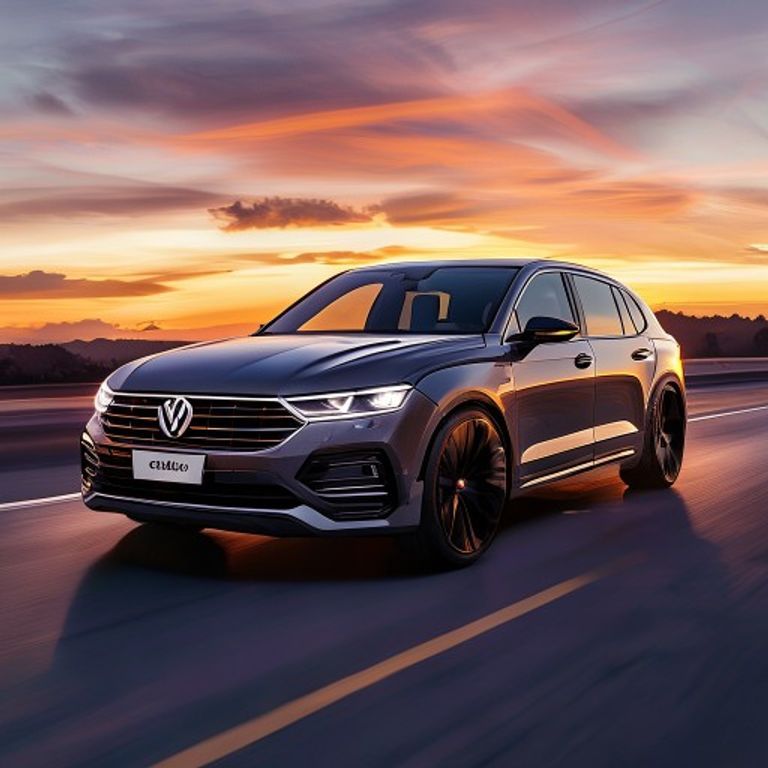
Volkswagen’s popular three-row SUV, the Atlas, is ushering in a significant new chapter with the arrival of its 2027 model year. Marking a complete generational shift, the redesigned 2027 VW Atlas steps onto the automotive stage as a second-generation vehicle, promising a thorough overhaul. This refresh introduces key enhancements: a revised four-cylinder engine and a cabin re-imagined for greater luxury and comfort. However, as is often the case with substantial advancements, these improvements come with a notable adjustment to its market positioning, reflected in a higher base price compared to its predecessor.
The Dawn of a New Era: Second Generation Redesign
The transition to a second generation signifies more than just a cosmetic facelift; it represents a fundamental reimagining of the vehicle’s core identity. A full redesign allows engineers and designers to address every aspect, from its underlying architecture to its exterior aesthetics and interior ergonomics. This generational leap typically involves substantial investment to incorporate the latest advancements in automotive technology, safety, and efficiency. For the Atlas, this means a fresh interpretation of Volkswagen’s design language, likely resulting in a more contemporary stance while retaining the spaciousness and practicality that have defined its success. This underscores Volkswagen’s commitment to keeping the Atlas at the forefront of its class.
Under the Hood: A Refined Powertrain
Central to the 2027 Atlas’s mechanical evolution is the introduction of a revised four-cylinder engine. This update suggests a strategic move to optimize performance, fuel efficiency, and overall driving dynamics. In an era where efficiency is paramount, powertrain revisions are critical for meeting evolving regulations and consumer demands. A revised engine could mean:
- Enhanced Efficiency: Reducing fuel consumption without compromising power.
- Improved Performance: More linear power delivery, increased low-end torque.
- Greater Refinement: Reduced noise, vibration, and harshness (NVH).
- Technological Upgrades: Updates to turbocharging or direct injection.
This focus aligns with industry trends towards smaller, yet more powerful and efficient powerplants for the future-forward Atlas.
Stepping Inside: An Elevated Sanctuary
Perhaps one of the most compelling aspects of the 2027 Atlas’s transformation is its promise of a more luxurious cabin. This upgrade aims to redefine the occupant experience, moving beyond mere functionality. A « more luxurious cabin » implies a comprehensive approach to interior design and material selection, potentially featuring:
- Premium Materials: Higher-quality soft-touch surfaces, refined upholstery, tasteful trim accents.
- Advanced Technology: Latest infotainment systems, larger displays, improved digital instrument clusters, enhanced connectivity.
- Enhanced Comfort: Improved seating design, better support, more adjustability.
- Superior Sound Deadening: Measures to reduce road and wind noise for a tranquil environment.
- Sophisticated Aesthetic: A refined overall design with cleaner lines and meticulous attention to detail.
These enhancements position the Atlas to appeal to buyers seeking a premium experience.
The Inevitable Consideration: A Higher Entry Point
While the redesigned 2027 VW Atlas brings compelling improvements, its notably higher base price will be a key discussion point. This increase is common with full generational overhauls, driven by several factors:
- Increased Development Costs: Extensive engineering, design work, and retooling represent substantial investment.
- Inclusion of Advanced Features: The « more luxurious cabin » and « revised engine » suggest sophisticated materials, cutting-edge technology, and higher standard equipment.
- Market Positioning: Volkswagen may strategically position the new Atlas at a more upscale point, targeting buyers who prioritize refinement.
- Economic Factors: Inflation in raw materials, labor, and transportation also contributes to pricing across the industry.
For consumers, the question will be whether the significant enhancements justify the increased investment, representing a value proposition VW hopes will resonate.
Positioning in a Competitive Segment
The revised 2027 Atlas enters a highly competitive three-row SUV market where value, features, and brand perception constantly battle for consumer attention. With its move towards a more luxurious cabin and refined powertrain, Volkswagen appears to be targeting buyers who prioritize sophistication and advanced features alongside practicality. This strategic shift, despite the higher base price, aims to carve out a distinct identity for the Atlas, allowing it to compete more directly with slightly more premium offerings while retaining its core family-friendly appeal.
Conclusion: The Evolving Atlas
The 2027 Volkswagen Atlas represents a confident stride into its second generation, embodying a clear evolution in design, engineering, and luxury. With its revised four-cylinder engine poised for a more refined and efficient drive, and a cabin meticulously crafted for enhanced comfort and sophistication, the new Atlas aims to solidify its standing as a formidable contender in the three-row SUV segment. While the notably higher base price acknowledges the comprehensive nature of these upgrades, it underscores Volkswagen’s ambition to offer a more premium and refined family SUV experience to discerning buyers.
Source : https://www.caranddriver.com/news/a73191586/2027-volkswagen-atlas-price/