


Sony and Honda Halt Afeela 1 Development Amid Strategic Shifts
In a significant turn for the electric vehicle landscape, the ambitious joint venture between technology giant Sony and automotive stalwart Honda has reportedly ceased development of its flagship electric sedan, the Afeela 1. The vehicle, which garnered considerable attention for its blend of cutting-edge technology and established automotive engineering, was originally slated for market launch this year. This decision marks a pivotal moment, understood to be largely influenced by a strategic re-evaluation within Honda regarding its broader electric vehicle roadmap and independent EV ambitions.
The Afeela 1 represented the future-forward vision of Sony Honda Mobility (SHM), formed in 2022. The venture aimed to marry Sony’s expertise in software, entertainment, sensing, and AI with Honda’s legacy in vehicle manufacturing, safety, and mobility. The goal was to create a ‘software-defined vehicle’ – a rolling platform for entertainment, connectivity, and autonomous driving. It was envisioned as a premium offering, distinguished by its digital prowess as much as its performance and design.
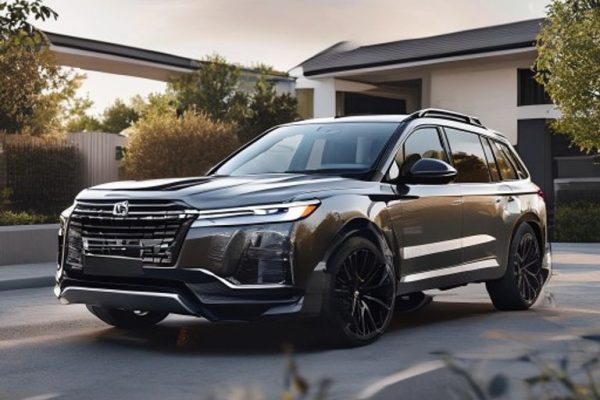
Unveiled with fanfare at events like CES, the Afeela 1 prototype showcased a sleek, minimalist exterior and a highly advanced, screen-dominated interior. Promotional materials emphasized its deep integration of Sony’s entertainment ecosystem, promising an immersive experience powered by advanced Qualcomm Snapdragon Digital Chassis technology. Expectations were high, with pre-orders anticipated in 2025 and initial deliveries slated for 2026, targeting the North American market before global expansion.
Strategic Recalibration at Honda Impacts Joint Venture
The reported cessation of the Afeela 1’s development is understood to be a direct consequence of a significant shift in Honda’s approach to its electric vehicle strategies. While specific details remain guarded, industry analysts suggest the automotive giant is undertaking a comprehensive reassessment of its independent EV ambitions. This strategic pivot, rather than an outright abandonment of all EV development, appears to involve a re-prioritization of resources, platforms, and market entry timelines. Such decisions in the complex, capital-intensive automotive industry are often influenced by evolving market demand, intense competition, and escalating costs.
For Honda, transitioning to an all-electric future presents monumental challenges. Developing new dedicated EV platforms, establishing robust battery supply chains, and investing heavily in charging infrastructure and software demands colossal financial commitments. A re-evaluation of its direct investments and partnerships could consolidate efforts or pivot towards more sustainable pathways. The impact of such a strategic decision by one parent company on a joint venture like Sony Honda Mobility is naturally profound, potentially diverting crucial resources or altering the fundamental strategic alignment that underpinned the Afeela project.
Implications for Sony Honda Mobility and Market Realities
The reported halting of the Afeela 1 raises significant questions about the future of Sony Honda Mobility itself. For Sony, this collaboration represented a bold foray into the automotive sector, leveraging its technological prowess to diversify beyond traditional electronics and entertainment. Its apparent demise suggests formidable barriers to entry and difficulties integrating cultures and operational paces – the fast-moving tech world versus the methodical automotive industry.
The broader electric vehicle market is currently navigating a period of intense flux. After years of explosive growth, slower-than-anticipated consumer adoption in certain segments, coupled with geopolitical uncertainties and economic headwinds, has prompted many automakers to revisit their ambitious electrification timelines. Several critical factors contribute to this more cautious investment climate:
- Slowing Demand: EV adoption has moderated in key markets.
- Infrastructure Challenges: Concerns over charging infrastructure remain a significant deterrent.
- Price Sensitivity: Consumers hesitate to pay the premium for new EVs amidst economic pressures.
- Intense Competition: A crowded market leads to price wars and compressed profit margins.
- Supply Chain Volatility: Global supply chains for critical EV components face disruptions.
This challenging macro-environment may have inadvertently contributed to Honda’s reassessment, ultimately impacting ventures like SHM and the Afeela 1.
The Path Forward for the Partners
With the Afeela 1’s journey reportedly curtailed, both Sony and Honda will likely need to re-evaluate their strategies within the mobility space. For Sony, the substantial investment in SHM and the development efforts for the Afeela platform represent significant intellectual property. It remains to be seen how this expertise will be repurposed. Honda, despite this specific setback, remains a major global automotive player with existing plans for electrification, albeit potentially revised.
While the reported cancellation of the Afeela 1 is undoubtedly a disappointment, it underscores the dynamic nature of automotive and technology convergence. The dream of a deeply integrated, software-first vehicle remains, but its realization entails navigating complex corporate strategies, market volatilities, and the daunting economics of production. The lessons learned from this ambitious undertaking will undoubtedly inform the future paths of both Sony and Honda.
Source : https://www.caranddriver.com/news/a70844284/sony-honda-afeela-1-canceled/