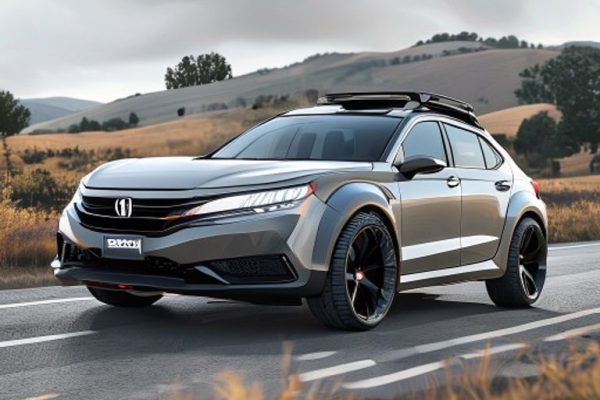


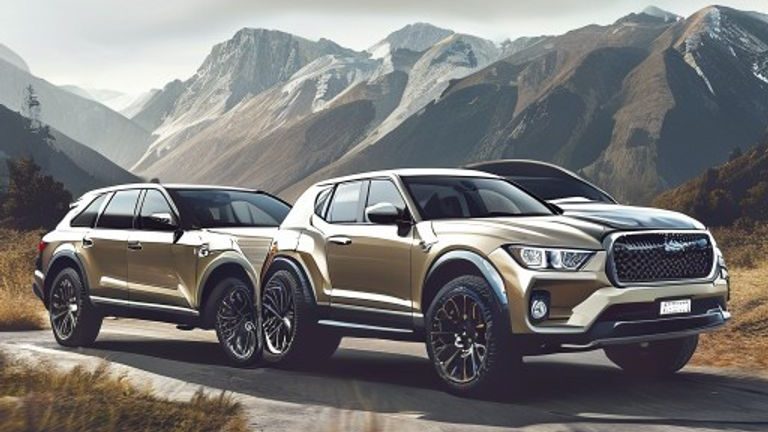
The automotive landscape is constantly shifting, and few vehicles embody this evolution quite as clearly as the Subaru Outback. Once a pioneer in the ‘sport utility wagon’ segment, the Outback has undergone a continuous transformation. As reports of a 2026 Subaru Outback undergoing testing emerge, it underscores a clear and consistent trajectory: the Outback is firmly establishing itself as a robust mid-size SUV, moving further away from its traditional station wagon heritage.
For decades, the Subaru Outback carved a unique niche, blending the practicality of a wagon with the adventurous spirit and capability often associated with SUVs. This dual identity allowed it to appeal to a broad audience, from families needing ample cargo space to outdoor enthusiasts seeking off-road prowess. However, the market’s appetite for SUVs has grown insatiable, prompting many automakers to adapt their offerings, and the Outback’s journey reflects this broader trend.
From Legacy Wagon to Crossover Pioneer
The Outback’s story began in the mid-1990s as a trim level of the Subaru Legacy wagon. Introduced with increased ground clearance, rugged body cladding, larger tires, and standard Symmetrical All-Wheel Drive, it was marketed as the ‘world’s first sport utility wagon.’ This initial iteration was revolutionary, offering a compelling alternative to traditional, often truck-based SUVs of the era, which tended to be less fuel-efficient and less refined for daily driving. Its wagon body style provided car-like handling and and efficiency, while its added ruggedness opened up new possibilities for adventure.
- **Early Generations:** The first few generations of the Outback maintained a strong visual link to the Legacy wagon, primarily distinguished by its raised suspension and protective exterior elements.
- **Market Reception:** It was an instant hit, especially in North America, appealing to those who desired utility and capability without the bulk or perceived inefficiency of a full-blown SUV.
- **Pioneering Spirit:** Subaru effectively created a new segment—the crossover—long before the term became mainstream, proving that consumers desired vehicles that combined the best attributes of cars and utility vehicles.
The Gradual Shift: Embracing SUV Characteristics
Over successive generations, the Outback began to progressively shed more of its direct wagon aesthetics and adopt characteristics more aligned with traditional SUVs. Each redesign brought subtle yet significant changes that collectively nudged the vehicle into its current SUV classification.
One of the most noticeable transformations has been in its dimensions and stance. While retaining a comfortable, car-like ride, the Outback has grown in length, width, and height. Ground clearance, a critical metric for SUV capability, has steadily increased, with current models boasting an impressive 8.7 inches. This elevated ride height not only provides better visibility for the driver but also enhances its ability to tackle rough terrain and navigate unpaved roads with greater confidence, often surpassing many conventional SUVs on the market.
- **Styling Evolution:** The exterior design has become more assertive. Gone are the days of merely adding cladding to a wagon; modern Outbacks feature a more upright grille, bolder wheel arches, and more prominent roof rails, giving them a commanding and rugged presence.
- **Interior Space and Versatility:** Inside, the Outback has consistently focused on maximizing passenger comfort and cargo volume. Its generous rear legroom and substantial cargo area, accessible via a wide-opening rear liftgate, rival many dedicated mid-size SUVs. The emphasis on versatile storage solutions and durable materials further reinforces its utility vehicle credentials.
- **Enhanced Capability:** Subaru’s Symmetrical All-Wheel Drive system remains a core pillar, but it’s been augmented with features like X-Mode, which optimizes engine output and transmission ratio for challenging conditions, and hill descent control. These advanced off-road technologies push the Outback’s capabilities beyond what’s typically expected of a vehicle with ‘wagon roots.’
Defining ‘SUV’: Where the Outback Fits Today
The definition of a ‘sport utility vehicle’ has itself become fluid. Modern SUVs often prioritize comfort, fuel efficiency, and on-road manners as much as—if not more than—raw off-road capability. The Outback perfectly straddles this contemporary definition, offering a compelling blend that makes it a true SUV in today’s context.
It provides the elevated driving position, robust appearance, and perceived safety of an SUV, coupled with Subaru’s renowned reliability and all-weather capability. Its body structure, now designed with a more rigid unibody construction, offers excellent crash protection and refined handling. Crucially, the market has spoken; consumers cross-shop the Outback not against sedans or traditional wagons, but against popular mid-size SUVs like the Honda CR-V, Toyota RAV4, Ford Bronco Sport, and Hyundai Santa Fe.
The emergence of a 2026 model, undergoing development, signifies Subaru’s continued commitment to this evolving identity. While specific details of future iterations are speculative, the overall trend suggests further refinement of its SUV characteristics, potentially with even bolder styling, advanced powertrains, and cutting-edge technology, all while retaining the core adventurous spirit that defines the Outback.
The Subaru Identity and the Future
Subaru’s brand identity is intrinsically linked to safety, capability, and a connection to the outdoors. The Outback, in its current form as a mid-size SUV, perfectly encapsulates these values. It offers the confidence of standard AWD, the protection of its EyeSight Driver Assist Technology, and the practicality needed for an active lifestyle.
The transition from a ‘lifted station wagon’ to a ‘mid-size SUV’ isn’t merely a change in nomenclature; it reflects a deliberate design and engineering philosophy that has adapted to consumer demand and evolving automotive definitions. While its wagon roots are an undeniable part of its rich history, the Subaru Outback of today, and certainly the 2026 model being developed, stands confidently as a compelling and competitive entry in the popular mid-size SUV segment, ready for new adventures on and off the paved path.
Source : https://www.caranddriver.com/reviews/a69427411/2026-subaru-outback-drive/