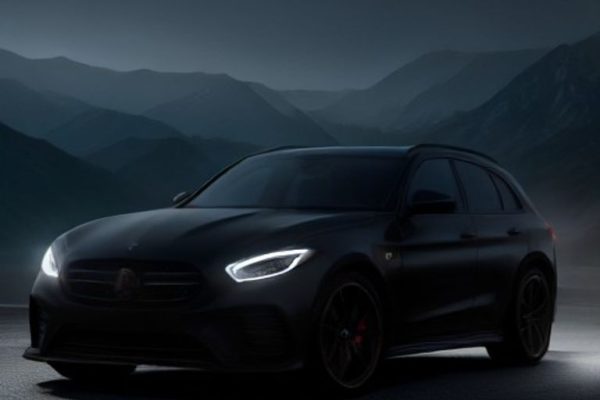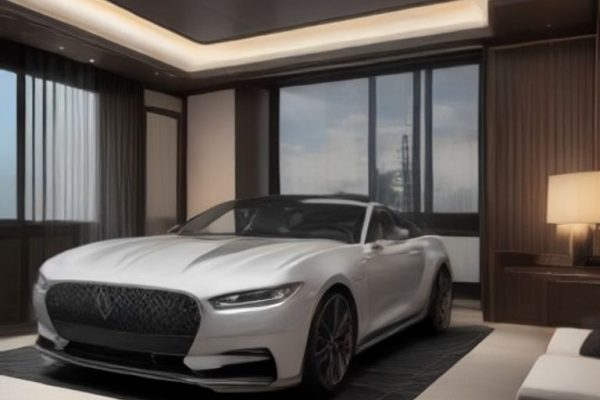


The automotive industry is in a perpetual state of flux, a characteristic amplified dramatically within the burgeoning electric vehicle (EV) segment. As the market matures and consumer adoption grows, the landscape of available models is constantly being reshaped. This dynamic environment means that not every electric vehicle introduced to the market will achieve long-term success. Indeed, several EV models have seen their production runs curtailed after relatively brief periods in the spotlight, a phenomenon that reflects the intense competition and rapid evolution inherent to this transformative sector.
The Dynamic Nature of the EV Market
The journey towards electrification is an ambitious one, marked by significant investment, rapid technological advancement, and shifting consumer preferences. Unlike the long, stable product cycles once common for internal combustion engine vehicles, the EV market operates at an accelerated pace. New battery technologies emerge, charging infrastructures expand, and software capabilities evolve almost continuously. This environment fosters innovation but also creates intense pressure on manufacturers to adapt quickly or risk being left behind. Early entries into the market, while pioneering, may sometimes find themselves outpaced by newer, more efficient, or more feature-rich alternatives.
Factors Influencing Model Discontinuation
The decision to discontinue an electric vehicle model is rarely simple, often stemming from a confluence of complex factors rather than a single issue. These reasons can span market demand, competitive pressures, technological obsolescence, and strategic business realignments. Understanding these underlying currents provides insight into the natural selection process occurring within the EV space.
-
Shifting Consumer Demand and Preferences: Initially, early EV adopters were often enthusiasts willing to overlook certain limitations. As the market broadens, a more diverse consumer base emerges with varying expectations regarding price, range, charging speed, and vehicle segment (e.g., SUVs becoming dominant over sedans). Models that fail to resonate with these evolving preferences, perhaps due to niche appeal, perceived value issues, or design choices, may struggle to find sufficient buyers.
-
Intense Competition and Market Saturation: The EV market is witnessing an explosion of new entrants, from established automotive giants pivoting to electric to nimble startups. This intense competition means that consumers have an ever-growing array of choices. A model that was once innovative can quickly become just one among many, making it challenging to maintain sales volume, especially against newer vehicles offering superior performance, range, or features at a competitive price point.
-
Rapid Technological Advancements: Battery technology is improving at an unprecedented rate, leading to greater energy density, faster charging, and reduced costs. Vehicle platforms are also evolving, integrating advanced software, connectivity, and driver-assistance systems. An EV model launched even a few years ago might utilize technology that is already considered outdated, making it less attractive compared to newer models benefiting from the latest innovations in battery chemistry, motor efficiency, or infotainment.
-
Manufacturing Challenges and Supply Chain Volatility: Developing and mass-producing EVs comes with its own set of hurdles, from securing critical raw materials for batteries to establishing efficient production lines. Some models may encounter insurmountable manufacturing complexities, higher-than-anticipated production costs, or persistent supply chain disruptions for key components. These issues can severely impact profitability and the ability to scale, ultimately making a model unviable.
-
Strategic Business Decisions and Financial Viability: Automakers constantly evaluate their product portfolios to align with long-term strategic goals and ensure profitability. A particular EV model might not meet internal sales targets, profit margins, or fit into a company’s redefined brand image or market segment focus. Startups, in particular, face immense pressure to secure funding and demonstrate viability; if sales don’t materialize quickly enough, or development costs spiral, models might be shelved as the company pivots or ceases operations.
-
Regulatory and Incentive Landscape Changes: Government incentives play a significant role in EV adoption and can heavily influence purchasing decisions. Changes in these incentives, whether at a national or regional level, can alter the economic equation for consumers and manufacturers alike. Similarly, evolving emissions standards or safety regulations might necessitate costly re-engineering, making certain models less attractive for continued production.
The Lifecycle of Innovation
The discontinuation of certain EV models, while perhaps disappointing for their early proponents, is a natural part of any rapidly evolving technological market. It signifies a continuous cycle of innovation, refinement, and adaptation. Early models serve as vital learning platforms, paving the way for the next generation of more efficient, appealing, and cost-effective electric vehicles. This process ensures that the market continually moves towards offering better solutions for consumers.
What This Means for the Future of EVs
Far from indicating a faltering enthusiasm for electric vehicles, the phenomenon of model discontinuation suggests a maturing and increasingly competitive market. It reflects a shift from an experimental phase to one where efficiency, consumer value, and sustainable business models are paramount. As the industry consolidates and technologies become more standardized, fewer models may be discontinued, but the underlying pressure for innovation will remain. Ultimately, this dynamic churn serves to strengthen the EV sector, ensuring that only the most compelling and viable vehicles persist, driving the industry towards a more sustainable and electrified future.
Source : https://www.caranddriver.com/news/g68920984/evs-discontinued-canceled/