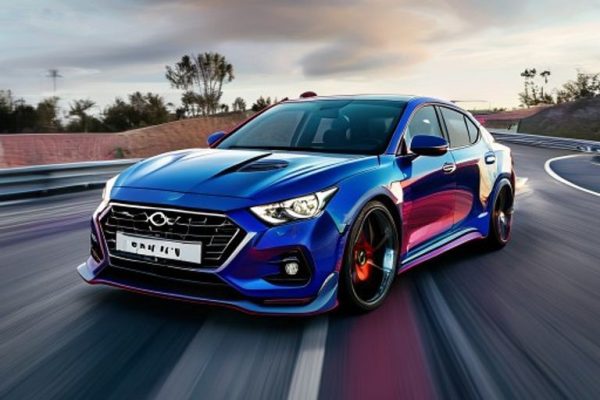



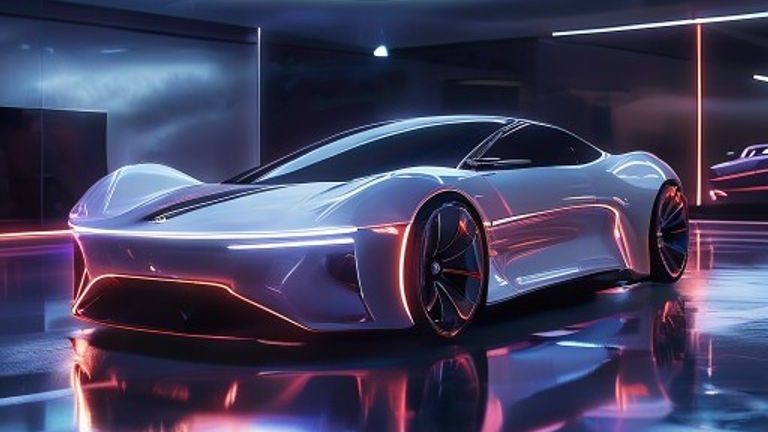
The automotive landscape is undergoing a profound transformation, with electric vehicles (EVs) leading the charge towards a sustainable future. While current models offer compelling reasons to make the switch, the horizon is brimming with an even more exciting array of innovations. Manufacturers globally are pouring significant resources into research, development, and production, promising a diverse fleet of electric cars, trucks, and SUVs that are not yet available for purchase but are progressing through various stages from ambitious concepts to near-production prototypes. This next wave of EVs promises to redefine driving experiences, pushing the boundaries of range, performance, technology, and accessibility.
Understanding the pipeline from drawing board to dealership is crucial when discussing future vehicles. Not every captivating concept car showcased at international auto shows will ultimately make it to mass production. The journey is long and complex, involving extensive engineering, rigorous testing, supply chain development, and navigating a myriad of regulatory hurdles. Some vehicles begin as pure design studies, exploring radical new aesthetics or functionalities, while others are advanced prototypes already undergoing road tests, indicating a much closer path to market. This fluid state means that while anticipation for these upcoming models is high, the final specifications, launch dates, and even the eventual market presence of some vehicles remain subject to change.
The EV Development Pipeline: From Concept to Production
The creation of a new electric vehicle is an intricate, multi-stage process. It typically begins with a concept phase, where designers and engineers explore innovative ideas, futuristic aesthetics, and cutting-edge technologies without the immediate constraints of mass production. These concept vehicles often serve as a brand’s vision for the future, gauging public reaction and setting design language. Following positive reception, a concept might evolve into a prototype phase. Prototypes are functional, often hand-built versions designed for extensive testing, including powertrain development, chassis tuning, and safety evaluations. This is where theoretical designs begin to meet real-world physics and engineering challenges.
Next comes pre-production, where vehicles are built on initial assembly lines to refine manufacturing processes, identify potential bottlenecks, and ensure consistency. These vehicles are very close to what consumers will eventually buy and are often used for final regulatory certifications and press reviews. Finally, successful models enter mass production and are launched to the market. However, along this challenging path, many promising concepts and even advanced prototypes may encounter insurmountable obstacles, such as prohibitive costs, technological limitations, supply chain issues, or shifts in market demand. Consequently, a number of envisioned EVs may indeed never transition from an exciting announcement to a tangible product in showrooms.
Key Trends Defining the Next Generation of EVs
The upcoming electric vehicles promise advancements across several critical areas, addressing current consumer concerns and expanding the appeal of electric mobility:
- Extended Range and Efficiency: Manufacturers are relentlessly pursuing greater energy density in batteries and more efficient electric powertrains. Future EVs are expected to offer significantly longer driving ranges on a single charge, alleviating range anxiety and making long-distance travel more feasible without frequent stops. Improved aerodynamics and lighter materials will also contribute to enhanced efficiency.
- Faster Charging Capabilities: The adoption of higher voltage architectures (e.g., 800V systems) is becoming more common, enabling ultra-fast charging speeds. This means future EVs will be able to replenish a substantial portion of their battery capacity in mere minutes, rivaling gasoline refueling times and making road trips more convenient.
- Advanced Technology and Connectivity: The integration of artificial intelligence, sophisticated driver-assistance systems (ADAS), and enhanced connectivity features will become standard. Over-the-air (OTA) updates will allow vehicles to improve and gain new functionalities throughout their lifespan, keeping them current and personalized. Advanced infotainment systems, augmented reality displays, and seamless integration with smart home ecosystems are also on the horizon.
- Diverse Body Styles and Segments: While sedans and SUVs currently dominate the EV market, the next generation will see an explosion of body styles. Electric pickup trucks, minivans, performance-oriented sports cars, compact urban commuters, and even rugged off-road vehicles are either in development or nearing production. This expansion ensures that an EV option will soon be available for virtually every lifestyle and need.
- Improved Affordability and Accessibility: As battery costs continue to decrease and manufacturing scales up, more affordable EV options are expected to enter the market. This democratization of electric mobility will make EVs accessible to a broader consumer base, accelerating the transition away from internal combustion engines.
- Sustainable Materials and Production: A growing focus on sustainability extends beyond zero tailpipe emissions. Future EVs will increasingly incorporate recycled and sustainably sourced materials in their construction, from interior fabrics to battery components. Manufacturers are also striving for more environmentally friendly production processes, aiming for a lower carbon footprint across the entire vehicle lifecycle.
Navigating the Roadblocks: Challenges in Bringing New EVs to Market
Despite the undeniable momentum, bringing these innovative electric vehicles to market is not without significant challenges. The global supply chain, particularly for critical battery components like lithium, nickel, and cobalt, remains a complex and sometimes volatile landscape. Geopolitical factors, mining capacities, and refining capabilities can all impact the availability and cost of these essential materials. Furthermore, the rapid scaling of battery production to meet burgeoning demand requires massive investments in new factories and technologies.
Manufacturing scalability itself is a hurdle. Building a modern EV requires advanced robotics, specialized tooling, and a highly skilled workforce, often necessitating entirely new assembly lines or significant retooling of existing facilities. Regulatory compliance, especially concerning safety standards and environmental regulations, adds layers of complexity and cost to the development process. Lastly, while consumer interest in EVs is growing, the widespread availability of robust charging infrastructure—both public and private—remains a critical factor influencing adoption rates. Overcoming these hurdles will be paramount for these future EVs to successfully transition from concept to widespread availability.
From Drawing Board to Driveway: What Consumers Can Expect
For consumers, the arrival of this next generation of electric vehicles translates into an era of unprecedented choice and innovation. Expect not just more EVs, but better EVs in nearly every measurable aspect. Range anxiety will become a relic of the past for most drivers, and charging will be faster and more convenient. The driving experience will be enhanced by increasingly sophisticated technology, offering greater safety, comfort, and entertainment. Furthermore, the expanded variety of models means that whether you need a rugged work truck, a spacious family SUV, or a nimble city car, there will soon be an electric option tailored to your specific needs. The future of personal transportation is undeniably electric, and the vehicles on the horizon are set to make that future more compelling than ever.
Conclusion
The next few years promise to be a fascinating period for electric vehicles. From the ambitious designs of concept cars to the advanced engineering of near-production prototypes, the automotive industry is on the cusp of introducing a wave of EVs that will dramatically reshape how we think about mobility. While the journey from an exciting idea to a car on your driveway is fraught with challenges and not every concept will materialize, the innovations underway suggest a future rich with efficient, technologically advanced, and environmentally friendly transportation options. The EVs you’ll soon be able to buy are poised to deliver a driving experience that is not only sustainable but also exhilarating and seamlessly integrated into our modern lives.
Source : https://www.caranddriver.com/news/g29994375/future-electric-cars-trucks/