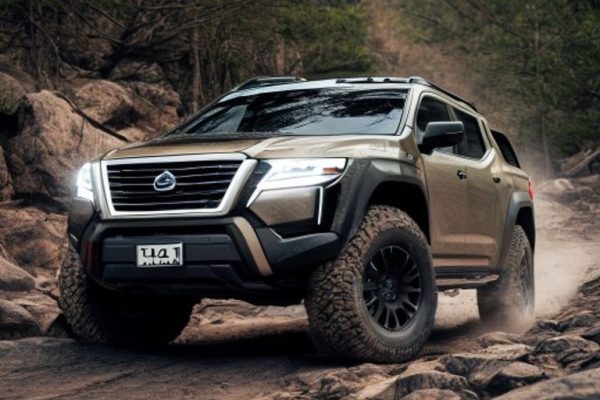




The Allure of Overlanding and the Ranger Raptor’s Transformation
The call of adventure often leads automotive enthusiasts to transform their vehicles for journeys into the wild. For our long-term Ford Ranger Raptor, renowned for its formidable off-road capabilities and sophisticated suspension, the appeal of overlanding was irresistible. The vision was to convert this high-performance desert runner into a self-sufficient expedition vehicle, capable of extended trips into remote wilderness. This ambition involved systematically outfitting the truck with an array of essential gear, preparing it for life off the grid. However, while the promise of enhanced capability was compelling, the practical reality of turning our Ranger Raptor into a comprehensive overland truck brought undeniable consequences, profoundly altering its on-road behavior and efficiency.
The Tangible Impact of Added Weight: 446 Pounds
An inherent part of overlanding conversion is the addition of substantial equipment. For our Ranger Raptor, this process culminated in an increase of an extra 446 pounds of bulky gear. This wasn’t merely a small collection of tools; it represented a significant augmentation of the truck’s overall mass. This added burden fundamentally changes the physics of vehicle performance. Imagine adding the equivalent of two average adult passengers, plus a fully loaded large suitcase, permanently to your vehicle. This extra weight affects everything: how the engine works, how the tires grip, and how the suspension system manages impacts. Every component must now contend with an additional force that wasn’t part of its original design for optimal performance. This gear typically includes items like roof racks, rooftop tents, recovery equipment, spare fuel and water, and heavy-duty protective components, all contributing to a new operational baseline for the vehicle.
Performance Degradation: A Noticeable Slowdown
The most immediate and noticeable consequence of the additional 446 pounds was a pronounced degradation in the Ranger Raptor’s performance. The truck, once feeling nimble and eager, now exhibited a distinct sluggishness. Accelerating from a standstill became a more deliberate affair, demanding the engine work considerably harder to overcome increased inertia. Merging onto highways or attempting overtakes, previously executed with effortless authority, now required more planning and a heavier foot on the throttle. The feeling of « getting a lot slower » was a tangible shift in the truck’s responsiveness and overall driving dynamics. Beyond straight-line speed, the added mass also extended braking distances and influenced handling characteristics. Cornering felt less crisp, with a perceptible increase in body roll, as the sophisticated Fox Live Valve suspension system had to contend with a higher constant load, altering its finely tuned damping response. What was once a high-performance, agile truck now felt decidedly more ponderous.
Highway Fuel Economy Takes a Significant Hit
Perhaps one of the most impactful long-term consequences of the overland conversion was the noticeable decline in highway fuel economy. When a vehicle carries an additional 446 pounds, the engine must consume more fuel to move that extra mass, especially at cruising speeds where overcoming rolling resistance and aerodynamic drag becomes a constant battle. The increased weight directly translates to a higher workload for the powertrain, which in turn leads to greater fuel consumption. Furthermore, much of the bulky gear associated with overlanding, such as roof racks and rooftop tents, significantly alters the vehicle’s aerodynamic profile. This creates additional drag, forcing the engine to expend even more energy to maintain speed, effectively pushing through a larger wall of air. This cumulative effect meant the Ranger Raptor’s efficiency on long highway stretches was substantially reduced, translating directly into higher operating costs and more frequent stops at the fuel pump. For a truck intended for extensive touring, this reduction in fuel efficiency impacts practical range and overall travel economics.
The Overland Trade-Off: Readiness vs. Practicality
The experience with our long-term Ford Ranger Raptor highlights a critical consideration for anyone contemplating an extensive overland conversion: the inherent trade-offs between ultimate readiness and everyday driving practicality. While the added gear undeniably enhances the truck’s self-sufficiency for remote expeditions, it comes at a cost to its original design intent as a performance off-roader and its efficiency as a daily driver. Enthusiasts must weigh the benefits of having every conceivable piece of recovery, camping, and survival gear on board against the penalties in acceleration, handling, braking, and, crucially, fuel economy.
- Enhanced Capability: Equipped for self-sufficient remote travel.
- Reduced Driving Dynamics: Slower acceleration, less agile handling.
- Increased Operating Costs: Higher fuel consumption, especially on highways.
- Altered Vehicle Feel: Changes in braking and body roll.
- Preparedness: Confidence in having essential gear for any adventure.
Ultimately, the transformation of our Ford Ranger Raptor into an overland truck served as a valuable lesson. It demonstrated that while the pursuit of adventure is admirable, every pound added and every aerodynamic compromise made has a direct, measurable impact on the vehicle’s driving experience and operational costs. Understanding and anticipating these trade-offs is key to building a vehicle that truly meets needs without inadvertently undermining its fundamental strengths.
Source : https://www.caranddriver.com/news/a73615820/2024-ford-ranger-raptor-overland-gear-test-results/