
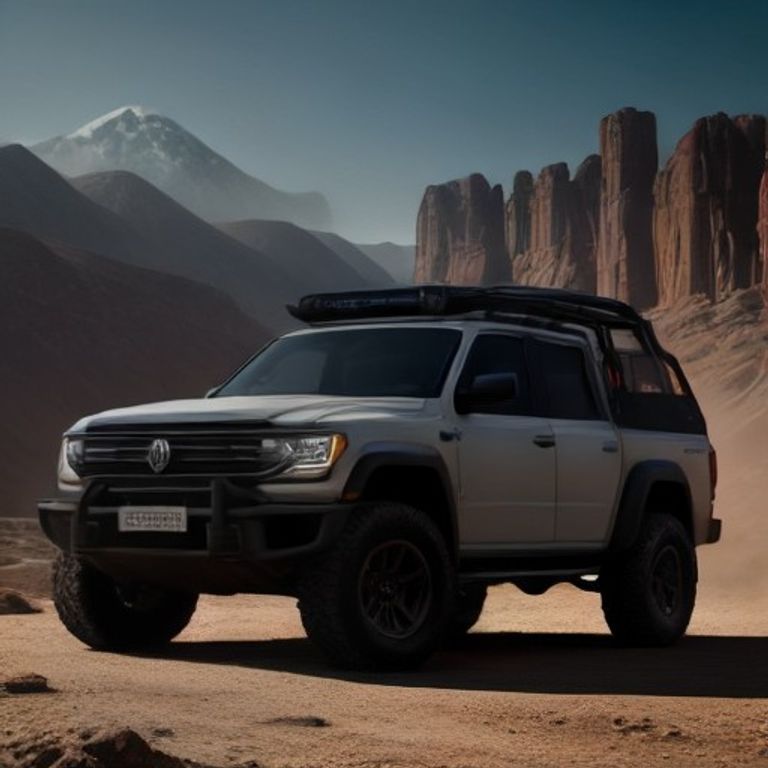
Volkswagen Teases Next-Gen Amarok: A Global Player with Potential U.S. Ambitions?
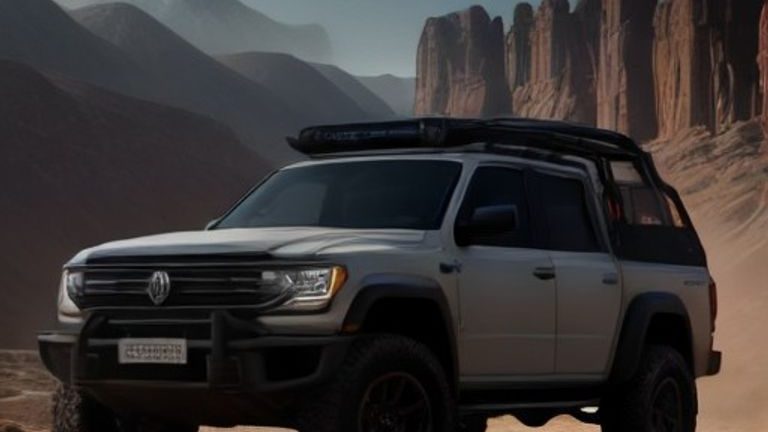
Volkswagen has once again captured the attention of automotive enthusiasts and industry observers by providing a tantalizing glimpse of the next-generation Amarok pickup truck. The initial announcement confirmed its availability in key markets south of the border, but the most intriguing question remains: could this new iteration, potentially the most powerful Amarok ever, finally pave the way for a long-awaited U.S. debut?
The Amarok, Volkswagen’s robust mid-size pickup, has forged a strong reputation across various international markets since its original launch in 2010. Known for its blend of utility, refined driving dynamics, and premium interior, it has been a significant player in regions like Europe, Australia, South Africa, and Latin America. Its absence from the highly lucrative and competitive U.S. market has always been a point of discussion among truck aficionados.
The Global Appeal of the Amarok and its Strategic Evolution
The first-generation Amarok successfully carved out a niche for itself by offering a European-engineered alternative to traditional pickups. It was praised for its car-like comfort and handling, particularly on paved roads, while still delivering respectable off-road capability and hauling capacity. This balance helped it appeal to a broad demographic, from tradespeople to adventurers. The decision to tease the next-gen model signifies Volkswagen’s continued commitment to the global pickup segment.
A pivotal development for the upcoming Amarok is its strategic partnership with Ford. This collaboration, which sees the next-generation Amarok sharing its platform and many underpinnings with the highly anticipated new Ford Ranger, is a game-changer. This joint development allows Volkswagen to leverage Ford’s extensive experience and economies of scale in truck manufacturing, potentially enhancing the Amarok’s capabilities and streamlining production. It also addresses the significant investment required to develop an entirely new pickup platform independently, making the project more viable for both companies.
« South of the Border » and Key Markets
The confirmation that the new Amarok will be sold in regions « south of the border » points primarily to markets such as Mexico and various countries across Central and South America. These regions represent vital strongholds for mid-size pickup trucks, where they serve as indispensable workhorses for businesses, essential family transport, and recreational vehicles. Volkswagen has a well-established presence and strong brand loyalty in many of these territories, making the Amarok a natural fit for continued success there. The current Amarok has been particularly successful in countries like Argentina, Brazil, and Mexico, where its ruggedness and premium feel are valued.
For these markets, the next-gen Amarok is expected to build upon its predecessor’s strengths, offering improved technology, enhanced safety features, and potentially a broader range of powertrains adapted to local demands and fuel regulations. The collaboration with Ford also means access to proven truck components and robust engineering, which is highly valued in demanding environments.
The U.S. Market Conundrum: A Glimmer of Hope?
The prospect of the Amarok finally making its way to U.S. shores has been a recurring theme for over a decade. The U.S. pickup market is unique, characterized by fierce competition, specific consumer preferences, and regulatory complexities, including the long-standing « chicken tax » – a 25% tariff on imported light trucks. This tariff has historically deterred many foreign automakers from bringing their global truck offerings to the U.S. unless they can be manufactured domestically, which requires substantial investment.
However, several factors might be shifting the landscape:
- Evolving Mid-Size Segment: The U.S. mid-size truck market is experiencing a renaissance, with new and updated models from rivals like the Ford Ranger, Chevrolet Colorado, Toyota Tacoma, and Nissan Frontier. Consumers are increasingly looking for more versatile and fuel-efficient alternatives to full-size trucks.
- Shared Platform Advantage: The shared platform with the Ford Ranger is a significant consideration. If the Amarok were to be manufactured alongside the Ranger in a North American Ford plant, it could potentially circumvent the chicken tax. This scenario, while speculative, is not without precedent in the automotive industry.
- « Most Powerful Amarok Yet »: The suggestion of a « most powerful Amarok yet » hints at the potential for strong engine options, possibly including V6 turbodiesel or turbocharged gasoline engines, which would be crucial for competing in the power-hungry U.S. market. A compelling powertrain is often a prerequisite for challenging established players.
- Volkswagen’s North American Strategy: Volkswagen has been aggressively expanding its SUV lineup in North America with models like the Atlas and Taos. While pickups are a different segment, a strategic entry could complement their utility vehicle offerings and attract a new customer base, particularly those seeking a more premium or European-flavored mid-size truck.
Challenges and Opportunities for a U.S. Entry
Despite the potential advantages, the challenges of entering the U.S. market are formidable. Volkswagen would need to establish a distinct brand identity for the Amarok that differentiates it from the Ford Ranger, despite their shared underpinnings. Marketing, distribution, and a robust dealer network prepared for truck sales would also be critical. Furthermore, adapting the Amarok to meet stringent U.S. safety and emissions standards would require dedicated engineering efforts.
Yet, the opportunity to tap into a growing segment with a vehicle renowned for its capabilities and comfort could be substantial. Volkswagen has demonstrated a willingness to adapt its global portfolio for regional success, and the Amarok could represent the next logical step in solidifying its North American presence beyond SUVs.
Conclusion
As Volkswagen continues to peel back the layers on its next-generation Amarok, the excitement is palpable. Its confirmed presence in key markets « south of the border » reaffirms its importance in the global truck landscape. However, the whispers of a « most powerful Amarok yet » inextricably link its future to the ever-present question of a U.S. debut. While no official confirmation exists, the factors aligning — from platform sharing to a revitalized mid-size segment — suggest that the stars might finally be aligning for Volkswagen to seriously consider bringing its global pickup contender to North American roads. Automotive enthusiasts will undoubtedly be watching closely for any further hints from Wolfsburg regarding the Amarok’s ultimate destination.
Source : https://www.caranddriver.com/news/a73520708/volkswagen-amarok-next-gen-hybrid-truck-teased/