


Volkswagen ID.3 Neo: A Refined Vision for the Electric Hatchback
The automotive landscape is constantly evolving, and manufacturers frequently refine their offerings based on market feedback and technological advancements. Volkswagen’s ID.3 Neo emerges as a significant example of this iterative process within the rapidly expanding electric vehicle segment. Positioned squarely for the discerning European market, this latest iteration of the ID.3 electric hatchback signals a clear strategic pivot for the brand. It appears to represent a renewed commitment to core Volkswagen principles: a design philosophy rooted in handsome, mature aesthetics, and a significant re-emphasis on intuitive, physical controls within the cabin. This approach suggests a brand keenly attuned to the nuances of user experience, aiming to blend cutting-edge electric mobility with time-honored ergonomic sensibilities.
The Context of Evolution and Learning
Product development in the automotive industry is rarely a static process; it’s an ongoing dialogue between innovation and user feedback. The ID.3, as one of Volkswagen’s pioneering dedicated electric vehicles, naturally faced the scrutiny that comes with launching a new platform and design language. While it successfully introduced many to mainstream electric motoring, subsequent models and market responses offer valuable lessons. The introduction of the ID.3 Neo indicates that Volkswagen has carefully absorbed these lessons, translating them into tangible improvements for its popular electric hatchback. This isn’t merely a minor refresh, but rather an intentional recalibration, demonstrating a willingness to adapt and refine its initial vision for the ID family. The « Neo » suffix itself hints at a new beginning, a fresh interpretation built upon accumulated knowledge.
A Return to Handsome, Mature Styling
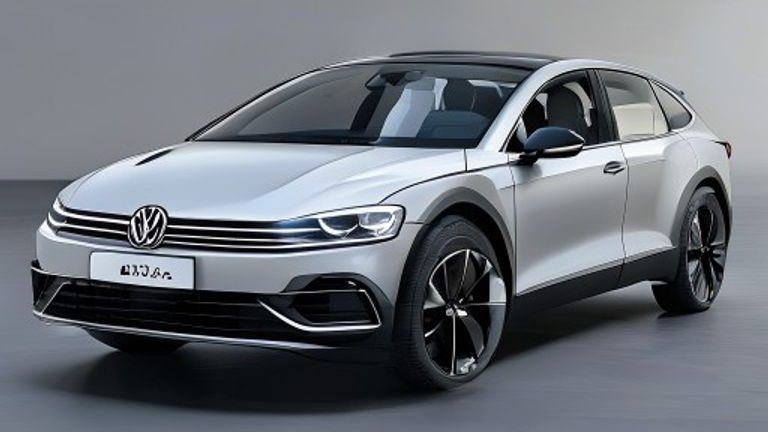
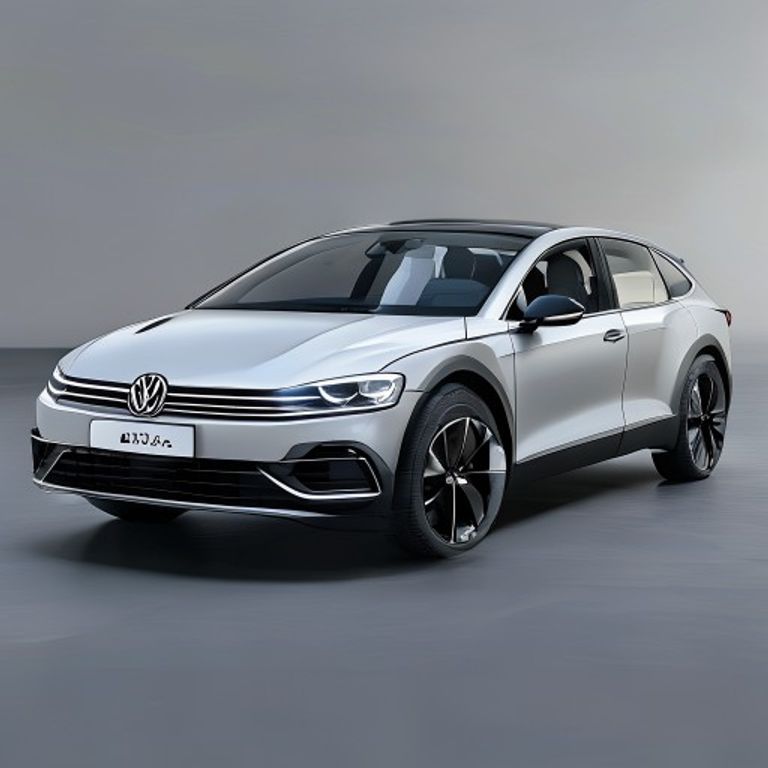
One of the most noticeable shifts heralded by the ID.3 Neo is Volkswagen’s recommitment to a styling ethos that can be described as handsome and mature. In an era where some automotive designs lean towards the avant-garde or overtly futuristic, this direction suggests a return to a more timeless and universally appealing aesthetic. « Handsome » in the context of Volkswagen often implies clean lines, well-proportioned forms, and a sense of understated elegance rather than overt flamboyance. « Mature » further reinforces this, suggesting a design that prioritizes longevity and broad appeal over fleeting trends. This philosophical alignment could mean a greater emphasis on subtle detailing, improved surface quality, and an overall visual coherence that instills a sense of premium quality and enduring appeal. For the European market, where design subtlety and functional beauty are often highly valued, this refined aesthetic promises to resonate deeply, positioning the ID.3 Neo as a sophisticated choice within the electric hatchback segment. It reinforces Volkswagen’s heritage of producing vehicles that are both visually appealing and inherently practical, avoiding designs that might polarize opinion in favor of a more universally embraced presence on the road.
Reclaiming Usability: The Focus on Physical Controls
Perhaps one of the most significant and widely anticipated changes in the ID.3 Neo’s philosophy concerns its cabin ergonomics, specifically the re-emphasis on physical controls. In recent years, there has been a widespread industry trend towards integrating numerous functions into large touchscreen interfaces, often at the expense of tactile feedback and immediate access. While digital interfaces offer design flexibility, they can sometimes introduce complexity and necessitate increased driver attention away from the road for routine operations. Volkswagen’s decision to recommit to physical controls for the cabin in the ID.3 Neo is a direct response to this ongoing debate and a clear signal of prioritizing driver and passenger usability.
- Tactile Feedback: Physical buttons and switches provide immediate haptic confirmation, allowing drivers to operate functions by feel without needing to visually confirm every input.
- Reduced Distraction: Common actions like adjusting climate control or audio volume can be performed more intuitively and with less visual attention, contributing to safer driving.
- Ergonomic Familiarity: Many drivers appreciate the straightforwardness of traditional controls, finding them easier to learn and use consistently across different driving conditions.
- Premium Feel: Well-designed physical controls, with satisfying clicks and solid construction, can enhance the perceived quality and premium feel of an interior, contributing to overall cabin comfort.
This strategic move underscores Volkswagen’s dedication to creating a more intuitive and less distracting driving environment. It represents a conscious effort to balance modern digital integration with fundamental principles of ergonomic design, ensuring that technology serves the driver, rather than overwhelming them. This approach is likely to be particularly well-received by drivers who value practicality and a straightforward user experience, affirming the ID.3 Neo as a vehicle designed with real-world driving scenarios firmly in mind.
Market Positioning and Brand Philosophy
The ID.3 Neo, with its refined styling and emphasis on physical controls, is strategically positioned to strengthen Volkswagen’s presence in the highly competitive European electric vehicle market. By addressing feedback and returning to core brand values, VW aims to solidify the ID.3’s appeal as a reliable, user-friendly, and aesthetically pleasing electric hatchback. This evolution reflects a deeper brand philosophy: one that values continuous improvement, listens to its customer base, and prioritizes a balanced approach to innovation. It suggests that Volkswagen is not merely chasing technological advancements but also ensuring that these advancements are integrated in a manner that enhances the overall ownership and driving experience. The ID.3 Neo thus becomes more than just an updated model; it stands as a testament to Volkswagen’s ongoing commitment to delivering practical, well-engineered, and emotionally resonant vehicles, now fully adapted for the electric age.
Conclusion
In summary, the Volkswagen ID.3 Neo represents a thoughtful and strategic evolution for the brand’s popular electric hatchback. Through its recommitment to handsome, mature styling and a deliberate return to intuitive physical controls within the cabin, Volkswagen signals a clear intention to refine its electric vehicle offerings. This approach acknowledges past learning and prioritizes a driver-centric experience, ensuring that innovation is coupled with practicality and timeless design principles. For the European market, the ID.3 Neo promises to deliver an electric vehicle that is not only environmentally conscious but also deeply satisfying to interact with, both visually and functionally. It stands as a compelling indication that Volkswagen is not just building electric cars, but is actively perfecting the experience of driving them, blending modern technology with established ergonomic wisdom and appealing aesthetics.
Source : https://www.caranddriver.com/news/a71026558/volkswagen-id3-neo-revealed/