


VW’s Mission Efficiency Prototype: An XL1 for the Electric Era
Volkswagen has unveiled a fascinating new concept, dubbed the ‘Mission Efficiency Prototype,’ which is quickly drawing comparisons to one of the brand’s most extreme and efficiency-focused vehicles: the limited-production XL1. This new electric concept embodies a similar philosophy of hyper-efficiency and range-stretching design but brings it firmly into the electric age, offering a compelling glimpse into how Volkswagen envisions future EV mobility that prioritizes minimal energy consumption over sheer battery size. While the XL1 pursued ultimate fuel economy, the Mission Efficiency Prototype targets an equally ambitious goal: maximizing electric range through groundbreaking efficiency.
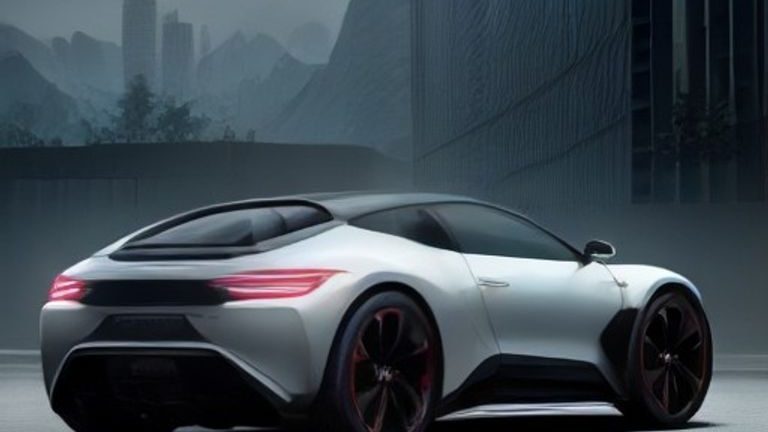
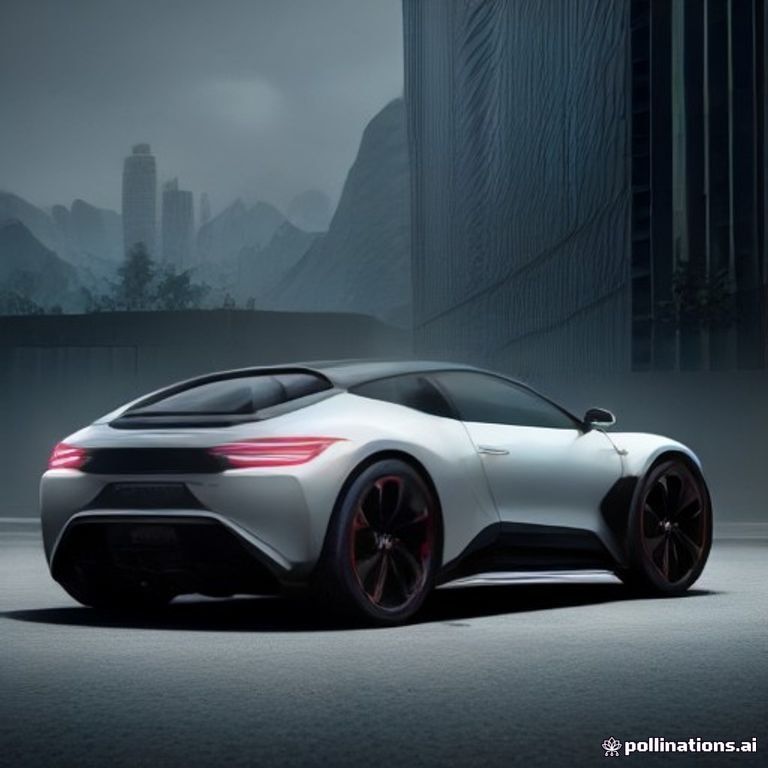
The core identity of the Mission Efficiency Prototype is encapsulated by its description as a ‘radical-looking, range-stretching car.’ This is not merely a stylistic statement but a testament to its engineering priorities. Every curve, every line, and every surface of this vehicle is meticulously crafted to cheat the wind and reduce aerodynamic drag to an absolute minimum. Such a design approach often results in unconventional aesthetics, pushing the boundaries of traditional automotive styling in pursuit of a singular, performance-driven objective – in this case, extending electric range. The radical appearance is therefore a direct outcome of its mission, reflecting the same kind of purpose-driven design that made the XL1 so distinctive.
A Spiritual Successor to the XL1
To truly understand the significance of the Mission Efficiency Prototype, one must first recall the Volkswagen XL1. Launched in the early 2010s, the XL1 was a technological tour de force, a two-seater plug-in hybrid designed to achieve an almost unbelievable fuel consumption figure of 1 liter per 100 kilometers. It was an engineering marvel, featuring an ultra-lightweight carbon fibre monocoque, a tiny 0.8-liter two-cylinder diesel engine, and an electric motor. Its teardrop shape, covered rear wheels, and extremely low drag coefficient were all optimized for unparalleled aerodynamic efficiency. The XL1 was a limited-run, highly expensive vehicle, serving primarily as a halo car to showcase Volkswagen’s technological prowess and commitment to efficiency. It was a statement, a tangible piece of automotive future.
The Mission Efficiency Prototype appears to inherit this pioneering spirit. Instead of focusing on fossil fuel economy, it reimagines that ethos for the electric vehicle era. In a world where many EVs seek to compensate for inefficiency with ever-larger and heavier battery packs, this prototype advocates for a smarter, more sustainable approach. By dramatically improving the vehicle’s inherent efficiency, Volkswagen aims to extract more range from a given battery capacity, potentially leading to lighter, more affordable, and ultimately more environmentally friendly electric cars.
Powertrain and Practicality: Key Evolutions
One of the most intriguing details revealed about the Mission Efficiency Prototype is that it ‘packs an ID.Polo’s powertrain.’ This tidbit offers several important insights. Firstly, it indicates Volkswagen’s commitment to modularity and scalability within its ID. family of electric vehicles. The ‘ID.Polo’ refers to what is expected to be a smaller, more compact, and potentially more affordable entry-level electric model in Volkswagen’s ID. lineup. By utilizing a powertrain from such a vehicle, the Mission Efficiency Prototype is not relying on bespoke, hyper-expensive components but rather on technology that is anticipated to be mass-producible and cost-effective. This suggests a more pragmatic approach to its design, aiming for efficiency that could potentially be accessible to a broader market, rather than remaining purely a high-end concept.
Secondly, deploying an ID.Polo’s powertrain in a ‘range-stretching’ vehicle implies that the prototype’s extended range isn’t solely derived from a massive battery, but significantly from its incredible efficiency. It suggests that even a more modest, compact electric drivetrain, when coupled with extreme aerodynamic optimization and potentially lightweight construction, can deliver impressive range figures. This challenges the notion that larger batteries are the only path to long-distance EV travel.
Perhaps the most significant differentiator between the Mission Efficiency Prototype and its spiritual predecessor, the XL1, is its inclusion of ‘a back seat too.’ This seemingly small detail represents a monumental leap in practicality and potential market appeal. The XL1 was a strict two-seater, limiting its usability to individuals or couples without regular need for passenger space. The addition of a back seat immediately transforms the Mission Efficiency Prototype from a niche engineering showcase into a potentially viable family vehicle or everyday commuter. This move signals Volkswagen’s intent to bridge the gap between extreme efficiency concepts and the needs of real-world consumers, indicating that radical efficiency doesn’t necessarily have to come at the cost of utility.
Design Philosophy and Future Implications
The ‘radical-looking’ design of the Mission Efficiency Prototype is not just for show; it’s a meticulously engineered form that prioritizes airflow and minimizes resistance. While specific design elements haven’t been fully detailed, one can infer several features common in hyper-efficient concepts:
- Aerodynamic Silhouette: A sleek, elongated teardrop shape, minimizing frontal area and ensuring smooth airflow over the entire body.
- Minimized Apertures: Flush door handles, perhaps active grille shutters, and possibly covered or partially covered wheel wells to reduce turbulence.
- Low Stance: A low ride height to reduce air resistance underneath the vehicle.
- Advanced Lighting: Ultra-slim LED lighting elements that integrate seamlessly into the bodywork, reducing drag.
- Lightweight Materials: While not explicitly stated, the spirit of the XL1 suggests the use of advanced lightweight materials like carbon fiber reinforced polymer (CFRP) or aluminum alloys to further enhance efficiency by reducing overall vehicle mass.
As a ‘prototype,’ the Mission Efficiency is a testbed for Volkswagen. It allows the company to explore new frontiers in EV design, test advanced aerodynamic solutions, and demonstrate the capabilities of its scalable electric platforms. It serves as a statement that Volkswagen is not just chasing horsepower and acceleration in its EV lineup, but also a future where efficiency is paramount. This prototype could either pave the way for a highly efficient, production-ready EV that sits alongside the ID. range, or it could simply serve as an influential concept, with its innovations and design principles filtering down into future ID. models across the board. Either way, the Mission Efficiency Prototype reinforces Volkswagen’s commitment to pushing the boundaries of electric vehicle efficiency, offering a glimpse into a more sustainable and range-optimized future of mobility.
Source : https://www.caranddriver.com/news/a73728537/vw-mission-efficiency-prototype-details/