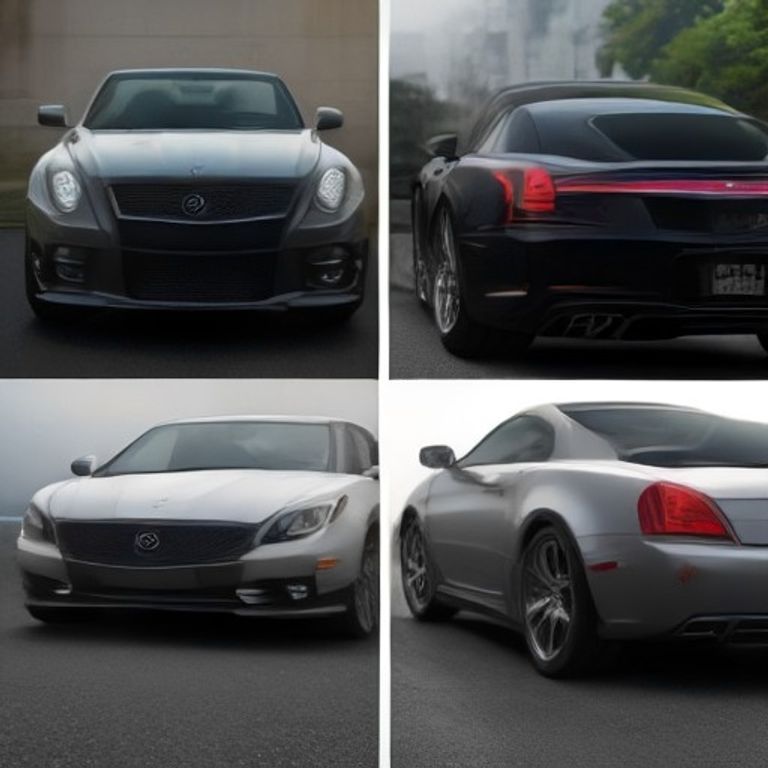
Introduction: The Battle for Open-Air Supremacy in 2004
The year 2004 marked a fascinating juncture in the luxury automotive market, particularly within the highly coveted segment of high-end grand touring convertibles. This arena, where style, performance, and prestige converged, was traditionally dominated by established European and Japanese marques. Vehicles priced around the $75,000 mark and above represented the pinnacle of open-air motoring, offering discerning buyers a blend of exhilarating performance, opulent comfort, and undeniable curb appeal. It was into this fiercely competitive landscape that Cadillac boldly introduced its all-new XLR, a luxury roadster designed to challenge the reigning "glamour boys" from Jaguar, Lexus, Mercedes-Benz, and Porsche.
The question on everyone’s mind was whether the American newcomer possessed the gravitas, refinement, and performance credentials to genuinely disrupt a status quo built on decades of heritage and engineering excellence. The XLR’s arrival wasn’t merely about adding another convertible to the market; it was a statement of intent from Cadillac, signifying a renewed ambition to compete on the global stage, offering a distinctive American interpretation of high-performance luxury.
Cadillac XLR: A Fresh Face from America
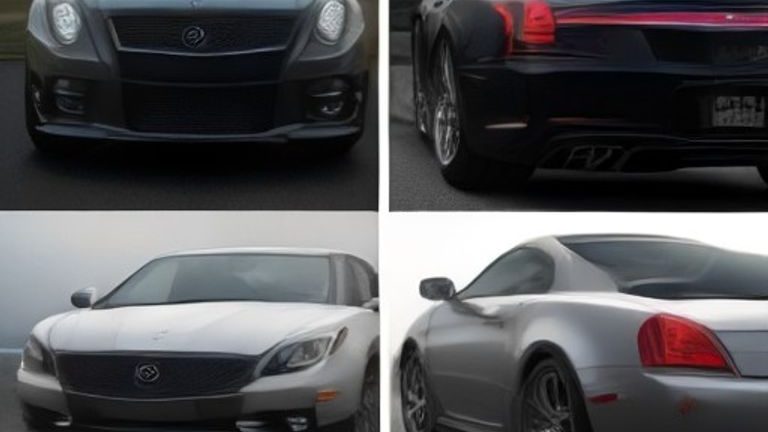
The 2004 Cadillac XLR represented a pivotal moment for the brand’s revitalization strategy. Born from a desire to create a world-class luxury roadster, the XLR shared its fundamental architecture with the celebrated Chevrolet Corvette, hinting at a performance pedigree beneath its distinctive skin. However, the XLR carved out its own identity with unique styling, an upscale interior, and a focus on grand touring comfort rather than raw track performance. Its aesthetic was a clear departure for Cadillac, embracing sharp, angular lines that projected a modern, almost futuristic presence.
A key feature distinguishing the XLR was its power-retractable hardtop, a sophisticated piece of engineering that offered the security and quietness of a coupe with the exhilaration of a convertible at the touch of a button. This innovative solution was a major draw, providing a versatility that many traditional soft-top convertibles could not match. Powered by Cadillac’s proprietary Northstar V8 engine, the XLR aimed to deliver a smooth yet potent driving experience, positioning itself as a compelling alternative for buyers seeking a unique blend of American luxury and advanced technology in the premium convertible segment.
The European and Japanese Titans: Benchmarks of Luxury and Performance
The market into which the XLR launched was far from empty. It was populated by highly respected vehicles, each with its own distinct character and loyal following. These established players set the benchmarks for what a luxury convertible should be, across various dimensions from engineering prowess to brand cachet.
Mercedes-Benz SL-Class (R230 Generation)
Foremost among the European contenders was the Mercedes-Benz SL-Class, specifically the R230 generation, which embodied sophisticated German engineering and timeless elegance. The SL was, for many, the quintessential luxury roadster, offering a blend of powerful V8 or V12 engines, advanced technological features, and a sumptuous cabin. Its own highly refined retractable hardtop mechanism provided an unparalleled sense of security and quietude. The SL-Class stood as a testament to Mercedes-Benz’s commitment to luxury, performance, and innovation, serving as a primary benchmark for any newcomer aiming for the top tier.
Lexus SC 430
From Japan, the Lexus SC 430 presented a formidable challenge with a different philosophy. The SC 430 emphasized serene luxury, impeccable build quality, and outstanding reliability. Its smooth V8 engine and compliant suspension were tuned for effortless cruising, providing a remarkably quiet and comfortable cabin experience. Like the XLR and SL, the SC 430 also featured a power-retractable hardtop, underscoring its commitment to all-weather versatility and refinement. It appealed to buyers who prioritized understated elegance, flawless execution, and a tranquil open-air driving experience.
Jaguar XK/XKR (X100 Generation)
Representing classic British automotive charm, the Jaguar XK and its high-performance XKR variant (X100 generation) offered a captivating blend of elegant design, a rich heritage, and potent V8 power. With their curvaceous lines and luxurious interiors, these Jaguars exuded a distinct sense of grandeur and sophistication. While typically featuring a traditional soft-top convertible roof, the XK models provided a quintessential grand touring experience, balancing comfort with the capability for spirited drives. They catered to those who valued enduring style, a prestigious badge, and a driving experience steeped in tradition.
Porsche 911 Cabriolet (996 Generation)
For the purists and performance enthusiasts, the Porsche 911 Cabriolet (996 generation) offered a distinctly different proposition. While undoubtedly luxurious, its primary focus remained on an unadulterated sports car driving experience. Renowned for its unparalleled handling, precise steering, and engaging flat-six engine, the 911 Cabriolet provided a direct connection between driver and road. It offered a form of luxury defined by its engineering prowess and dynamic capabilities, making it the choice for buyers who prioritized an exhilarating drive above all else, often featuring a traditional fabric soft-top that underscored its sporting intent.
The Nature of Competition: Beyond Specifications
In this rarefied segment, competition extended far beyond mere horsepower figures or 0-60 mph times. It was a contest of brand identity, design philosophy, and the overall emotional connection a vehicle forged with its owner. Buyers in this category were often driven by a complex mix of personal preference, perceived status, and a desire for a particular driving experience. The Mercedes SL offered established prestige and technological advancement; the Lexus SC 430, unflappable refinement; the Jaguar XK, timeless elegance; and the Porsche 911, an intoxicating blend of performance and heritage.
The Cadillac XLR’s entry therefore presented a unique challenge and opportunity. It aimed to synthesize elements of these established players – the hardtop convenience, the V8 power, the luxury appointments – into a distinctly American package. Its success hinged on its ability to carve out a niche, appealing to a demographic ready for a fresh, confident statement in luxury open-top motoring, and willing to reconsider American engineering as a peer to its global rivals.
Conclusion: A New Chapter in Luxury Convertibles
The 2004 automotive landscape for luxury convertibles was undeniably enriched by the arrival of the Cadillac XLR. Its audacious entry into a segment long dominated by European and Japanese stalwarts signaled Cadillac’s intent to reclaim its position as a global luxury player. By offering a distinctive design, a sophisticated retractable hardtop, and a performance-oriented platform, the XLR presented a compelling new choice. While the ultimate judgment lay with the discerning consumer, the XLR undeniably ignited a fresh conversation about what a luxury convertible could be, prompting a re-evaluation of the "topless status quo" and promising an exciting era of diverse, high-caliber options for enthusiasts worldwide.