The Allure of the Art Car: Where Automotive Engineering Meets Artistic Vision
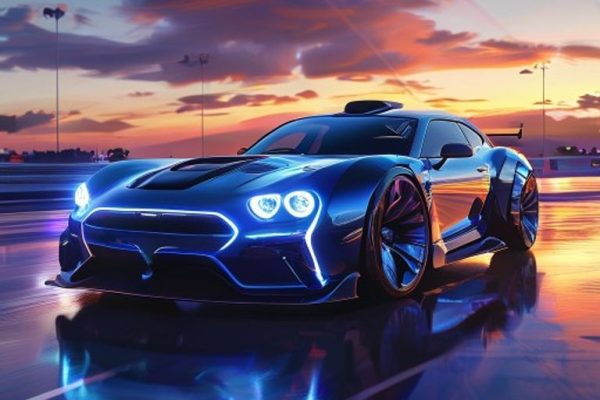
The intersection of automotive design and fine art has long captivated enthusiasts and critics alike, giving rise to the fascinating category known as the ‘art car.’ These aren’t merely vehicles; they are canvases on wheels, transforming functional machinery into expressions of personal vision, cultural commentary, or pure aesthetic joy. The concept of an artist dedicating their skill to a car, imbuing it with unique patterns, narratives, or subversive messages, speaks to a desire to transcend traditional boundaries and bring art into unexpected, dynamic spaces. Such creations challenge our perceptions of what art can be, forcing us to consider everyday objects through a new, artistic lens.
While the specific details of every art car’s origin story may differ, the underlying motivation often remains consistent: to make a statement. From professional commissions to independent passion projects, artists choose cars for their inherent beauty, their status as cultural icons, or simply their expansive surface area. The car becomes a moving sculpture, engaging with its environment and audience in a way a static piece never could. This vibrant subgenre of art history includes well-known examples, such as the BMW Art Car series, which has seen celebrated artists like Alexander Calder, Roy Lichtenstein, and Jeff Koons transform high-performance vehicles into iconic masterpieces, showcasing the immense potential when automotive design is reinterpreted by artistic genius.
The Artist’s Connection: Why Reacquire a Masterpiece?
Imagine the profound connection an artist holds with their original creations. Every brushstroke, every design choice, every hour invested represents a piece of their soul and intellect. For many artists, a significant work from their past is more than just an object; it’s a milestone, a testament to a particular phase of their career, or even a personal breakthrough. The hypothetical scenario of an artist reacquiring a unique art car they painted decades earlier resonates deeply within the art world, reflecting a universal desire among creators to revisit, control, and ultimately shape the legacy of their most impactful works. This act of reacquisition isn’t merely a financial transaction; it’s often a deeply personal and artistic reclamation.
There are numerous compelling reasons why an artist might seek to bring an important piece of their history back into their possession:
- Preservation and Conservation: An artist might feel a strong imperative to ensure the long-term preservation of their work. They may have concerns about its current condition, storage, or display, believing they are best equipped to oversee its care.
- Historical Context and Documentation: Reacquiring a piece allows the artist to recontextualize it within their complete oeuvre, potentially providing insights into their artistic evolution or the specific cultural moment in which it was created. They can ensure its provenance and historical significance are accurately documented.
- Artistic Control and Narrative: An artist may wish to regain control over how their work is presented and interpreted. This includes shaping its narrative, ensuring it aligns with their original intent, and preventing misrepresentation.
- Sentimental Value: Beyond its artistic merit, an art car might hold immense personal and sentimental value for the creator, perhaps marking a pivotal moment in their career or a profound personal experience.
- Legacy Building: For many artists, reacquiring a significant work is a strategic move towards building or solidifying their legacy, particularly if they envision a specific future for the piece.
The Ambitious Goal: Placing an Art Car in a Museum
The aspiration to see an art car – or any significant work of art – enshrined within the hallowed halls of a museum is a pinnacle of validation for any artist. Museums serve as guardians of cultural heritage, preserving artifacts and artworks for future generations while making them accessible to the public. For an artist who has poured their heart into transforming a vehicle into a work of art, the museum destination represents the ultimate recognition of its artistic merit, elevating it beyond a mere automobile to a bona fide piece of cultural history. This journey, however, is often fraught with complexities and significant hurdles.
Acquiring a piece for a museum collection involves a rigorous process, especially for unconventional artworks like art cars:
- Curatorial Review: Museum curators meticulously evaluate a potential acquisition based on its artistic significance, historical context, originality, and relevance to the museum’s existing collection and mission.
- Conservation Challenges: An art car presents unique conservation challenges. It combines diverse materials (metal, paint, textiles, plastics) that degrade differently. Museums must assess the cost and feasibility of preserving both the artistic surface and the underlying automotive structure.
- Space and Display Requirements: Cars are large objects. Museums need ample space for display, storage, and movement, which is often at a premium. Special display conditions, such as climate control and security, must also be considered.
- Artist’s Standing and Provenance: The artist’s reputation, their body of work, and the car’s complete ownership history (provenance) are critical factors. A clear, well-documented history enhances the artwork’s value and authenticity.
- Funding and Acquisition Strategy: Acquisitions can be costly, involving not just the purchase price but also transportation, insurance, and initial conservation. Museums often rely on donations, grants, or dedicated acquisition funds.
The pursuit of museum placement underscores the evolving definition of art in the 21st century. As artists continue to push boundaries and explore new mediums, institutions must adapt their acquisition policies and exhibition strategies to accommodate these innovative forms. An art car in a museum does more than just showcase a painted vehicle; it sparks conversations about industrial design, craftsmanship, popular culture, and the enduring power of human creativity. It challenges visitors to ponder the relationship between function and form, utility and beauty, and the unexpected places where art can thrive.
The Enduring Legacy of Art and Machine
Ultimately, the story of an artist creating, reacquiring, and striving to preserve an art car in a museum is a testament to the profound and often complex relationship between creators and their creations. It highlights the dedication required not only to conceive and execute a unique vision but also to protect its integrity and ensure its longevity. Such a narrative transcends the mere ownership of a vehicle; it speaks to the larger themes of artistic legacy, cultural preservation, and the continuous redefinition of what constitutes art.
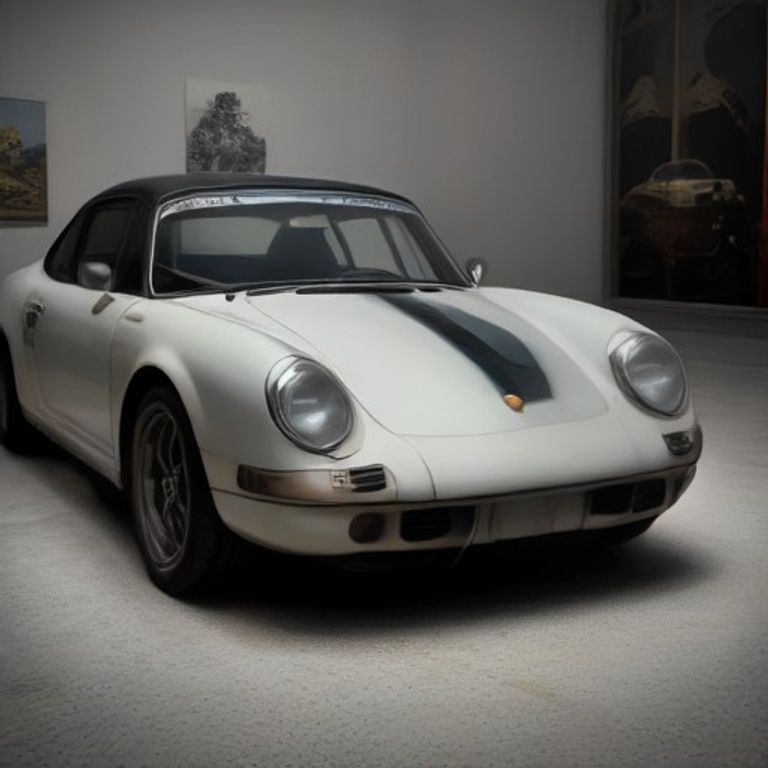
Whether it’s a Porsche, a vintage sedan, or a modern supercar, an art car that achieves museum status secures its place as a significant cultural artifact. It becomes a permanent fixture in the dialogue surrounding art history, automotive design, and the boundless potential of human imagination. For the artist, it fulfills a dream of immortality for their work, ensuring that their unique contribution continues to inspire, provoke, and educate generations to come.
Source : https://www.caranddriver.com/news/a73379338/1967-porsche-911s-art-car-dr-yes-bring-a-trailer/