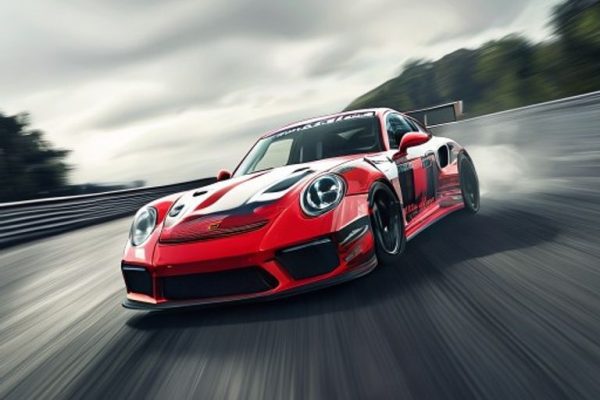
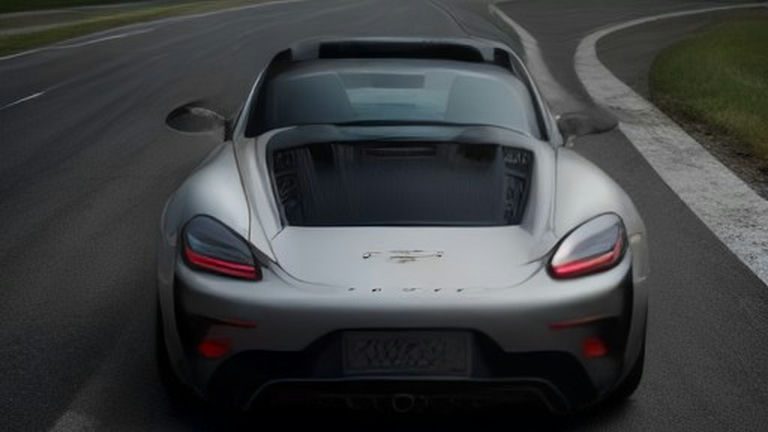
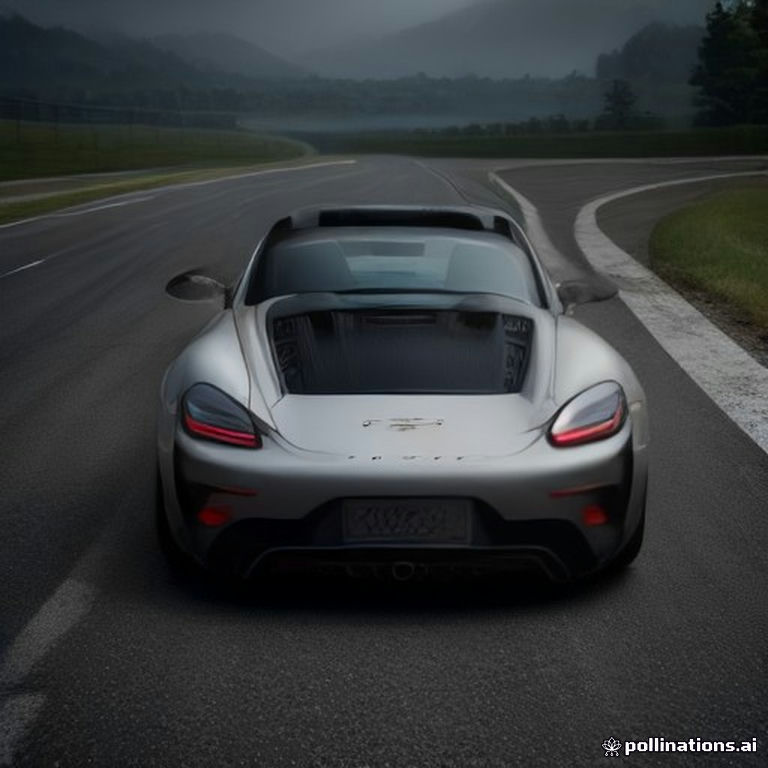
Anticipation is building around the upcoming electric iteration of Porsche’s iconic roadster, and early reports from prototype testing suggest that the 2028 Porsche 718 Boxster EV is poised to deliver a driving experience that remains faithful to its combustion-engined predecessors. A standout observation from those who have had early access to the prototype is its distinctive handling characteristic: the car reportedly “wags its tail like a mid-engine sports car.” This evocative description points to a carefully engineered chassis and, more specifically, a crucial element of its design: a rear-biased weight distribution.
This particular weight balance is identified as unusual for an electric vehicle, and it is precisely this engineering choice that is credited with making the Boxster EV prototype handle in a manner that aligns with traditional sports car expectations. As the automotive world transitions towards electrification, the challenge for manufacturers of high-performance vehicles lies not just in matching or exceeding power figures, but in replicating the visceral, communicative driving feel that enthusiasts cherish. Porsche, it appears, is tackling this head-on with a strategy that prioritizes dynamic purity.
The Significance of Rear-Biased Weight Distribution in an EV
In the realm of sports cars, weight distribution is paramount. A mid-engine layout, characteristic of many high-performance vehicles, often yields a rear-biased or close-to-mid balance, which is highly desirable for agile handling, excellent turn-in, and the ability to rotate the car under throttle. The original Boxster, with its flat-six engine positioned just ahead of the rear axle, epitomized this philosophy. The revelation that the 2028 Boxster EV prototype achieves a similar rear-biased distribution is noteworthy, especially given the inherent packaging challenges of electric powertrains.
Most electric vehicles tend to have their heavy battery packs spread out across the floor, often resulting in a low center of gravity but a more neutral, or even slightly front-biased, weight distribution. While a low center of gravity is universally beneficial for stability, achieving a specific front-to-rear balance, particularly a rear-biased one, in an EV requires considerable engineering ingenuity. It suggests Porsche has designed the battery pack and electric motors not just for power and range, but with a specific dynamic goal in mind, likely positioning a significant portion of the battery mass or the primary motor(s) towards the rear axle.
Translating Weight Balance into Dynamic Performance
The reported handling characteristics – specifically, the ability to “wag its tail” – are a direct consequence of this carefully calibrated weight distribution. This isn’t about uncontrollable oversteer, but rather about a controllable, interactive chassis that responds intuitively to driver inputs. For a sports car enthusiast, this means a car that feels alive and connected to the road. The benefits of a rear-biased setup manifest in several ways:
- Enhanced Traction Under Acceleration: As power is applied, weight naturally transfers to the rear wheels, which are already carrying a greater static load. This provides superior grip for launching and accelerating out of corners, a crucial aspect for a high-performance vehicle.
- Improved Turn-In and Agility: With less weight over the front axle relative to the rear, the car can feel lighter and more eager to change direction, contributing to sharp and immediate steering responses.
- Communicative Chassis: A car that can be felt rotating around its center provides invaluable feedback to the driver, allowing for precise control and adjustments through a corner. This feedback loop is what makes driving truly engaging.
- Controllable Oversteer: The “tail-wagging” implies a degree of throttle adjustability and the capacity for playful, manageable oversteer when pushed. This allows skilled drivers to use the throttle to help steer the car, enhancing agility and driver satisfaction.
- Authentic Sports Car Feel: Collectively, these characteristics contribute to a driving sensation that mirrors the best of traditional mid-engine sports cars, prioritizing driver involvement over mere brute force or clinical efficiency.
Preserving the Boxster DNA in an Electric Future
The commitment to such a specific weight distribution underscores Porsche’s dedication to preserving the Boxster’s core identity as a driver’s car, even as it transitions to an all-electric platform. The Boxster has always been celebrated for its balance, its agility, and the pure joy it delivers behind the wheel. Simply electrifying the powertrain without addressing the fundamental dynamics would risk alienating its loyal fanbase and diluting the brand’s ethos.
By engineering a rear-biased weight distribution in the 2028 718 Boxster EV prototype, Porsche is sending a clear message: the future of electric sports cars can, and should, retain the engaging and dynamic qualities that define their gasoline-powered predecessors. This approach goes beyond raw acceleration figures, focusing on the nuanced art of vehicle dynamics that truly separates a great sports car from a merely fast one. It’s about ensuring that the driver feels truly connected to the machine, able to exploit its capabilities with confidence and pleasure.
A Glimpse into the Future of Electric Performance
The early insights into the 2028 Porsche 718 Boxster EV prototype suggest a promising direction for electric sports cars. It highlights that electrification doesn’t have to mean a departure from traditional sports car attributes; rather, it presents new opportunities for engineers to innovate and redefine what’s possible. Porsche’s ability to imbue its electric roadster with dynamic characteristics usually associated with mid-engine combustion cars is a testament to its engineering prowess and unwavering focus on the driving experience.
As the Boxster EV moves closer to production, enthusiasts will undoubtedly be scrutinizing every detail, but the early reports on its handling dynamics provide a strong indication that Porsche is on track to deliver an electric sports car that lives up to the legendary 718 nameplate. The future of open-top, engaging driving, it seems, is not only electric but also reassuringly familiar in its thrilling dynamics.
Source : https://www.caranddriver.com/reviews/a74493752/2028-porsche-718-boxster-ev-prototype-drive/