
The Hybrid Horizon: Widespread Adoption Anticipated in the U.S. Auto Market by 2027
The automotive landscape is undergoing a profound transformation, with hybrid vehicles at the forefront of this evolution. Hybrid car sales in the U.S. have reached unprecedented highs, signaling a definitive shift in consumer preferences and industry direction. This surge in demand is not merely a fleeting trend but a robust indicator of the hybrid powertrain’s growing appeal, paving the way for an automotive future where these efficient machines are expected to be offered by virtually every major brand operating in the U.S. market by 2027. The increasing viability and diversity of hybrid models mean that consumers can anticipate an expansive array of choices across nearly all vehicle segments, from practical SUVs and sophisticated sedans to versatile vans and even exhilarating sports cars.
The Current Momentum: A Hybrid Sales Boom
The remarkable ascent of hybrid vehicle sales is a testament to their compelling value proposition. Drivers are increasingly seeking solutions that balance fuel efficiency, reduced environmental impact, and uncompromised performance. Modern hybrids deliver on all these fronts, offering significantly better MPG ratings than their conventional gasoline counterparts, lower tailpipe emissions, and often, a surprising boost in low-end torque. This combination has resonated strongly with a broad spectrum of buyers, making hybrids an attractive middle-ground solution for those not yet ready for a full battery-electric vehicle (BEV) but eager to embrace electrification.
Manufacturers have responded with vigor, introducing a steady stream of new hybrid models and refining existing ones. This competitive environment fosters innovation, leading to more sophisticated hybrid systems that seamlessly integrate electric motors with internal combustion engines, providing a smooth and efficient driving experience. The market is currently brimming with choices, and this variety is only set to expand as the industry gears up for a more electrified future.
Driving Towards 2027: Industry Projections and Commitments
The projection that nearly every brand will offer hybrid vehicles in the U.S. by 2027 is rooted in several key factors. Industry analysts point to ambitious electrification targets set by global automakers, increasing regulatory pressures for fuel economy and emissions standards (such as CAFE standards and EPA regulations), and the sustained consumer demand for more efficient vehicles. Many major players have already announced significant investments in hybrid technology as a critical component of their broader electrification strategies.
For many carmakers, hybrids represent a crucial stepping stone in the transition from gasoline-powered vehicles to an all-electric future. They allow consumers to gradually adapt to electrified powertrains, build confidence in new technologies, and enjoy immediate benefits without the need for extensive charging infrastructure development or concerns about range anxiety. This strategic positioning makes hybrids an indispensable part of product portfolios for the foreseeable future, ensuring widespread adoption across manufacturing lines.
An Unprecedented Array of Choices Across All Segments
One of the most exciting aspects of the hybrid revolution is the sheer breadth of vehicle types now embracing this technology. The days when hybrids were synonymous with a handful of compact sedans are long gone. By 2027, the landscape is anticipated to offer an unparalleled selection:
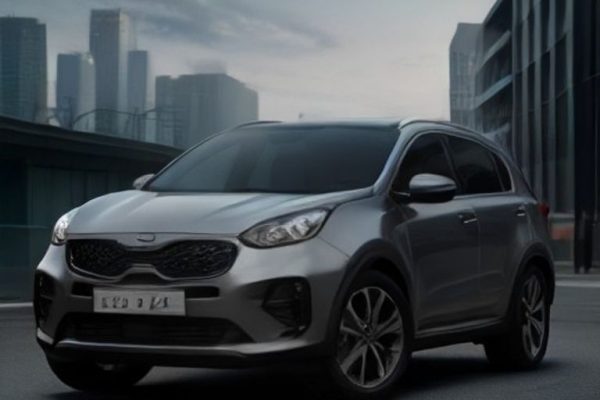
- SUVs: Dominating the market, hybrid SUVs offer the practicality, space, and all-weather capability consumers demand, coupled with impressive fuel economy. From compact crossovers like the Toyota RAV4 Hybrid and Honda CR-V Hybrid to larger family haulers such as the Kia Sorento Hybrid and Ford Explorer Hybrid, options are abundant and growing.
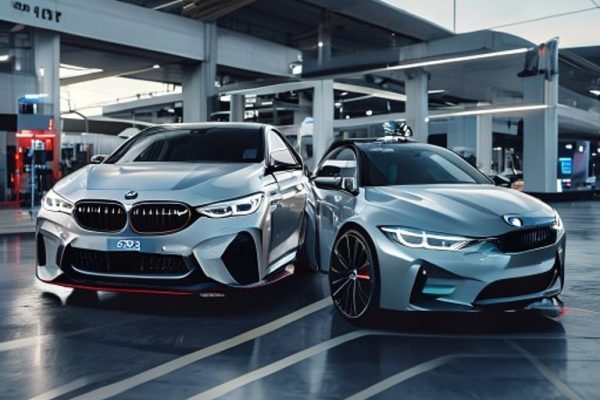
- Sedans: The traditional bastion of hybrid technology continues to thrive. Iconic models like the Toyota Camry Hybrid and Honda Accord Hybrid remain popular, joined by compelling new entries from Hyundai, Kia, and more, offering efficient and comfortable daily drivers.
- Vans and Minivans: For families requiring maximum space and versatility, hybrid minivans like the Chrysler Pacifica Hybrid and Toyota Sienna Hybrid provide excellent fuel efficiency without sacrificing cargo capacity or passenger comfort. The segment, though smaller, is vital for specific consumer needs.
- Pickup Trucks: Even the robust pickup truck segment is embracing hybrid powertrains. Models like the Ford F-150 PowerBoost Hybrid demonstrate how hybridization can enhance capability, offering impressive torque and integrated generators for worksite power, all while improving efficiency.
- Sports Cars and Performance Vehicles: The integration of electric motors is no longer just about efficiency; it’s also about enhancing performance. Supercars and luxury sports cars from brands like Porsche and McLaren already incorporate hybrid tech for instant torque and increased horsepower. Mainstream performance vehicles, such as the Chevrolet Corvette E-Ray, are proving that hybrid powertrains can deliver breathtaking acceleration and a thrilling driving experience, setting a precedent for more widespread adoption in this exciting segment.
The Road Ahead: Empowering Consumers with Sustainable Choices
The anticipated widespread availability of hybrid vehicles by 2027 signifies a significant win for consumers and the environment alike. For buyers, it means more options than ever before, allowing them to choose a vehicle that perfectly fits their lifestyle, budget, and driving needs, all while benefiting from improved fuel economy and reduced emissions. For the planet, it represents a substantial step towards decarbonizing the transportation sector, even as the journey towards a fully electric future continues.
As technology advances and manufacturing scales, hybrids are expected to become even more efficient, more affordable, and more integrated into the diverse fabric of the U.S. auto market. This expanding horizon of choices underscores a future where sustainable driving is not a niche option but a readily accessible standard across every showroom.
Source : https://www.caranddriver.com/features/a74493584/hybrid-car-brands/