

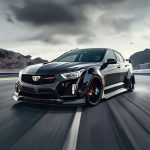
Hyundai has announced a significant strategic realignment for its electric vehicle offerings in the U.S. market, confirming the discontinuation of less powerful versions of the Ioniq 6 electric sedan. This decision marks a notable shift, as the standard Ioniq 6 models will no longer be available. However, in a move that underscores Hyundai’s commitment to performance and enthusiast appeal, the highly anticipated Ioniq 6 N sports sedan is still slated to make its way to American shores, serving as a powerful statement for the brand’s high-performance electric future.
A Strategic Shift in Hyundai’s EV Lineup
This development signifies a clear re-evaluation of Hyundai’s electric vehicle portfolio, particularly concerning market demand and segment profitability. The elimination of the less powerful Ioniq 6 variants suggests a focus on optimizing production and sales efforts toward models that either command higher margins or align more closely with evolving consumer preferences in the rapidly changing EV landscape. Such strategic adjustments are not uncommon in an industry grappling with the complexities of new technologies, supply chain challenges, and fluctuating buyer interests.
The decision to streamline the Ioniq 6 lineup, by removing its more accessible configurations, could also reflect Hyundai’s intent to concentrate resources on its most distinctive and potentially profitable offerings. It might indicate that the sales performance of the standard Ioniq 6 in the U.S. did not meet internal expectations, prompting a pivot towards a more specialized approach. This move could free up manufacturing capacity and marketing budget to bolster other successful EV models within the Hyundai and Genesis brands.
Decoding the Discontinuation of Regular Ioniq 6 Models
The phasing out of the regular Ioniq 6 models from Hyundai’s U.S. EV lineup prompts questions about the broader market for electric sedans, especially those positioned below the high-performance tier. While SUVs and crossovers continue to dominate new vehicle sales across all powertrain types, the electric sedan segment faces unique pressures. Factors such as consumer preference for larger, more versatile vehicles, combined with the premium pricing often associated with new EV technology, can make it challenging for standard sedan offerings to carve out a substantial market share.
Hyundai’s strategic choice might also be influenced by the competitive intensity within the electric sedan category. With numerous manufacturers introducing compelling electric sedans, standing out without a clear performance or luxury differentiator can be arduous. By removing the less powerful versions, Hyundai could be acknowledging a need to refine its market approach, perhaps focusing on niches where its products can truly excel and offer a unique value proposition, or where the brand can leverage its existing performance heritage.
The Ioniq 6 N: Hyundai’s Performance EV Flagship Endures
In stark contrast to the fate of its standard counterparts, the Hyundai Ioniq 6 N sports sedan continues its journey toward production and its U.S. debut. This model is poised to become a vital halo car for the Hyundai N sub-brand, showcasing the pinnacle of Hyundai’s electric performance engineering. The N division has built a formidable reputation for delivering thrilling driving dynamics, powerful powertrains, and track-ready capabilities, and the Ioniq 6 N is expected to extend this legacy into the electric era.
The persistence of the Ioniq 6 N underscores Hyundai’s commitment to performance electrification and its strategy to attract a dedicated segment of driving enthusiasts. As an N model, it will undoubtedly feature a range of performance enhancements that differentiate it significantly from the discontinued standard models. These will typically include:
- Substantially enhanced power output and torque delivery.
- Aggressive sport-tuned suspension and chassis for superior handling.
- High-performance braking systems designed for demanding use.
- Unique aerodynamic bodywork and styling cues.
- Specialized interior elements geared towards a performance driving experience.
These characteristics are fundamental to the N brand identity and will likely position the Ioniq 6 N as a compelling alternative in the burgeoning performance EV segment, signaling Hyundai’s intent to compete at the highest levels of electric vehicle technology and driver engagement.
Hyundai’s Evolving Electric Vehicle Strategy
This dual announcement — the discontinuation of one and the confirmation of the other — provides a window into Hyundai’s evolving overarching strategy for electric vehicles. It suggests a pragmatic approach to market adaptation, where success in the EV space may increasingly hinge on differentiation, whether through performance, luxury, or specialized utility. Rather than attempting to compete across every segment with every variant, Hyundai appears to be refining its focus to leverage its strengths and appeal to specific, perhaps more affluent or enthusiast-driven, customer bases.
The emphasis on the Ioniq 6 N also reinforces the notion that electric performance cars are not merely novelties but a crucial part of future brand building and technological demonstration. Such vehicles not only attract discerning buyers but also serve as powerful marketing tools, enhancing the brand’s image and demonstrating its engineering prowess across its entire lineup. This strategic recalibration ensures Hyundai remains competitive and relevant in a dynamic automotive future.
In conclusion, Hyundai’s decision to discontinue the regular Ioniq 6 models while confirming the arrival of the high-performance Ioniq 6 N marks a pivotal moment for its U.S. EV strategy. It highlights a tactical shift towards more specialized and performance-oriented electric offerings, potentially reflecting broader market trends and a focus on maximizing impact in key segments. For consumers, this means a more streamlined, albeit performance-focused, choice within the Ioniq 6 family, underscoring Hyundai’s commitment to an electrified, exhilarating future.
Source : https://www.caranddriver.com/news/a70610645/regular-hyundai-ioniq-6-dead-n-model-lives/