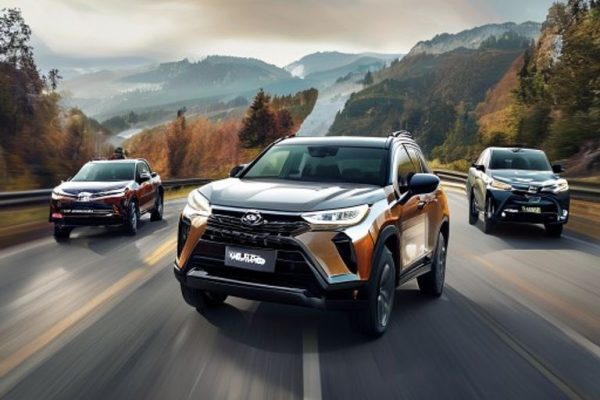
For many, the image of an off-road vehicle is synonymous with a seven-slot grille and the Jeep badge. While the Jeep Wrangler has undeniably carved out an iconic niche in the adventure vehicle segment, its dominance doesn’t mean it’s the only game in town. The automotive market is rich with highly capable, rugged, and sometimes luxurious alternatives that offer unique approaches to tackling unpaved paths and challenging terrain. As the appetite for adventure grows, so too does the variety of vehicles designed to deliver it, proving that off-roading is far from a single-brand experience.
The Enduring Appeal of Off-Road SUVs
The allure of an off-road SUV extends beyond mere aesthetics; it speaks to a desire for freedom, exploration, and the capability to venture where conventional vehicles cannot. Whether for weekend trail runs, overlanding expeditions, or simply the peace of mind that comes with robust four-wheel-drive (4WD) systems and ample ground clearance, these vehicles fulfill a distinct set of needs. Modern off-road SUVs often blend traditional ruggedness with contemporary technology, safety features, and comfort, making them more versatile than ever before. This evolving landscape means consumers have more choices to match their specific adventure profiles.
Why Look Beyond the Seven-Slot Grille?
While the Wrangler boasts unparalleled aftermarket support and a dedicated enthusiast community, potential buyers might seek alternatives for various reasons. These could include a preference for different styling, a desire for enhanced on-road comfort during daily commutes, greater cargo capacity, unique technological offerings, or perhaps a more refined interior. Some might prioritize long-term reliability and lower maintenance costs, while others might be looking for a specific blend of luxury and capability not typically found in the Wrangler’s segment. Exploring alternatives opens up a world of possibilities, each with its own character and strengths designed to cater to a broader spectrum of off-road enthusiasts.
Rugged and Ready: Body-on-Frame Challengers
Directly challenging the Wrangler’s traditional body-on-frame, go-anywhere philosophy are several formidable contenders known for their robust construction and proven off-road prowess. These vehicles often boast a heritage of capability and are built to withstand the rigors of challenging terrain.
- Ford Bronco: Reintroduced with significant fanfare, the Bronco is a direct rival to the Wrangler. It offers a range of powerful engine options, sophisticated four-wheel-drive systems, and multiple body styles, including two-door and four-door variants. Designed for serious off-road capability, it features modern removable doors and roof panels, advanced terrain management systems, and a strong aftermarket presence that continues to grow.
- Toyota 4Runner: Renowned for its legendary reliability and durable body-on-frame construction, the 4Runner has earned a reputation as a workhorse in the off-road community. It features proven 4WD systems, ample ground clearance, and a track record for tackling challenging trails with minimal fuss. Models like the TRD Pro offer enhanced suspension, underbody protection, and specialized tires for even greater capability.
- Lexus GX / Toyota Land Cruiser Prado (global market): While often associated with luxury, the Lexus GX (and its global counterpart, the Toyota Land Cruiser Prado) is built on a highly capable, rugged platform. It offers impressive off-road capabilities thanks to its full-time 4WD system, available locking differentials, and robust suspension. It combines genuine off-road performance with a more refined interior, superior on-road manners, and Toyota’s hallmark reliability.
Luxury and Capability: Premium Off-Roaders
For those who demand uncompromising off-road capability fused with upscale comfort, cutting-edge technology, and distinctive styling, a select group of premium SUVs stands ready to deliver. These vehicles demonstrate that true ruggedness doesn’t have to come at the expense of luxury.
- Land Rover Defender: The modern Defender blends its iconic, utilitarian heritage with advanced technology and refined luxury. Available with various potent powertrains and sophisticated terrain response systems, it offers a versatile package that is equally at home on city streets as it is on treacherous trails. Its unique architecture provides excellent ground clearance and impressive approach/departure angles.
- Mercedes-Benz G-Class: With roots tracing back to military vehicles, the G-Class has evolved into a symbol of uncompromising luxury and extreme off-road capability. Its distinctive boxy design, three locking differentials, and robust construction make it one of the most capable production vehicles off-road, while its opulent interior and powerful engines ensure a commanding presence everywhere else.
The « Adventure-Ready » Category: Blending Utility and Daily Drive
Not every off-road excursion involves rock crawling or deep mud. Many adventurers seek vehicles that can comfortably handle daily driving duties while still being capable enough for moderate trails, remote camping, or simply navigating adverse weather conditions. This category offers a compelling blend of utility and on-road civility with enhanced off-road features.
- Subaru Outback Wilderness / Forester Wilderness: Subaru’s Wilderness trim levels enhance the brand’s already capable all-wheel-drive vehicles with increased ground clearance, more aggressive tires, revised gearing, and rugged styling cues. While not designed for extreme rock crawling, they provide excellent capability for forest roads, snowy conditions, and light to moderate trails, making them ideal for overlanding and soft-roading enthusiasts seeking comfort and fuel efficiency.
- Full-Size SUVs with Off-Road Trims (e.g., Chevrolet Tahoe Z71, Toyota Sequoia TRD Pro): These larger SUVs, often based on truck platforms, offer significant passenger and cargo space alongside substantial towing capabilities. When equipped with dedicated off-road packages (like the Z71 or TRD Pro), they gain features such as skid plates, off-road suspension, more robust tires, and enhanced 4WD systems, allowing them to confidently tackle a wider range of terrain than their standard counterparts.
Key Considerations When Choosing Your Off-Roader
With such a diverse market, selecting the right off-road SUV requires careful consideration of individual needs and priorities. Beyond brand loyalty, several factors should guide your decision-making process:
- Intended Use: Define what kind of off-roading you plan to do most often—are you seeking extreme rock crawling, multi-day overlanding, casual trail driving, or simply a reliable vehicle for snowy roads and mild exploration?
- Budget: Consider not just the purchase price, but also potential modification costs, fuel efficiency, insurance, and long-term maintenance.
- On-Road Comfort and Practicality: How important is daily drivability, interior refinement, cargo space, and passenger comfort for your lifestyle?
- Aftermarket Support and Modifiability: If customization is a priority, research the availability of parts, accessories, and a supportive community for your chosen vehicle.
- Reliability and Durability: Investigate the vehicle’s reputation for long-term reliability and its ability to withstand demanding conditions without frequent repairs.
- Technology and Safety Features: Modern SUVs offer a suite of advanced driver-assistance systems and infotainment features that can enhance both safety and the overall driving experience.
In conclusion, while the Jeep Wrangler holds a special place in the hearts of many off-road enthusiasts, the market has evolved to offer a compelling array of alternatives. From rugged body-on-frame warriors to luxurious adventure machines and capable daily drivers, there’s an off-road SUV designed for nearly every type of explorer. By looking beyond the familiar, buyers can discover a vehicle that perfectly aligns with their unique blend of adventure aspirations and practical requirements.