

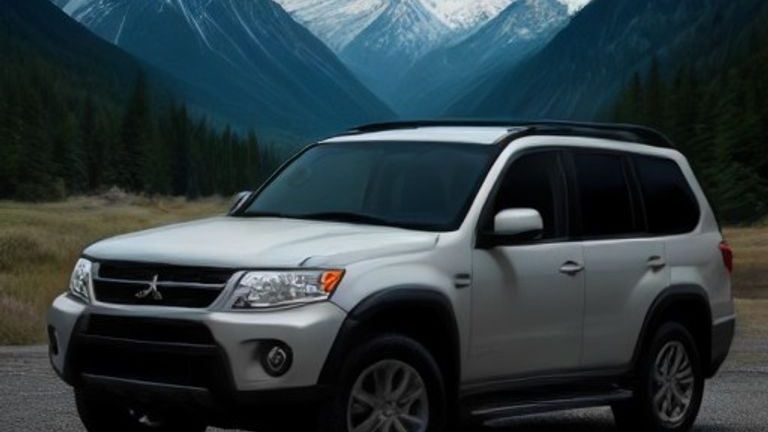
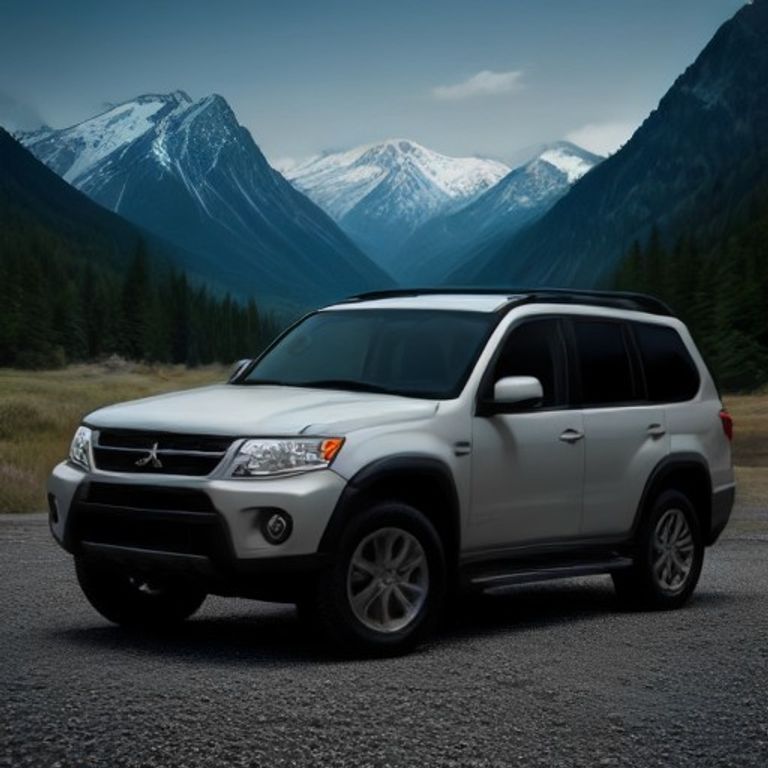
The automotive world is constantly abuzz with speculation, especially when an iconic nameplate from overseas hints at future developments. For Mitsubishi enthusiasts in the United States, recent news regarding the new Mitsubishi Pajero’s Australian pricing has reignited a familiar hypothetical question: What might such a vehicle cost if it were to make a triumphant return to American showrooms? While direct confirmation remains elusive, the clues from « Down Under » offer a fascinating, albeit complex, basis for discussion on a potential U.S. market re-entry for a vehicle with a rich legacy.
A Legacy Remembered: The Montero’s Footprint
In the United States, the capable SUV known globally as the Pajero was marketed as the Mitsubishi Montero. Introduced in the early 1980s, the Montero quickly carved out a niche as a formidable contender in the burgeoning SUV segment. It earned a reputation for rugged off-road prowess, combining robust body-on-frame construction with respectable on-road manners. The Montero navigated everything from challenging trails to daily commutes, fostering a loyal following throughout its various generations. However, the Montero nameplate exited the U.S. market in the mid-2000s, part of a broader strategic realignment for Mitsubishi and a rapidly evolving American automotive landscape. The enduring appeal of its capability, alongside the continued global success of its sibling, the Pajero, continues to fuel hopes for a modern successor to return to America.
Australia as a Mirror: Insights and Distortions
The automotive industry frequently looks to parallel markets for insights into future product strategies and pricing. Australia, with its developed economy, strong demand for SUVs, and a consumer base that values durable and capable vehicles, is often considered a relevant barometer for the U.S. market. There are indeed several reasons why Australian pricing might offer a preliminary glimpse into a potential U.S. Pajero’s cost:
- Shared Market Preferences: Both Australian and American consumers show a strong preference for versatile SUVs capable of handling diverse conditions, from urban commuting to challenging off-road excursions. This often leads to similar expectations regarding core features and robustness.
- Global Platforms: Modern vehicles are typically built on global platforms designed to meet a wide array of international standards. The fundamental engineering of a Pajero sold in Australia could thus share significant commonality with a hypothetical U.S. model, potentially offering some cost efficiencies.
- Brand Positioning: Mitsubishi’s brand identity in Australia, often emphasizing reliability, capability, and value in utility vehicles, conceptually aligns with its historical and potential positioning for a larger SUV in the U.S. market.
However, it is crucial to understand that using Australian pricing as a direct forecast for U.S. costs is a simplistic and often misleading exercise. The « clues » are never straightforward, and a multitude of factors drastically alter the final retail price between markets.
The Intricate Dance of Cross-Border Pricing
Translating an Australian vehicle price into a hypothetical U.S. dollar figure involves far more than a simple currency exchange. The intricate web of economic, regulatory, and market-specific considerations creates significant divergences:
- Taxes, Duties, and Tariffs: The U.S. imposes specific import duties on vehicles, distinct from Australian taxes (e.g., Luxury Car Tax). Varying state and local sales taxes in the U.S. add further complexity.
- Homologation and Compliance: Adapting a vehicle to meet rigorous U.S. Federal Motor Vehicle Safety Standards (FMVSS) and EPA emissions regulations is substantial. This requires unique engineering, testing, and component modifications that add significant per-unit cost, not reflected in another market’s pricing.
- Competitive Landscape: The U.S. SUV market is intensely competitive. Mitsubishi would need to strategically price a new Pajero/Montero against established rivals like the Toyota 4Runner, Ford Bronco, and Jeep Grand Cherokee, necessitating different strategies than those in less competitive markets.
- Logistics and Distribution: Shipping vehicles across oceans, port handling, and establishing a robust distribution network across the vast U.S. landmass involve substantial, distinct logistical costs compared to Australia.
- Standard Features and Trim Levels: What constitutes a « base model » or « fully loaded » variant can differ dramatically between markets due to local demand, regulations, or competitive positioning, directly impacting the sticker price.
- Currency Fluctuations: While a conversion rate offers a snapshot, manufacturers utilize long-term currency hedges and economic forecasts, not just daily spot rates, when setting future model pricing.
- Brand Perception and Warranty: The cost of marketing, supporting a competitive warranty program, and maintaining an extensive dealer service network for the U.S. market are also critical factors influencing the final price point.
The Hypothetical U.S. Market Positioning
If a new Mitsubishi Pajero (or Montero) were to eventually reach the U.S., its pricing would be a complex calculation designed to fit a specific niche. Mitsubishi would balance its legacy of ruggedness and value with modern demands for technology, safety, and efficiency. It would likely target the mid-size, three-row SUV segment, potentially appealing to consumers seeking a robust, adventure-capable alternative to unibody crossovers, possibly undercutting premium body-on-frame rivals like the Toyota 4Runner or certain Jeep Grand Cherokee trims.
Conclusion: A Glimmer of Hope for Enthusiasts
While Australian pricing for the new Mitsubishi Pajero provides an interesting discussion point, it serves more as a theoretical benchmark than a direct forecast for U.S. costs. The journey from « Down Under » to American showrooms is paved with significant economic, regulatory, and market-specific hurdles. Nevertheless, for those who fondly remember the Montero’s prowess and wish for Mitsubishi to re-enter more capable SUV segments, any news about its global sibling, the Pajero, remains a welcome glimmer of hope, keeping the dream of a robust, new Mitsubishi SUV alive in the American consciousness.
Source : https://www.caranddriver.com/news/a73620937/2027-mitsubishi-pajero-australia-pricing/