
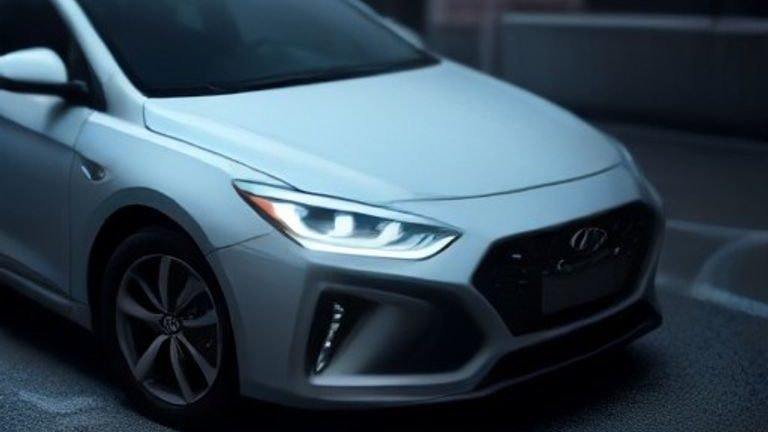
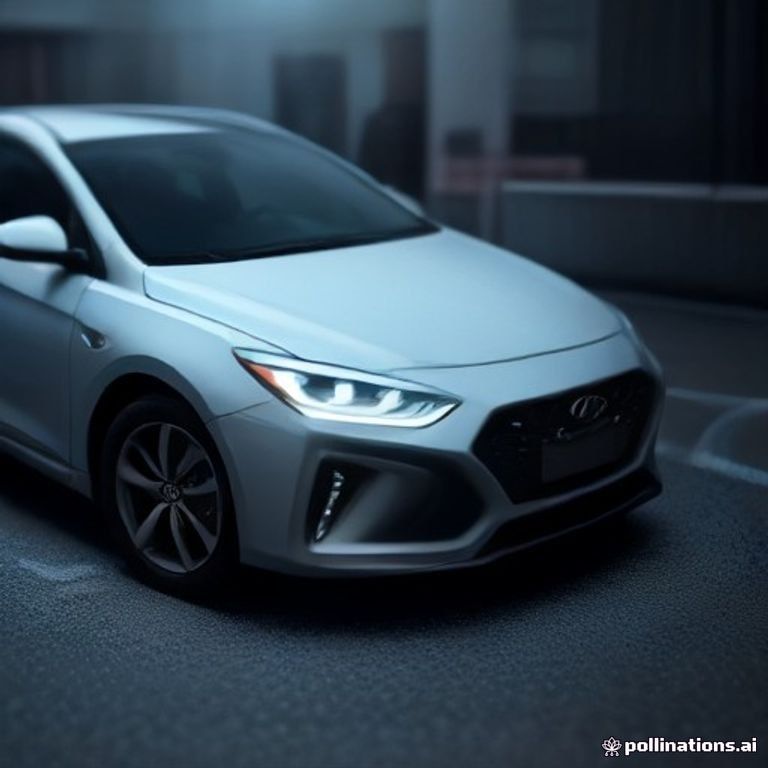
Hyundai Ioniq 5’s Evolution: A Deeper Look at the 2025 Battery Upgrade
The Hyundai Ioniq 5 quickly established itself as a benchmark in the competitive EV segment, celebrated for its striking design, innovative E-GMP platform, and rapid charging capabilities. It entered the market as an already impressive all-electric SUV, blending style, practicality, and performance. In the ongoing pursuit of excellence, Hyundai has announced a significant update for the 2025 model year: the introduction of a larger battery pack. This pivotal enhancement directly addresses one of the primary concerns for many prospective EV buyers – driving range – and aims to further solidify the Ioniq 5’s position. The central question for enthusiasts and potential owners remains: does this bigger battery truly make an already appealing vehicle even better?
The Foundations of Ioniq 5’s Appeal
Before assessing the new battery, it’s essential to recognize the factors that made the Ioniq 5 so successful from the outset. Its retro-futuristic exterior, inspired by the Hyundai Pony, offered a distinctive presence in a growing sea of EVs. Inside, the spacious, minimalist cabin, featuring a flat floor and movable center console, provided an adaptable and comfortable environment. Technologically, the Ioniq 5’s 800-volt architecture was a significant differentiator, enabling ultra-fast DC charging speeds. Equipped with its previous 77.4 kWh battery pack, the long-range rear-wheel-drive model delivered an EPA-estimated range of 303 miles. While competitive at launch, the EV market’s rapid evolution meant there was always room to push boundaries further, particularly regarding range.
The 2025 Update: Implications of the 84 kWh Battery
For the 2025 model year, the Ioniq 5 will be equipped with an 84 kWh battery, a notable increase from the outgoing 77.4 kWh unit. This upgrade is a strategic move designed to enhance the vehicle’s core attributes. Evaluating such an enhancement involves considering its theoretical and practical implications across several key metrics:
- Extended Driving Range: The most significant benefit is the increased driving range. More stored energy directly translates to more miles on a single charge. While official EPA figures for the 2025 model are yet to be released, a proportional increase suggests a substantial improvement over the previous 303 miles. This extended range is crucial for mitigating range anxiety, making the Ioniq 5 more suitable for longer journeys and reducing the frequency of charging stops. Many drivers consider a range exceeding 320 miles a key threshold for convenience and peace of mind.
- Sustained Performance: While peak power is largely determined by motor specifications, a larger battery can better sustain peak performance, especially during prolonged demanding driving or repeated rapid accelerations. It also provides a greater energy reserve for auxiliary systems without significantly impacting overall range.
- Charging Efficiency: The Ioniq 5’s 800-volt architecture already provides impressive fast charging. With an 84 kWh battery, the total energy to replenish is higher. While peak charging rates (kW) might remain similar, the « charging curve »—how the battery accepts power throughout its cycle—could be optimized to efficiently absorb more energy. Although total time to reach 100% will be longer, the focus for users is typically the time to add a significant percentage (e.g., 10-80%). If the charging curve remains robust, the practical charging experience for a quick top-up should remain highly competitive.
Potential Considerations and Trade-offs
While the benefits are clear, engineering changes often introduce trade-offs that are critical to assess:
- Increased Vehicle Weight: A larger battery means more mass. This added weight, even if centrally integrated into the E-GMP platform, can subtly influence vehicle dynamics. Potential effects include a slight increase in energy consumption, minor alterations in handling, and possibly increased wear on tires and suspension components over time. Real-world driving analysis would be crucial to determine the perceptibility of these changes.
- Cost Implications: Larger battery packs typically incur higher manufacturing costs. Therefore, it is reasonable to expect that 2025 Ioniq 5 models featuring the 84 kWh battery might see a modest increase in pricing. This cost adjustment would be a key factor for consumers balancing enhanced range against initial expenditure.
What Real-World Evaluation Will Reveal
The theoretical advantages and potential considerations set the stage, but the true impact of the 2025 Ioniq 5’s larger battery will only be fully understood through comprehensive real-world evaluation. Automotive experts and independent testers will be keen to answer several pivotal questions:
- What practical range does the 84 kWh battery deliver under diverse driving conditions, including city, highway, and mixed routes?
- Does the increased weight noticeably affect the Ioniq 5’s renowned ride comfort and its characteristic agile handling?
- Are there any discernible changes in acceleration feel or overall driving dynamics?
- How does the updated charging curve perform in real-world fast-charging scenarios, particularly for the crucial 10-80% replenishment?
- What is the real-world energy efficiency (Wh/mile or kWh/100 miles) in comparison to the previous model?
Hyundai’s decision to upgrade the Ioniq 5 with a larger battery for 2025 underscores its commitment to staying competitive and meeting evolving consumer demands. On paper, this enhancement promises to make an already impressive EV SUV even more appealing by significantly extending its range capabilities. The ultimate determination of whether this bigger battery is truly « better » will depend on how these theoretical improvements translate into the tangible experience for drivers on the road. The anticipation is high to see if the 2025 Ioniq 5 continues to set benchmarks in the EV segment.
Source : https://www.caranddriver.com/news/a73721843/2026-hyundai-ioniq-5-upgraded-battery-tested/