

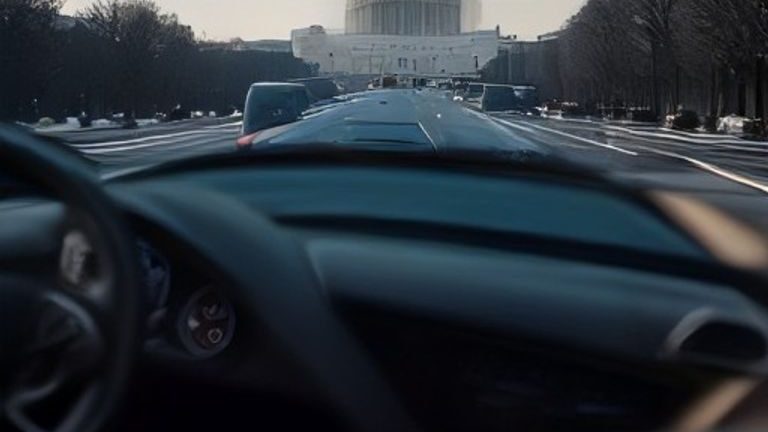

A legislative proposal aimed at mandating AM radio receivers in all new vehicles has successfully passed the U.S. House of Representatives. Known as the « AM Radio for Every Vehicle Act, » this bill now proceeds to the U.S. Senate for further consideration. This development marks a significant step, signaling a strong intent from lawmakers to preserve AM radio as a standard feature in automobiles. The House’s vote sets the stage for a critical debate in the Senate regarding this traditional broadcast medium amidst rapid automotive advancements.
The Enduring Importance of AM Radio
The primary rationale for mandating AM radio in new cars stems from its crucial role in the national emergency alert system. For decades, AM radio has been a reliable channel for disseminating vital information during crises like natural disasters, severe weather, and widespread emergencies. Its broad reach and operational resilience mean it often functions when other communication methods, such as cellular networks or the internet, are compromised or unavailable. This capability is paramount for public safety, especially in remote or underserved areas. Beyond emergencies, AM radio offers an accessible, long-standing source of local news, talk, and community programming.
- Emergency Preparedness: AM stations are vital for the Emergency Alert System (EAS), delivering updates during widespread disruptions.
- Broad Coverage: AM signals span vast areas, reaching communities with limited digital service access.
- Accessibility: Provides accessible information for diverse demographics, including rural residents or those without internet.
- Resilience: Operates independently of internet/cellular data, robust during power outages or network failures.
Automaker Challenges: Technical and Economic Realities
Despite the legislative push, automakers face specific challenges regarding AM radio integration. Some manufacturers have removed AM radio from new models, particularly electric vehicles (EVs). Main technical hurdle: electromagnetic interference (EMI). High-voltage systems and electric motors in EVs can generate EMI that disrupts AM radio signals, leading to static, poor reception. Mitigating this interference requires extensive shielding and redesign, increasing vehicle complexity, weight, and costs. Evolving consumer preferences also factor; with satellite radio, Bluetooth, and streaming, many drivers prefer digital audio. The perceived obsolescence of AM radio, coupled with technical difficulties and costs, has led some to question its necessity. If mandated, manufacturers would need to re-evaluate designs, incurring significant R&D expenses to integrate AM receivers across their entire product line, including growing EV fleets, while ensuring signal quality.
The Path Through the Senate and Beyond
With its House passage complete, the « AM Radio for Every Vehicle Act » now moves to the U.S. Senate. Here, the bill will undergo committee review, potentially including hearings and expert testimony. Amendments are possible. If it clears committee, it proceeds to a full Senate floor vote. The Senate’s legislative process can involve considerable debate, focusing on the bill’s necessity, economic impact on the auto industry, and its place in an evolving technological landscape. Should the Senate approve the bill, it could pass it as is or with modifications. If amended, it would return to the House for concurrence. Once both chambers pass identical versions, it is sent to the President, who can sign it into law, veto it, or allow it to become law without signature. A presidential veto can be overridden by a two-thirds vote in both chambers.
Implications for the Industry and Consumers
Should the « AM Radio for Every Vehicle Act » become law, it would have notable implications for consumers and the automotive industry. Consumers would be guaranteed AM radio access in all new vehicles, ensuring continued reception of emergency broadcasts and traditional programming. This could be particularly reassuring for those who rely on AM for local information or during emergencies. For the automotive sector, a mandate would necessitate adjustments in vehicle design and manufacturing. Automakers that have removed or planned to remove AM radio would be required to reintegrate the technology, incurring additional costs for research, development, and production. These expenses could, in turn, influence vehicle pricing. The mandate would challenge manufacturers to innovate in shielding and signal processing to deliver a high-quality AM radio experience, especially in EVs. This bill highlights a legislative priority to preserve universal access to traditional broadcast media.
Source : https://www.caranddriver.com/news/a73792988/am-radio-every-vehicle-act-passes-us-house/