
Toyota, Nissan, and Honda to Standardize Parts to Lower Costs
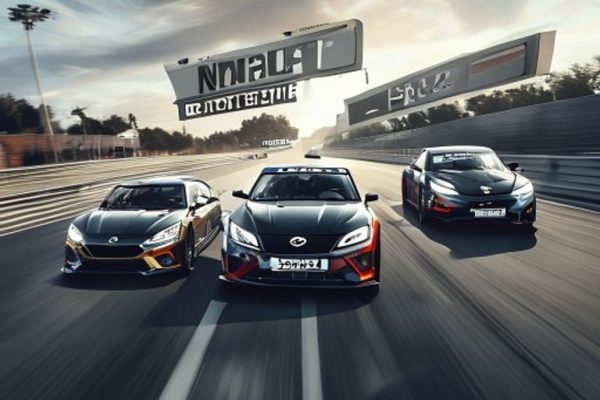
In a landmark strategic development, Japan’s leading automakers — Toyota Motor Corporation, Nissan Motor Co., Ltd., and Honda Motor Co., Ltd. — are reportedly embarking on an unprecedented collaborative initiative. Their primary objective: standardize various automotive parts and components across their respective brands. This ambitious undertaking aims to drastically lower production costs, thereby strengthening their collective competitiveness against the rapidly expanding and increasingly dominant Chinese automotive sector.
This cooperative endeavor marks a significant departure from decades of intense rivalry. Historically, each company prided itself on proprietary engineering and unique component development. However, escalating global competition, monumental investments for new technologies like electric vehicles (EVs) and autonomous driving, and the formidable rise of low-cost, high-volume manufacturers from China necessitate a fundamental reevaluation. This proposed standardization is a direct response, forging a united front in a highly competitive market.
The Imperative for Cost Reduction and Efficiency
The core motivation behind this strategy is the urgent need for significant cost efficiencies. By standardizing components, the Japanese automakers aim to unlock substantial savings across multiple facets of their operations:
- Economies of Scale: Consolidating orders for common parts across three manufacturers will lead to massive bulk purchasing discounts, significantly reducing unit costs.
- Reduced R&D Duplication: Sharing development burdens for non-differentiating parts — such as chassis components, basic infotainment modules, or electrical architectures — will cut redundant R&D expenditures.
- Streamlined Supply Chains: Fewer unique parts mean simpler logistics, reduced inventory complexity, and more efficient warehousing, leading to faster lead times and a more robust supply chain.
- Manufacturing Efficiencies: Common parts can simplify assembly line processes, potentially requiring less specialized tooling and training, optimizing overall production.
These collective efficiencies are paramount for fundamentally restructuring their cost base to ensure long-term sustainability and profitability.
Responding to China’s Automotive Powerhouse
The strategic imperative for this collaboration is inextricably linked to China’s rapid ascent as a global automotive powerhouse. Chinese automakers have transformed from domestic players into formidable international competitors, characterized by:
- Cost Advantage: Benefiting from lower labor costs, integrated domestic supply chains, and substantial government support, enabling highly competitive vehicle pricing.
- Rapid EV Innovation: China’s leadership in EV technology and production, with domestic brands aggressively rolling out affordable, technologically advanced EVs globally, directly threatens legacy automakers.
- Market Share Expansion: Aggressive global footprint expansion, challenging established players in emerging markets and making inroads into developed economies.
- Technological Prowess: At the forefront of integrating advanced digital technologies, connectivity, and intelligent driving systems, often at a faster pace.
For Toyota, Nissan, and Honda, this alliance represents a necessary defensive and potentially offensive strategy to maintain market relevance. It acknowledges that individual efforts may no longer be sufficient against the combined might and agility of the Chinese automotive industry.
Potential Scope and Hurdles of Standardization
While the full scope is yet to be detailed, the initiative is expected to focus initially on non-differentiating components – parts consumers do not typically consider as contributing to a vehicle’s brand identity. This could include:
- Common electrical system components and wiring harnesses.
- Shared fasteners, brackets, and interior structural elements.
- Standardized interfaces for infotainment systems and connectivity modules.
- Modular architectures for vehicle platforms, enabling different top-hat designs while sharing fundamental underpinnings.
- Joint development and procurement of next-generation battery components or safety sensors.
Implementing such wide-ranging collaboration is fraught with significant challenges, crucial for success:
- Maintaining Brand Differentiation: Standardizing parts without diluting unique brand identities, driving characteristics, and aesthetic appeals will be a key concern.
- Intellectual Property (IP) Sharing: Navigating complex agreements around patents and proprietary designs will require extensive negotiation.
- Harmonizing Engineering Cultures: Aligning diverse engineering philosophies and quality control standards will be a monumental task.
- Logistical Complexity: Coordinating operations across multiple global companies, each with established networks, facilities, and regional specificities, presents immense logistical challenges.
- Antitrust Concerns: The alliance must carefully navigate regulatory scrutiny to avoid stifling competition or leading to market dominance.
- Implementation Timeline: Such restructuring requires years to fully realize benefits, demanding sustained commitment.
Broader Implications for the Global Automotive Industry
Should this ambitious collaboration succeed, its implications could resonate far beyond Japan. It could set a precedent for similar cross-company alliances among other legacy automakers worldwide, grappling with pressures from new market entrants and high costs of technological transition. It also raises questions about the future balance between cost optimization and brand-specific innovation.
Ultimately, this strategic pivot by Toyota, Nissan, and Honda is a bold and necessary response to evolving market realities. It underscores that cooperation, even among traditional rivals, may be the most viable path to resilience and sustained competitiveness. The success of this alliance will not only redefine the future trajectory of these Japanese giants but also shape the competitive landscape of the entire global automotive industry, particularly against the rising tide of Chinese manufacturers.
Source : https://www.caranddriver.com/news/a74490092/toyota-nissan-honda-standardize-parts-lower-costs/