


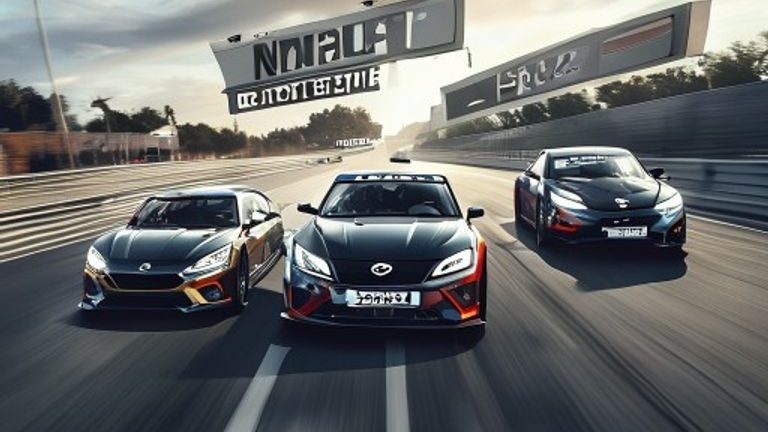
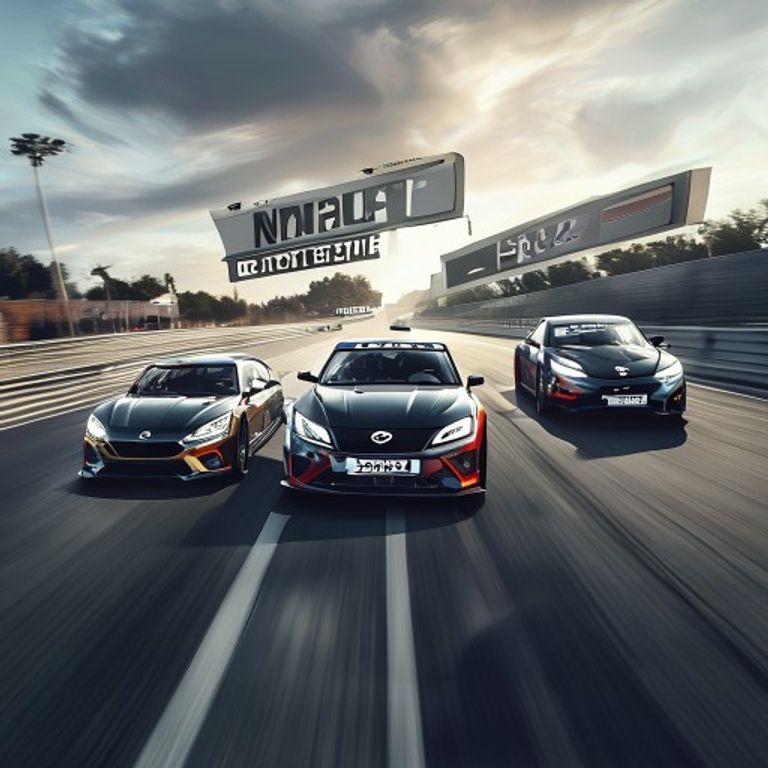
Hyundai’s high-performance N division is embarking on a crucial phase of development for its future models, confirming that a new gas engine intended for upcoming N cars will undergo rigorous endurance testing during the demanding Nürburgring 24-hour race. This strategic move highlights the automaker’s unwavering commitment to performance, durability, and the transfer of race-bred technology to its production vehicles.
The Nürburgring Nordschleife, affectionately known as the ‘Green Hell,’ is widely regarded as the ultimate proving ground for high-performance vehicles. Its 20.8-kilometer layout, featuring over 70 corners, dramatic elevation changes, and diverse surfaces, subjects every component of a car to immense and sustained stress. For an engine, this environment is unparalleled in its ability to expose weaknesses and validate robust design under conditions far more extreme than typical road use or even most track days.
The Unrelenting Test of the Nürburgring 24-Hour Race
The decision to conduct this critical validation during the Nürburgring 24-hour race is particularly telling. This event is not merely a sprint but a marathon that pushes vehicles and their powertrains to their absolute limits for a full day and night. Engines must withstand continuous high-RPM operation, rapid acceleration and deceleration cycles, extreme thermal loads, and the unrelenting vibration and shock of racing at speed for 1,440 minutes straight. This sustained period of maximum output and varying loads provides an invaluable crucible for proving the long-term reliability and performance characteristics of a new engine design.
During the race, Hyundai N’s dedicated race cars – which are inherently designed for extreme performance and durability – will serve as dynamic, high-speed laboratories. These vehicles are equipped with sophisticated telemetry systems that collect vast amounts of data on engine parameters, including temperatures, pressures, fuel consumption, power output, and wear rates. This real-time data acquisition is crucial for engineers to monitor the engine’s behavior under stress and identify any areas that might require further refinement before the powerplant is deemed ready for production N cars.
A Glimpse into Future N Powertrains
The announcement of a ‘next-gen powertrain’ for future N cars signals Hyundai’s continuous innovation in the performance segment. While specific details about the engine remain undisclosed, the term ‘next-gen’ typically implies advancements in several key areas. These could include improved power density, enhanced thermal efficiency, better throttle response, reduced internal friction, or even a more compact design. The focus on a gas engine also reaffirms Hyundai N’s commitment to delivering visceral driving experiences that enthusiasts cherish, even as the automotive industry navigates a broader shift towards electrification.
Developing an engine specifically for high-performance applications like those found in N cars requires meticulous engineering. It’s not just about raw power, but also about how that power is delivered – smoothly, consistently, and reliably, even after hours of demanding use. The Nürburgring 24-hour race provides the perfect stage to validate these attributes, ensuring that the engine can not only perform at its peak but also maintain its integrity throughout its expected lifespan in consumer vehicles.
The Race-to-Road Philosophy: Validation and Evolution
Hyundai N’s involvement in motorsport, particularly at the Nürburgring, is deeply ingrained in its ‘race-to-road’ philosophy. The insights gained from racing competition are directly applied to the development of its road-going cars, allowing the brand to offer vehicles that embody true track capability while remaining practical for everyday driving. Using race cars to ‘validate’ the next-gen powertrain means that the engine will have proven its mettle under the most strenuous conditions imaginable, providing a level of confidence in its design and construction that conventional testing methods might not achieve.
This process is not simply about showcasing speed; it’s fundamentally about engineering evolution. Data from oil analysis, bore scope inspections, and post-race teardowns will provide invaluable feedback on material wear, lubrication effectiveness, and the structural integrity of components under prolonged duress. This granular level of insight is paramount for ensuring that when this new engine eventually powers future N models, it will deliver not only thrilling performance but also the legendary reliability that consumers expect from Hyundai.
Strategic Significance for the N Brand
By publicly undertaking this rigorous validation process, Hyundai N reinforces its credibility as a serious player in the high-performance car market. It demonstrates a transparent commitment to engineering excellence and a willingness to push boundaries in the pursuit of automotive perfection. For enthusiasts and prospective buyers, knowing that the heart of their future N car has been forged in the crucible of the Nürburgring 24-hour race instills a powerful sense of trust and excitement.
This strategic testing initiative underscores that Hyundai N cars are not merely sporty trims but fundamentally engineered performance machines. The lessons learned, the data gathered, and the refinements made during this extreme endurance test will undoubtedly contribute to creating future N models that are even more thrilling, durable, and enjoyable to drive. It’s a clear statement that Hyundai N continues to prioritize delivering genuine driver enjoyment through proven, high-performance engineering.
Source : https://www.caranddriver.com/news/a71099838/hyundai-new-gas-engine-future-n-cars/