


Audi’s Intelligent Illumination: A New Era for U.S. Road Safety
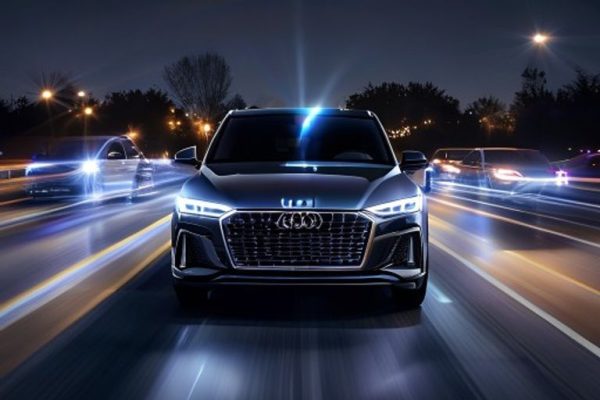
For years, automotive enthusiasts and safety advocates in the United States have looked enviously across the Atlantic, where advanced headlight technologies have illuminated European roads with precision and intelligence. Now, that era of disparity is finally drawing to a close. Audi, a brand synonymous with lighting innovation, is set to bring its sophisticated Digital Matrix headlights to the U.S. market, promising a significant leap forward in road safety and driver comfort. This groundbreaking technology, poised to debut with the all-new 2027 Q9 three-row luxury SUV, is lauded as the definitive cure for road glare, a common nuisance that compromises nighttime visibility for millions of drivers.
The introduction of Audi’s Digital Matrix headlights marks a pivotal moment, not just for the German automaker, but for the entire American automotive landscape. It signifies the U.S. finally catching up with global standards in automotive lighting, thanks to recent regulatory updates that pave the way for adaptive driving beam (ADB) technology. This development is a direct response to years of advocacy and a recognition of the tangible benefits such systems offer in real-world driving conditions.
Understanding Adaptive Driving Beam Technology: Precision Illumination
At the heart of Audi’s Digital Matrix headlights lies adaptive driving beam (ADB) technology, an intelligent system designed to provide maximum illumination without dazzling other road users. Unlike traditional high beams that are either on or off, ADB systems leverage an array of individually controllable light-emitting diodes (LEDs) – often numbering in the hundreds or even thousands per headlight – combined with sophisticated camera sensors and processing power. These sensors constantly monitor the road ahead, detecting oncoming vehicles, preceding vehicles, and even pedestrians or cyclists.
Based on real-time data, the system precisely adjusts the light distribution. Instead of simply dimming the entire high beam, it creates « shadows » or unlit zones around other vehicles, effectively carving out areas where light needs to be reduced. This allows the driver to maintain full high-beam illumination on the rest of the road, including shoulders, road signs, and distant hazards, significantly enhancing visibility. The term « Digital Matrix » itself hints at the high resolution and intricate control over the light beam, allowing for extremely precise and dynamic adjustments.
The Regulatory Hurdle: Why It Took So Long
The delay in bringing adaptive beam technology to the U.S. market wasn’t due to a lack of innovation from manufacturers but rather a long-standing regulatory framework. For decades, Federal Motor Vehicle Safety Standard (FMVSS) 108, which governs vehicle lighting, mandated that headlights must have distinct high-beam and low-beam settings, with a manual switch for drivers to toggle between them. This rigid « on/off » requirement directly contradicted the dynamic, continuously adjusting nature of ADB systems, effectively barring their widespread adoption in the U.S. while they flourished in Europe, Canada, and other regions.
The turning point came with the passage of the Infrastructure Investment and Jobs Act in 2021. This comprehensive bill included a specific provision that mandated the National Highway Traffic Safety Administration (NHTSA) to amend FMVSS 108 to permit adaptive driving beam headlamps within two years. Following this legislative push, NHTSA finalized the rule change in February 2022, officially opening the door for automakers to deploy this advanced safety feature on American roads. The interim period since then has been spent by manufacturers like Audi adapting their global technologies to meet the specific certification requirements for the U.S. market.
Beyond Glare Reduction: A Host of Safety Benefits
While the « cure for road glare » is a headline benefit, the advantages of Audi’s Digital Matrix headlights extend far beyond simply preventing dazzling other drivers. These intelligent lighting systems contribute to overall road safety in multiple ways:
- Enhanced Visibility for the Driver: By maintaining consistent high-beam illumination wherever possible, drivers gain a much clearer view of the road ahead, spotting obstacles, pedestrians, and animals sooner.
- Reduced Driver Fatigue: The constant need to manually switch between high and low beams, especially on winding or busy roads, contributes to driver fatigue. ADB systems automate this process seamlessly, allowing drivers to focus more on the road.
- Improved Safety for Vulnerable Road Users: Pedestrians and cyclists are often at higher risk in low-light conditions. By precisely illuminating the road while shielding oncoming drivers, ADB technology makes it easier to detect and react to vulnerable road users.
- Better Road Sign Recognition: Higher average illumination levels mean road signs, reflective markers, and lane lines are more consistently lit, improving navigation and awareness.
- Dynamic Lighting Functions: Advanced Digital Matrix systems are capable of more than just glare reduction. They can project warning symbols onto the road surface, highlight obstacles, or even create a « light carpet » that dynamically illuminates the driver’s lane, enhancing situational awareness. While specific functionalities for the 2027 Q9 will be detailed closer to launch, these capabilities are inherent to the technology type.
The 2027 Audi Q9: A Flagship for Lighting Innovation
Audi’s decision to launch its Digital Matrix headlights with the new 2027 Q9 three-row luxury SUV underscores the significance of this technology. The Q9, expected to be a flagship model in Audi’s growing SUV lineup, will serve as a showcase for the brand’s latest innovations in safety, comfort, and performance. As a vehicle designed for long journeys and family adventures, equipping it with state-of-the-art lighting that reduces driver strain and enhances safety makes perfect sense.
The Q9’s arrival with this technology will set a new benchmark in the competitive luxury SUV segment. Its advanced lighting system will likely be a key differentiator, appealing to discerning buyers who prioritize cutting-edge safety features and a refined driving experience. This move will undoubtedly pressure other luxury automakers to accelerate the introduction of their own adaptive beam systems to the U.S. market, fostering a beneficial competition that ultimately benefits consumers.
The Future of Automotive Lighting in America
Audi’s announcement is more than just a product debut; it’s a testament to the evolving regulatory landscape and the relentless pursuit of automotive safety innovation. The « Adaptive-Beam Headlight Tech Is Finally Coming to America » is not merely a catchy headline, but a declaration that American roads are about to become safer, brighter, and more intelligently lit.
As the 2027 Q9 prepares for its debut, ushering in Audi’s Digital Matrix headlights, it signals a new era where advanced illumination is not a luxury reserved for international markets, but a standard feature that enhances the driving experience for everyone. Expect to see a rapid adoption of similar systems across various brands and segments in the coming years, transforming nighttime driving for the better, one precisely controlled beam of light at a time.
Source : https://www.caranddriver.com/news/a71389325/2027-audi-q9-debuts-adaptive-beam-headlight-america/