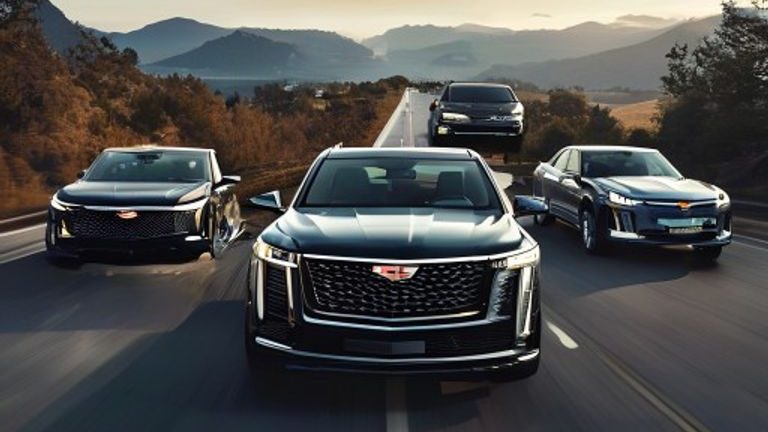
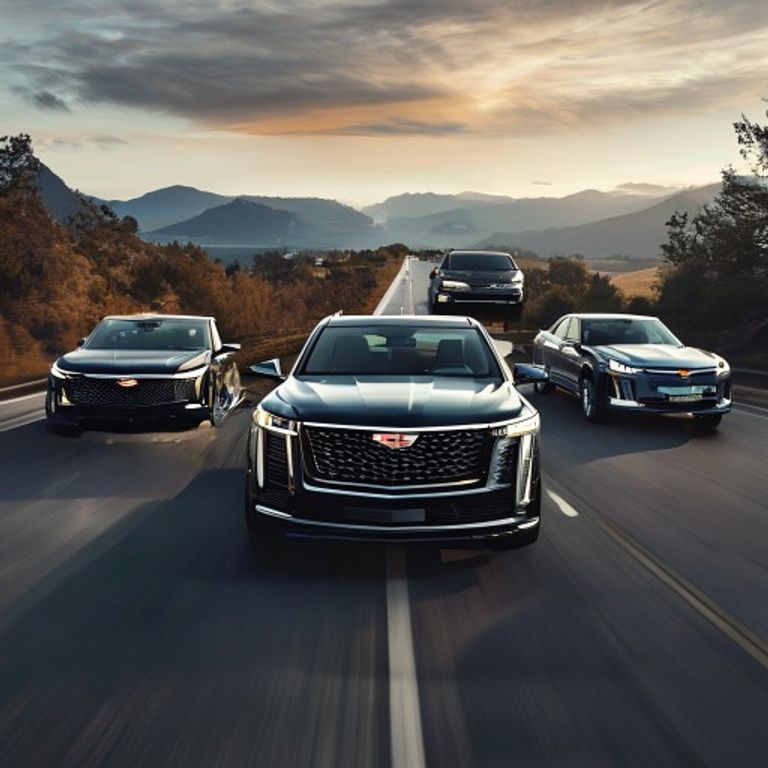
Cadillac has officially confirmed the continued presence of its three-row XT6 SUV, specifically with a traditional gasoline engine, a strategic move amidst a rapidly evolving automotive landscape dominated by electrification headlines. This ensures that consumers seeking a spacious, family-oriented Cadillac SUV, who may not yet be ready for an all-electric vehicle, continue to have a compelling option within the brand’s premium lineup. It underscores Cadillac’s pragmatic market approach, acknowledging diverse preferences while aggressively transitioning to an all-electric future with other models.
The XT6’s Enduring Role in Cadillac’s Portfolio
The Cadillac XT6 has carved a significant niche, bridging the gap between compact crossovers and the full-size Escalade. Designed to accommodate families needing three rows without the full-size footprint or price, the XT6 offers a compelling blend of luxury, practicality, and manageable dimensions. Its three-row configuration has been a key selling point in a highly competitive premium mid-size SUV segment.
The explicit confirmation of a gasoline engine for the XT6 is particularly noteworthy. As many luxury brands, including Cadillac, heavily invest in battery-electric vehicles, reaffirming an ICE option sends a clear message: Cadillac recognizes persistent demand for gasoline powertrains, whether due to range anxiety, infrastructure concerns, or preference. This decision allows Cadillac to maintain market share among customers valuing established engine technology, while simultaneously offering cutting-edge electric alternatives.
Cadillac’s Ambitious Three-Row SUV Strategy Unpacked
The question of « how many three-row SUVs can one brand sell? » is definitively answered by Cadillac’s strategy: « at least four. » This reflects a robust, multi-faceted approach to serving diverse needs of modern families and luxury buyers requiring significant capacity. Cadillac’s current and announced portfolio clearly demonstrates an intention to offer a comprehensive range of vehicles spanning various sizes, price points, and powertrain technologies.
- Cadillac XT6: The confirmed gasoline-powered mid-size option, providing a balance of luxury, three-row utility, and a more accessible entry point compared to full-size models. It caters to those who prefer or require an internal combustion engine.
- Cadillac Escalade & Escalade ESV: The undisputed kings of the full-size luxury SUV segment. These traditional gasoline-powered behemoths continue to offer unparalleled space, power, and prestige, with the ESV variant extending even further for maximum cargo and passenger room.
- Cadillac Vistiq: An upcoming all-electric, three-row SUV. Positioned to slot in above the Lyriq, the Vistiq will offer electrified luxury and ample space for families, representing Cadillac’s commitment to an electric future for larger vehicles.
- Cadillac Escalade IQ: The fully electric iteration of the iconic Escalade. This model reimagines the full-size luxury SUV with a revolutionary electric powertrain, offering immense range, cutting-edge technology, and the same commanding presence, all while being zero-emission.
This diverse array of offerings ensures that Cadillac can capture a wider demographic, from those seeking a practical gasoline family SUV to those at the forefront of electric vehicle adoption who still demand opulent space and comfort. By providing multiple three-row options, Cadillac addresses varying customer preferences regarding size, cost, and crucially, powertrain type, proving its versatility in a dynamic automotive market.
Navigating the Powertrain Transition with Strategic Flexibility
Cadillac has publicly committed to an all-electric future, with a clear roadmap evident in models like the Lyriq, Optiq, Vistiq, and Escalade IQ. However, retaining and confirming a gasoline engine for the XT6 demonstrates strategic flexibility during a critical transitional period. The automotive industry’s shift to electrification is not instantaneous, and consumer readiness varies significantly.
For many buyers, factors like charging infrastructure, purchase price, and range anxiety still make traditional ICE vehicles a practical choice. By offering the XT6 with a gasoline engine, Cadillac ensures it doesn’t alienate customers unprepared for EVs. This dual-pronged strategy allows the brand to generate revenue and maintain market presence in the ICE segment while building momentum in the EV market. It’s a pragmatic approach to managing global energy transition complexities, ensuring stability and choice.
Market Implications and Competitive Stance
The premium three-row SUV segment is fiercely competitive, with strong offerings from European, Asian, and domestic luxury brands. By recommitting to the XT6 with a gas engine, Cadillac reinforces its position in this vital segment. It signals to competitors and consumers alike that while it is a leader in luxury electrification, it will not abandon its core strengths in traditional powertrains where market demand remains robust.
This strategy could prove advantageous, particularly in regions where EV adoption rates are slower or where charging infrastructure is less developed. The XT6’s continued presence provides a direct rival to gasoline-powered luxury SUVs from brands that may be slower to electrify or those that are also maintaining ICE options for the foreseeable future. Cadillac’s multi-pronged approach demonstrates an understanding of the nuanced global market, allowing it to adapt and respond to evolving consumer trends without putting all its eggs in one basket.
Anticipating the Returning XT6
While specific details regarding potential updates or redesigns for the XT6 were not part of the confirmation, its confirmed return with a gas engine invites anticipation for enhancements. Customers can generally expect a modern Cadillac to deliver on current luxury, connectivity, and safety expectations, including refined interior appointments, advanced infotainment, and comprehensive driver-assistance technologies. The XT6’s core appeal—comfortable ride, spacious interior, and user-friendly features—is expected to remain, ensuring its role as a reliable, luxurious family vehicle.
In conclusion, Cadillac’s confirmation of the XT6 SUV’s return with a gasoline engine is a strategic declaration balancing tradition with progress. It signals the brand understands the complexities of the current automotive market, where the EV transition is underway but incomplete for all consumers. By maintaining a robust offering of three-row vehicles—from established gasoline models like the Escalade and XT6 to forthcoming electric innovators like the Vistiq and Escalade IQ—Cadillac positions itself as a versatile, responsive luxury automaker, committed to meeting diverse clientele needs for years to come.
Source : https://www.caranddriver.com/news/a73220929/cadillac-xt6-gas-powered-return-confirmed/