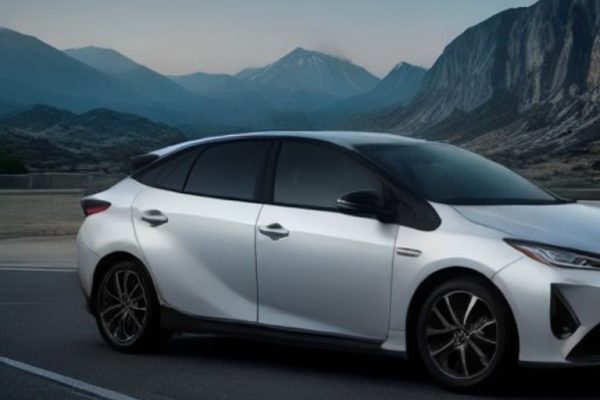


Dodge Charger Daytona EV Sees $12,500 Price Jump for 2027 Model Year
The electric vehicle (EV) market is characterized by rapid evolution, with manufacturers frequently adjusting vehicle specifications and pricing. However, a recent development regarding the 2027 Dodge Charger Daytona EV has captured attention due to a substantial price increase that, according to available information, is largely unaccompanied by an extensive list of new features. This recalibration for the upcoming model year prompts a closer look at the changes and their implications for potential buyers and the broader EV landscape.
For its 2027 model year, the all-electric Dodge Charger Daytona EV is slated to receive a significant price hike of $12,500. This substantial adjustment moves the vehicle to a considerably higher price point, challenging conventional expectations for model year updates. Typically, such a marked increase in cost is justified by the introduction of numerous new technologies, significant performance upgrades, or a comprehensive redesign. Yet, the current details suggest a different scenario for the Charger Daytona EV.
The Substantial $12,500 Price Increment
A price increase of $12,500 is far from trivial; it represents a major investment for consumers and signals a revised market positioning for the Charger Daytona EV. This magnitude places the increase firmly in the « massive » category, demanding scrutiny. Prospective buyers naturally anticipate that a higher price tag will correspond with tangible enhancements that elevate the vehicle’s value proposition, whether through improved performance, advanced safety features, superior interior materials, or cutting-edge infotainment systems. The absence of a clear, comprehensive list of such additions makes this pricing strategy particularly noteworthy for the 2027 model year.
This upward revision suggests a strategic decision by Dodge regarding the vehicle’s role and profitability within its segment. While manufacturing costs, supply chain dynamics, and inflation can all play a part in price adjustments, the specific quantum of this increase, paired with limited stated changes, raises questions about the perceived value for the consumer at the new price point. It compels an examination of what exactly is being offered for the additional investment.
NACS Charging Port: The Key Specified Addition
Amidst the announcement of the price increase, one significant technological upgrade has been confirmed for the 2027 Dodge Charger Daytona EV: the integration of a North American Charging Standard (NACS) port. The adoption of NACS is a pivotal development within the electric vehicle industry, signifying the vehicle’s direct compatibility with Tesla’s extensive Supercharger network across North America. This provides Charger Daytona EV owners with expanded access to a widely praised and reliable fast-charging infrastructure, a considerable convenience for long-distance travel and daily charging needs.
The NACS port eliminates the need for adapters when using Superchargers, streamlining the charging process and reducing potential range anxiety. This move aligns the Charger Daytona with a growing number of automakers embracing NACS as a de facto industry standard, enhancing the overall usability and appeal of the EV. For an electric vehicle, ease and accessibility of charging are paramount, making the NACS integration a genuinely valuable addition for future owners.
However, the question arises whether the inclusion of a NACS port alone fully accounts for a $12,500 price increment. While integrating a new charging standard involves design, engineering, and manufacturing efforts, such an enhancement typically represents only a portion of what justifies such a significant overall price increase, especially when compared to comprehensive vehicle overhauls or substantial performance boosts.
The Scarcity of Other Explanations for the « Massive » Hike
Perhaps the most striking detail accompanying the 2027 Charger Daytona EV’s pricing is the explicit statement that « there are few other changes that explain the massive price increase. » This transparency from Dodge highlights a unique situation: a significant financial commitment is being requested from consumers without a corresponding broad spectrum of product enhancements. Typically, annual model updates, particularly those involving substantial price adjustments, are accompanied by a press release detailing a range of improvements—from new exterior styling elements and advanced driver-assistance systems to updated interior technology and powertrain refinements.
The absence of such a list for the 2027 Charger Daytona EV means that beyond the NACS port, consumers are not being presented with other concrete reasons for the $12,500 premium. This situation deviates from the norm in the automotive industry, where manufacturers generally strive to demonstrate clear value for any escalated pricing. It suggests that the increase might be driven by factors less directly perceptible to the end-user, such as rising production costs, inflationary pressures on materials, or re-evaluations of market positioning and profitability targets. However, without official confirmation of these underlying economic factors as the primary drivers, the explanation remains focused on the limited changes.
This scenario underscores a crucial point for consumers: the explicit acknowledgment that the price hike is not primarily driven by a multitude of new features. This transparency, while stark, focuses attention squarely on the NACS port as the singular major specified change, leaving the bulk of the « massive » price increase unexplained by conventional product improvements.
Market Implications and Consumer Outlook
The 2027 Dodge Charger Daytona EV’s revised pricing strategy will undoubtedly influence its standing in the competitive electric vehicle market. In an environment where consumers are increasingly discerning about value for money, a substantial price increase, particularly one with limited accompanying feature updates, could impact purchasing decisions. While the NACS integration is a clear benefit, its ability to unilaterally justify a $12,500 premium will be a key consideration for potential buyers.
The market’s reaction to this pricing adjustment will serve as an interesting case study. How consumers weigh the convenience of NACS access against a significantly higher entry cost, absent other notable changes, will be critical. The Charger Daytona EV is a highly anticipated model, and its updated pricing for 2027 establishes a new benchmark for its value proposition. Ultimately, the future success of the 2027 Dodge Charger Daytona EV will hinge on how effectively Dodge can communicate the long-term value, even with a seemingly disproportionate price increase relative to its stated new features.
Source : https://www.caranddriver.com/news/a71486049/2027-dodge-charger-daytona-pricing/