

A Potential Paradigm Shift for the Dodge Charger
The automotive world is buzzing with early reports suggesting a significant evolution in the iconic Dodge Charger lineup. Whispers from within the industry indicate that a new variant, potentially dubbed the ‘Charger Sixpack,’ is on the horizon, promising an extraordinary performance benchmark. This forthcoming model is anticipated to boast a formidable six-cylinder engine capable of pushing an astonishing 600 horsepower. This power output, if realized, would position it firmly in the upper echelons of performance vehicles, redefining expectations for a six-cylinder muscle car.
This speculative power figure is particularly noteworthy because it heralds a substantial upgrade to the Charger’s six-cylinder powertrain. Such a dramatic increase in output points towards advanced engineering and a concerted effort to extract maximum performance from a more compact engine architecture. The implications for driving dynamics, acceleration, and overall road presence are profound, suggesting a car that will not only look the part of a performance machine but deliver truly exhilarating capabilities.
Crucially, the early information also highlights a significant departure from tradition: there is « still no sign of a Hemi V-8 » associated with this high-powered Sixpack variant. This detail underscores a potential strategic shift for Dodge, moving towards next-generation powertrains that prioritize efficiency and advanced technology without compromising the raw power and excitement that fans have come to expect from the Charger nameplate. It marks a moment where historical legacy intersects with future innovation, challenging established norms within the performance segment.
The Legacy of ‘Sixpack’ and the Charger Lineage
The name ‘Sixpack’ itself carries a rich and storied history within the Dodge performance lexicon. Traditionally, the ‘Six-Pack’ designation referred to a specific performance option from the late 1960s and early 1970s, where three two-barrel carburetors were mounted atop a high-performance V8 engine. This setup was synonymous with brutal acceleration and a visceral driving experience, becoming a legend among muscle car enthusiasts. The name evokes a powerful connection to Dodge’s heritage of pushing the boundaries of factory performance.
In the context of modern automotive engineering, the reappearance of the ‘Sixpack’ moniker, now associated with a six-cylinder engine, represents an intriguing reinterpretation. It bridges the gap between the venerated past and an innovative future, signaling that while the means of achieving power may evolve, the spirit of ultimate performance remains. This modern ‘Sixpack’ is not just a nod to history; it’s a statement about achieving comparable, if not superior, levels of power through contemporary design and technological advancements, distinguishing itself from its carbureted predecessors.
The Dodge Charger itself boasts a lineage stretching back decades, evolving through various iterations from a luxury coupe to the quintessential American muscle car. It has consistently been a benchmark for performance, style, and a commanding presence on the road. The prospect of a 600-horsepower six-cylinder variant signifies not an abandonment of this heritage, but rather an adaptation, ensuring the Charger remains at the forefront of the performance conversation while embracing the engineering demands of the present day.
The Ascent of the High-Output Six-Cylinder Engine
The automotive industry has witnessed a significant trend towards engine downsizing coupled with forced induction technologies like turbocharging and supercharging. This global shift is driven by a confluence of factors, including increasingly stringent emissions regulations, the demand for improved fuel efficiency, and the relentless pursuit of high power density. Modern six-cylinder engines, whether inline or V-configuration, are now regularly designed to deliver output figures that were once exclusively the domain of larger displacement V8s.
Advances in engine design, materials science, and computational fluid dynamics have allowed engineers to extract immense power from smaller packages. Technologies such as direct fuel injection, variable valve timing, sophisticated turbocharging systems, and advanced thermal management contribute to six-cylinder engines that are not only potent but also remarkably efficient and refined. These modern powerplants offer a compelling balance of performance and practicality, making them increasingly popular choices across various vehicle segments.
For a performance icon like the Charger, embracing a high-output six-cylinder engine presents several advantages beyond mere power output. Lighter engine blocks contribute to better vehicle weight distribution, potentially enhancing handling and agility. Smaller engine footprints can also free up space for other components, such as advanced cooling systems or hybrid powertrain elements, future-proofing the platform. This strategic move aligns the Charger with broader industry trends while aiming to maintain its core identity as a formidable performance machine.
Decoding the ‘Upgrade’ and the 600 Horsepower Target
Achieving 600 horsepower from a six-cylinder engine is a substantial engineering feat that requires a comprehensive approach to powertrain development. While specific details about Dodge’s methodology remain undisclosed, general industry practices suggest several key areas for such an upgrade. This level of power typically necessitates robust internal components, including forged crankshafts, connecting rods, and pistons, capable of withstanding extreme pressures and temperatures. The cylinder head design would also be optimized for maximum airflow and combustion efficiency.
Forced induction, most likely in the form of advanced twin-turbocharging, would be crucial to reaching the 600 horsepower target. Such a system would feature precisely tuned turbochargers designed for rapid spooling and sustained boost pressure across the entire rev range, minimizing turbo lag and delivering linear power delivery. Complementing this would be a sophisticated intercooling system to manage intake air temperatures, ensuring consistent performance under demanding conditions. An advanced engine management system would precisely control fuel delivery, ignition timing, and boost levels to optimize power and reliability.
The target of 600 horsepower places this potential Charger Sixpack firmly in contention with some of the most powerful production cars on the market. This figure suggests a vehicle capable of blistering acceleration, high top speeds, and exhilarating track performance. It signifies Dodge’s intent to not merely offer an alternative to a V8, but to establish a new benchmark for what a six-cylinder performance car can achieve, pushing the boundaries of performance and engineering prowess within its segment.
The Absence of the Hemi V-8: A New Chapter?
The explicit mention of « no sign of a Hemi V-8 » for this powerful new Charger variant marks a pivotal moment for the brand and its enthusiasts. The Hemi V-8 engine has been a cornerstone of Dodge’s high-performance identity for decades, synonymous with raw power, distinctive exhaust notes, and the very essence of American muscle. Its legacy is deeply intertwined with the Charger’s most potent iterations, making its absence from this top-tier six-cylinder offering particularly salient.
This move is indicative of a broader industry evolution where automakers are balancing heritage with the pressing demands of modern environmental regulations and technological advancements. While the Hemi V-8 has left an indelible mark, focusing on a highly potent six-cylinder engine allows Dodge to pursue performance goals within a more contemporary framework. It suggests a future where high performance is delivered through innovative engineering rather than solely relying on large-displacement, naturally aspirated architectures.
It is important to emphasize that the current information pertains specifically to this powerful six-cylinder ‘Sixpack’ variant, and does not necessarily spell the end for all Hemi V-8 applications across the wider Dodge lineup. However, its noted absence from a model poised to deliver 600 horsepower suggests a clear strategic direction for the brand’s cutting-edge performance offerings. This could represent the beginning of a new chapter for the Charger, one where extreme power is achieved through a different, yet equally compelling, powertrain philosophy.
What Remains Unseen: Anticipation and the Future
While the prospect of a 600-horsepower Dodge Charger Sixpack is electrifying, many crucial details remain unconfirmed and are a subject of intense anticipation. Enthusiasts and prospective buyers will undoubtedly be eager for more information regarding the specific engine architecture – whether it will be an inline-six or a V-six, and its exact displacement. Further questions abound regarding the type of transmission that will harness this immense power, the drive layout (rear-wheel drive, all-wheel drive), and any bespoke chassis modifications necessary to manage such significant output effectively.
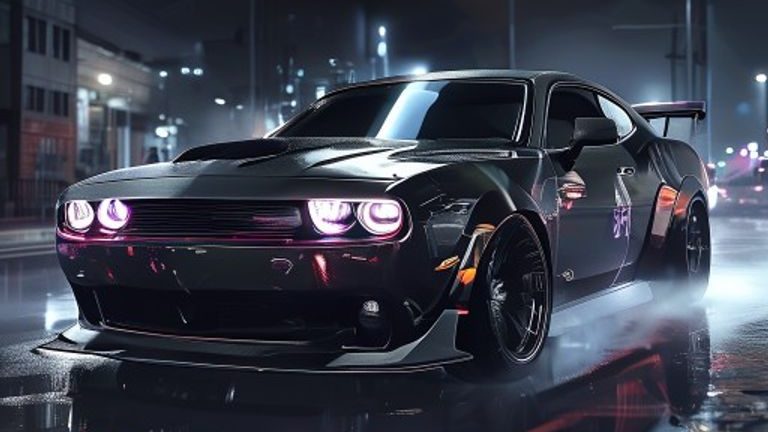
Beyond the powertrain, the styling and aerodynamic enhancements that will accompany this performance upgrade are also subjects of keen interest. Will the exterior design reflect its increased potency with aggressive bodywork, unique badging, and functional aero elements? The timeline for its official unveiling, market launch, and estimated pricing are also key pieces of information that will shape its reception. Moreover, full performance metrics, including 0-60 mph times, quarter-mile figures, and top speed, are eagerly awaited to truly understand the capabilities of this new muscle car contender.
Despite the limited information available, the very notion of a 600-horsepower six-cylinder Dodge Charger Sixpack has already ignited significant excitement. It signifies Dodge’s commitment to delivering segment-leading performance while strategically adapting to the evolving landscape of automotive technology. This highly anticipated model could redefine what it means to be a Charger in the modern era, setting a new standard for power, efficiency, and engineering prowess in the high-performance segment, and cementing its place as an icon for a new generation.
Source : https://www.caranddriver.com/news/a73171529/dodge-charger-sixpack-more-powerful-variant-announced/