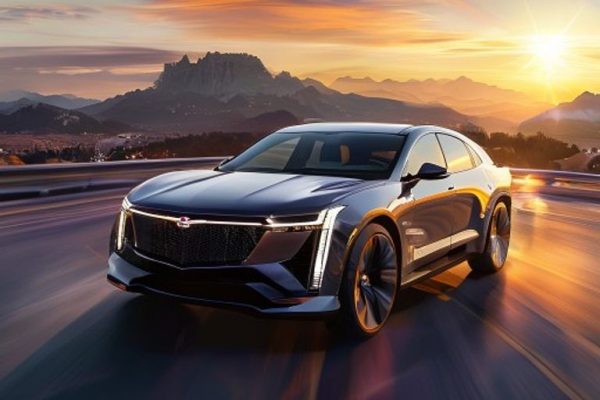



Future Electric Vehicles: The EVs You’ll Soon Be Able to Buy
The automotive world is buzzing with anticipation for the next wave of electric vehicles (EVs). While today’s market offers a compelling array of choices, an exciting new generation is currently in development, promising to push boundaries in every aspect of personal transportation. These aren’t models you can buy off the lot just yet; they’re in various stages from visionary concept designs to advanced pre-production prototypes. This journey is intricate, filled with innovation and hurdles, meaning some ambitious projects may unfortunately never make it to market. However, for those that do, a transformative driving experience awaits.
From Concept to Production: The Development Cycle of Future EVs
Bringing a new electric vehicle to market is a complex endeavor, typically involving several distinct phases that refine an idea into a tangible product. Understanding this journey helps appreciate the innovation and challenges involved.
-
Concept Vehicles: These are the boldest expressions of a manufacturer’s future vision. Often featuring radical designs, experimental technologies, and speculative features, concept EVs are primarily designed to showcase new ideas, gauge public reaction, and set a direction for upcoming models. While many elements are often toned down for production, they offer exciting glimpses into the future.
-
Prototypes and Test Mules: Moving from vision to engineering, prototypes are functional testbeds. These early versions are rigorously evaluated for performance, battery efficiency, charging capabilities, and chassis dynamics. Engineers conduct extensive testing in diverse environments to identify and resolve any mechanical, electrical, or software issues, ensuring reliability and safety.
-
Pre-production Models: As development matures, pre-production models emerge. These vehicles closely resemble the final product and are built using production-intent processes. They undergo final validation, regulatory compliance testing (like crash tests), and crucial quality control checks. This stage fine-tunes manufacturing, integrates final software, and prepares the vehicle for mass assembly and market launch.
Anticipated Advancements for the Future EV Buyer
The upcoming generation of electric vehicles promises significant strides across key areas, directly benefiting consumers with enhanced capabilities and a wider array of choices.
-
Revolutionary Battery Technology and Extended Range: Expect continuous improvements in battery chemistry, potentially including solid-state advancements, leading to greater energy density. This translates directly into longer driving ranges between charges and quicker charging times, significantly alleviating range anxiety and improving convenience for long journeys.
-
Superior Performance and Driving Dynamics: Future EVs will leverage advanced electric motor designs and sophisticated torque management systems to deliver even more exhilarating acceleration, refined handling, and a smoother, quieter ride. Purpose-built electric platforms will optimize weight distribution and aerodynamics for a genuinely engaging driving experience.
-
Integrated Technology and Sustainable Luxury: Cabins are set to become even more advanced, featuring larger, intuitive infotainment systems, seamless connectivity, and highly integrated driver assistance features moving towards enhanced autonomy. There’s also a growing focus on sustainable interior materials, offering both luxury and environmental consciousness.
-
Diverse Market Segments: Beyond current offerings, the market will expand significantly. Expect to see a greater variety of body styles, including robust electric trucks with serious towing and hauling capabilities, efficient compact city cars, high-performance sports sedans, and versatile family SUVs, ensuring an EV option for nearly every lifestyle and need.
The Unpredictable Path: Why Some Visions Remain Concepts
Despite the immense promise, not every exciting concept or prototype makes it to dealership floors. The journey from idea to market is fraught with challenges, and numerous factors can lead to a project’s cancellation or indefinite postponement. These can include unforeseen technological hurdles in battery or motor development, significant economic or financial constraints leading to insufficient funding or viability, evolving regulatory landscapes requiring costly redesigns, rapid shifts in consumer demand or intensifying competition that make an initial concept less appealing, and complex manufacturing challenges in scaling production reliably and efficiently. Such uncertainties are an inherent part of the automotive innovation cycle, reminding us that while the future is bright, it is also highly dynamic.
What This Means for Prospective EV Owners
For buyers, the impending arrival of these advanced electric vehicles signifies a period of unprecedented choice and refinement. The intense competition among manufacturers will likely drive innovation, improve value propositions, and accelerate the development of charging infrastructure. This era promises more mature technology, greater accessibility, and a wider range of vehicles tailored to specific preferences, from urban commuters to adventure seekers. The wait for these next-generation EVs highlights a future where electric mobility is not just an alternative but the preferred and superior mode of transportation, delivering on promises of sustainability, performance, and cutting-edge technology.
Source : https://www.caranddriver.com/news/g29994375/future-electric-cars-trucks/