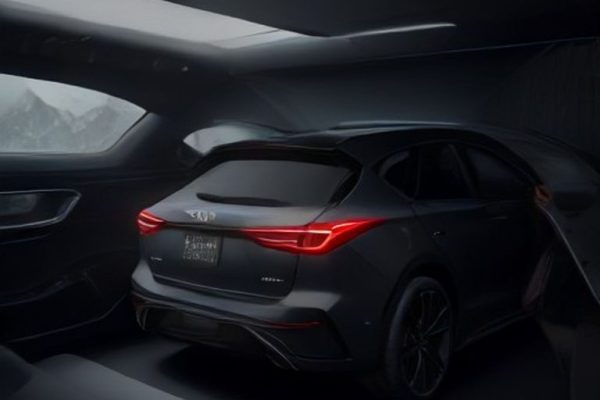



The automotive world is currently experiencing an unprecedented transformation, with electric vehicles (EVs) at the forefront of this revolution. While current models offer compelling reasons to switch, the industry is perpetually looking ahead, with a pipeline of future EVs promising even greater innovation and choice. These upcoming models, spanning various stages from visionary concepts to advanced prototypes nearing production, represent the cutting edge of automotive engineering and design, offering a tantalizing glimpse into what consumers will soon be able to purchase.
It’s important for enthusiasts and potential buyers to understand that these next-generation EVs are not yet available on dealership lots. They are in a dynamic phase of development, a complex journey that transforms ambitious ideas into tangible vehicles. This ongoing evolution ensures a continuous stream of new technologies and designs, catering to an ever-widening array of consumer demands and preferences, from sustainable urban mobility to rugged adventure vehicles.
The Journey of an EV: From Blueprint to Showroom
Bringing a new electric vehicle to market is an intricate process, often requiring years of research, development, and testing. It begins long before the public ever sees a glimpse of a potential new model, rooted in design studios and engineering labs around the globe. This rigorous process ensures that by the time an EV reaches consumers, it is refined, reliable, and ready for the road.
From Concept to Prototype: Initial Vision and Iteration
Many future EVs originate as concept cars, dramatic and often futuristic vehicles designed to showcase a manufacturer’s forward-thinking vision. These concepts serve multiple vital roles:
- Gauging Interest: They test public reaction to novel designs and proposed technologies.
- Showcasing Innovation: Highlight capabilities in design, powertrain, and digital integration.
- Shaping Future Trends: Elements often influence subsequent production models, even if the concept itself isn’t directly produced.
Following the concept phase, the focus shifts to creating functional prototypes. These vehicles are far closer to the final production model, built for extensive real-world testing. Prototypes undergo rigorous evaluation in areas such as:
- Performance: Assessing acceleration, braking, handling, and overall driving dynamics.
- Range & Charging: Validating battery performance, energy consumption, and charging speeds.
- Durability & Safety: Conducting comprehensive crash tests and long-term reliability assessments.
- User Experience: Refining interiors, infotainment systems, and driver-assistance features.
Pre-production models, typically built on early assembly lines, are the final step before mass manufacturing. They are critical for fine-tuning production processes, ensuring consistent quality, and preparing for large-scale market launch.
Anticipating the Next Generation of Electric Mobility
The rapid pace of innovation in the EV sector means that the next generation of electric vehicles promises significant advancements. Consumers can look forward to:
- Extended Range and Efficiency: Breakthroughs in battery technology and powertrain optimization will lead to longer driving distances on a single charge.
- Faster Charging Times: Enhanced charging infrastructure and advanced battery management systems will dramatically reduce the time spent replenishing power.
- Smarter Connectivity & Autonomy: Seamless digital integration, over-the-air updates, and more sophisticated autonomous driving capabilities will become commonplace.
- Greater Vehicle Diversity: An expanded range of electric options including pickups, vans, performance cars, and specialized urban mobility solutions.
However, the journey from an exciting announcement to a market-ready vehicle is not always linear. While the industry is full of ambitious projects, not every concept or announced model successfully makes it to production. Several factors can lead to a project’s cancellation:
- Technical Challenges: Unforeseen engineering hurdles or production complexities can prove insurmountable.
- Economic Viability: High development costs, fluctuating raw material prices, or insufficient market demand can make a project financially unsustainable.
- Regulatory Shifts: Changes in safety standards or environmental regulations may necessitate costly redesigns.
- Market Dynamics: Rapid shifts in consumer preferences or competitive pressures can alter manufacturer priorities.
- Corporate Strategy: Mergers, acquisitions, or internal refocusing can lead to the shelving of certain projects.
This inherent uncertainty is a natural part of a fast-evolving industry, ensuring that only the most robust, well-conceived, and market-appropriate vehicles ultimately reach consumers.
The « Soon » Factor: What Buyers Can Expect
For potential buyers, « soon » in the context of automotive development generally refers to a timeframe of one to three years for models well into their development cycles. For vehicles still in the early concept phase, the wait could be longer, or they might never progress beyond a design study. The key is to stay informed through credible automotive news sources and official manufacturer announcements.
The upcoming influx of electric vehicles promises to redefine personal transportation. With continuous improvements in every aspect—from performance and range to interior design and connectivity—the next wave of EVs will offer unparalleled choices and experiences. The future of driving is undeniably electric, and the vehicles that will soon be available for purchase are set to revolutionize our expectations for mobility.
In conclusion, the pipeline of future electric vehicles is a testament to the industry’s commitment to innovation and sustainability. While some projects may remain visionary concepts, the vast majority represent tangible progress towards a cleaner, more efficient, and technologically advanced automotive era. The journey from concept to consumer is intricate, but the destination—a world filled with diverse and exciting EVs—is rapidly approaching. Stay tuned, as the future of electric mobility is being built right now, promising a transformative experience for drivers everywhere.
Source : https://www.caranddriver.com/news/g29994375/future-electric-cars-trucks/