

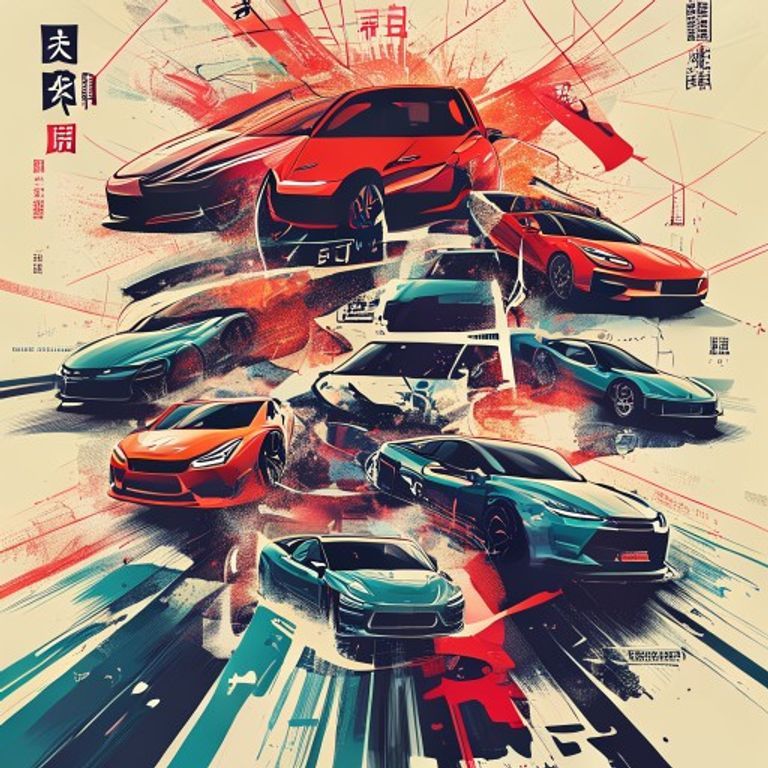
In a powerful statement echoing through the corridors of the global automotive industry, a prominent Toyota executive has underscored the urgent necessity for Japanese automakers to significantly enhance their cooperation. This call to unity comes amidst an increasingly stark realization of the formidable and rapidly advancing challenge posed by Chinese competition, which is fast reshaping the very foundations of the automotive landscape.
The traditional pillars of automotive excellence are shifting, moving from a sole focus on internal combustion engine prowess and mechanical reliability towards a new era defined by electrification, digital intelligence, and software-driven innovation. As the world pivots towards sustainable mobility and connected experiences, Chinese manufacturers have emerged not merely as contenders but as leaders in certain nascent yet critical domains, particularly within the electric vehicle (EV) sector and the integration of sophisticated digital technologies.
The Evolving Global Automotive Chessboard
For decades, Japanese automakers have been synonymous with innovation, quality, and global market leadership. Brands like Toyota, Honda, Nissan, Mazda, and Subaru have not only set industry standards but have also consistently pushed the boundaries of engineering and manufacturing efficiency. However, the current transformation of the industry presents a different kind of challenge, one that transcends traditional competitive dynamics.
The rise of Chinese automakers is multifaceted. Benefiting from significant domestic market scale, robust government support, and an agile approach to technology adoption, these companies are accelerating their development cycles at an unprecedented pace. They are not only mastering battery technology and electric powertrains but are also making significant strides in areas like advanced driver-assistance systems (ADAS), in-car infotainment, and connectivity features that are increasingly paramount to modern consumers. This aggressive expansion, initially focused on their vast domestic market, is now increasingly targeting international territories, signaling a direct and potent threat to established players globally.
The sheer volume of investment flowing into research and development, particularly in electrification and intelligent vehicle technologies within China, is creating an ecosystem of innovation that is hard for any single company, even a global giant, to match alone. This rapid evolution means that the competitive horizon is no longer distant; it is very much at the doorstep of Japan’s storied automotive industry, necessitating a strategic and collective response.
The Imperative for Collaboration: Pooling Strengths Against a Common Tide
The Toyota executive’s emphasis on increased cooperation is rooted in a pragmatic understanding of the scale of investment and expertise required to remain at the forefront of this new automotive paradigm. Instead of fragmenting resources and duplicating efforts across multiple, historically competitive Japanese brands, a collaborative approach could unlock significant synergies and accelerate progress.
Cooperation could manifest in several critical areas, allowing Japanese automakers to leverage collective strengths and mitigate individual weaknesses:
- Advanced Battery Technology: The core of EVs, battery development requires immense capital and expertise. Collaborative R&D could lead to more efficient, cheaper, and safer solutions, boosting Japanese competitiveness.
- Software and Digital Platforms: Modern vehicles are increasingly software-defined. Developing robust operating systems, AI, and connectivity features is a monumental task. Shared platforms could reduce costs and accelerate innovation.
- Autonomous Driving Systems: The path to full autonomy is expensive and challenging. Pooling data, sensor technology, and AI expertise across companies could fast-track development and reduce testing costs.
- Charging Infrastructure: A unified approach to developing and deploying charging networks, domestically and internationally, could alleviate range anxiety and simplify EV ownership, fostering faster adoption.
- Supply Chain Optimization: Securing critical EV materials and components is challenging. Collective purchasing power and shared risk management could ensure more stable and cost-effective access to essential resources.
- New Mobility Services: Beyond manufacturing, the future involves services like ride-sharing. Collaborating on these platforms could create new revenue streams and strengthen market presence in emerging service sectors.
Navigating Historical Rivalries and Charting a Unified Course
While the benefits of cooperation are clear, the path is not without its challenges. The Japanese automotive industry has a long history of intense internal competition, fostering a culture of individual excellence and proprietary technology. Overcoming these deeply ingrained rivalries, sharing intellectual property, and harmonizing different corporate cultures will require strong leadership, mutual trust, and a clear, shared vision for the future.
However, history also offers precedents for collaboration. Japanese automakers have previously engaged in various forms of alliances, joint ventures, and technology sharing agreements for specific projects or market access. The current imperative, however, demands a broader, more fundamental level of cooperation, one that acknowledges the existential nature of the evolving competitive landscape.
The call from the Toyota executive serves as a crucial wake-up call, urging Japanese automakers to transcend traditional competitive boundaries and forge a united front. By pooling their immense talent, technological prowess, and financial resources, they can not only defend their storied legacy but also redefine leadership in the era of electric and intelligent mobility. The storm of competition is indeed on the horizon, but through strategic cooperation, Japan’s automotive giants have the potential to navigate it successfully, emerging stronger and more innovative than ever before.