


The Legend of the Lotus Carlton
The automotive world is currently abuzz with the appearance of a truly iconic machine on the popular online auction platform, Bring a Trailer: the Lotus Carlton. More than just a powerful car, the Lotus Carlton represents a unique chapter in automotive history, a testament to engineering prowess, and a subtle rebellion against convention. Its presence on the market is always a significant event, drawing enthusiasts and collectors eager to own a piece of this remarkable legacy.
Born from an Unlikely Partnership
In the early 1990s, General Motors sought to create a halo car for its European brands, Vauxhall and Opel. The audacious decision was made to entrust the task to Lotus, then renowned for its lightweight sports cars and unparalleled chassis tuning expertise. The platform chosen was the relatively mundane Vauxhall Carlton (Opel Omega in mainland Europe), a respectable but otherwise unremarkable executive sedan. The result of this collaboration was anything but ordinary; it was a beast in sheep’s clothing, a vehicle that would redefine the performance saloon segment.
Lotus engineers embarked on a comprehensive overhaul, transforming every critical aspect of the donor car. The standard 3.0-liter straight-six engine was bored out to 3.6 liters and fitted with twin Garrett turbochargers, a charge cooler, and a bespoke engine management system. This meticulous work resulted in an astounding output of 377 horsepower and 419 lb-ft of torque – figures that were scarcely believable for a four-door sedan at the time. To handle this immense power, the car received a robust six-speed manual gearbox sourced from the contemporary Chevrolet Corvette ZR-1, a testament to the engineering required to keep the power manageable.
Performance That Stirred Controversy
The performance figures of the Lotus Carlton were staggering for its era. It could accelerate from 0 to 60 mph in a breathtaking 5.2 seconds and boasted a top speed of 177 mph (285 km/h). This made it, unequivocally, the fastest production saloon car in the world at its launch. Such extreme performance in a car that looked, to the untrained eye, like a slightly beefed-up family car, sparked considerable debate. Media outlets and even some politicians questioned the necessity of such speed on public roads, leading to calls for limiting its top speed. This controversy only cemented its legendary status, highlighting just how far ahead of its time the Lotus Carlton truly was.
- Engine: 3.6-liter twin-turbocharged inline-six, producing 377 hp and 419 lb-ft torque.
- Transmission: ZF six-speed manual gearbox.
- 0-60 mph: Approximately 5.2 seconds.
- Top Speed: 177 mph (285 km/h), making it the fastest saloon of its time.
- Chassis: Extensively re-engineered by Lotus for superior handling and stability.
Subtle Aggression: Design and Handling
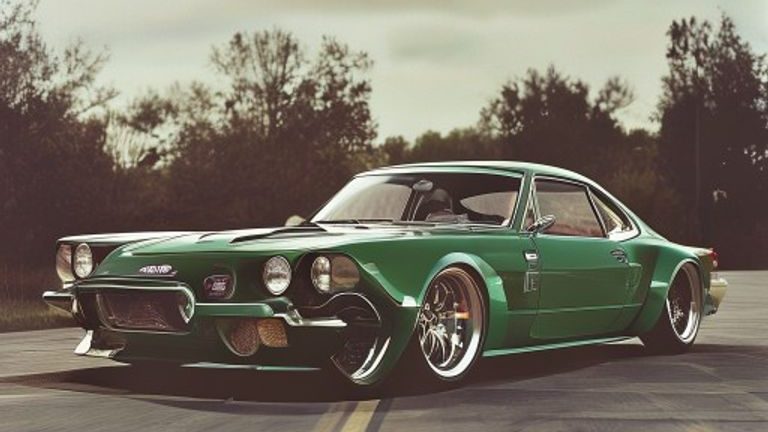
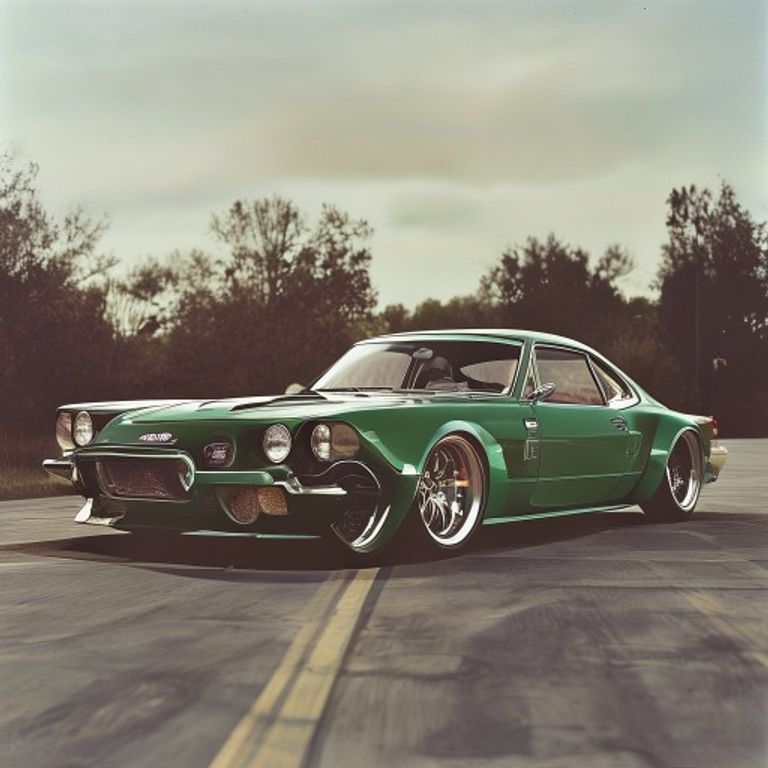
Visually, the Lotus Carlton maintained a sophisticated yet understated profile. Unlike many performance cars of its era that screamed their intentions, the Carlton’s modifications were subtle but effective. It featured wider wheel arches, a distinctive front bumper with larger air intakes, side skirts, and a unique rear spoiler. All production models were finished in a single color: Imperial Green, a deep, almost black hue that further enhanced its « sleeper » appeal. These design cues, combined with larger, specially designed 17-inch alloy wheels, hinted at its capabilities without being ostentatious.
Beyond the raw power, Lotus’s influence was most profoundly felt in the car’s handling dynamics. The suspension system was entirely re-tuned, featuring revised geometry, firmer springs, adaptive dampers, and a self-leveling rear suspension. Coupled with a strengthened differential and uprated brakes from AP Racing, the Lotus Carlton offered a level of composure, grip, and stopping power previously unseen in a car of its size and type. It wasn’t just fast in a straight line; it could corner with precision and confidence, making it a truly formidable driver’s car.
Rarity and Collectibility on Bring a Trailer
With only 950 examples produced globally (440 for the UK market as Vauxhall Carlton and 510 for mainland Europe as Opel Omega), the Lotus Carlton is an exceptionally rare vehicle. Its limited production, combined with its historical significance and groundbreaking performance, has ensured its place as a highly sought-after collector’s item. The appearance of one on Bring a Trailer is particularly noteworthy, as the platform specializes in curating unique and historically significant vehicles, connecting serious buyers with exceptional cars.
For enthusiasts, the chance to acquire a Lotus Carlton is more than just buying a car; it’s an opportunity to own a piece of automotive heritage, a vehicle that pushed boundaries and challenged perceptions. Its enduring appeal lies in its blend of brutal performance, executive comfort, and understated design – a true wolf in sheep’s clothing that continues to captivate decades after its debut.
A Timeless Icon
The Lotus Carlton remains a benchmark for high-performance sedans. Its innovative engineering, controversial top speed, and limited production cement its status as a timeless icon. Whether cruising effortlessly on the motorway or tackling challenging backroads, it offers an exhilarating experience that few cars, even modern ones, can match. Its appearance on Bring a Trailer serves as a powerful reminder of its legacy and a rare opportunity for a new custodian to experience the thrill of this legendary twin-turbo machine.
Source : https://www.caranddriver.com/news/a71107436/1992-lotus-carlton-bring-a-trailer-auction/