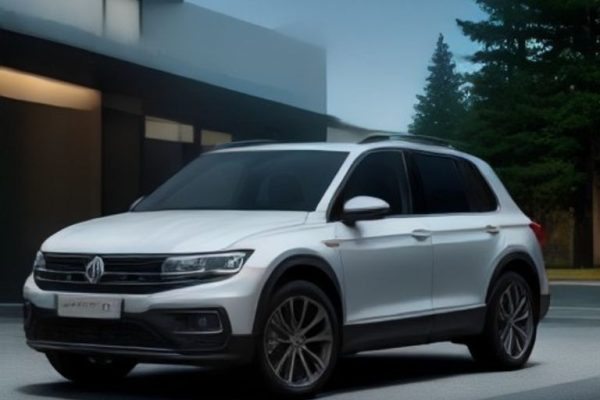



Hyundai’s strategic vision for the immediate future and the coming years has been clearly articulated by the company’s CEO, promising a wave of significant new model introductions. Enthusiasts and industry observers alike can anticipate the reveal of redesigned versions of two of Hyundai’s most popular vehicles, the Tucson compact SUV and the Elantra compact sedan, both confirmed to debut within the current year. These crucial updates to their core lineup will be swiftly followed by even more ambitious ventures, with the company also committing to launch a new dedicated plug-in-hybrid (PHEV) model and, notably, a robust body-on-frame pickup truck, both slated for arrival within the next three years.
Reinforcing Core Strengths: The New Tucson and Elantra
The announcement regarding the new Tucson and Elantra is a testament to Hyundai’s commitment to maintaining its competitive edge in two of the most hotly contested segments in the automotive market. The Tucson, a global best-seller for Hyundai, plays a pivotal role in the compact SUV category, a segment defined by fierce competition and evolving consumer demands for versatility, efficiency, and advanced technology. A new generation or significant refresh typically brings substantial updates in design language, interior comfort, infotainment systems, and powertrain options. This ensures the model remains fresh and compelling against a constant stream of rivals, often integrating the latest safety features and connectivity solutions.
Similarly, the Elantra has long served as a cornerstone of Hyundai’s sedan offerings, consistently delivering value, fuel efficiency, and style in the compact sedan segment. While SUVs have gained immense popularity, the compact sedan market remains vital globally, appealing to buyers seeking an accessible, economical, and reliable daily driver. A new Elantra is expected to build upon its legacy, likely showcasing advancements in its aerodynamic profile, interior ergonomics, and the integration of next-generation driver-assistance systems. These updates are crucial for the model to continue attracting a broad base of customers, particularly in markets where sedans still hold significant sway.
The ‘this year’ timeline for the Tucson and Elantra reveals underscores Hyundai’s agility and its dedication to keeping its bread-and-butter models at the forefront of their respective classes. These upcoming models will undoubtedly reflect the latest iterations of Hyundai’s design philosophy, alongside advancements in efficiency and in-cabin technology, critical elements for sustained success in today’s dynamic automotive landscape.
Expanding Electrification: A New Plug-in Hybrid Model
Beyond the immediate future, Hyundai’s CEO also confirmed a significant step forward in its electrification strategy with the introduction of a new plug-in hybrid model. This move solidifies Hyundai’s multi-pronged approach to powertrain diversification, complementing its existing portfolio of hybrid, plug-in hybrid, and battery-electric vehicles. Plug-in hybrids represent a crucial bridge technology for many consumers, offering the flexibility of limited all-electric driving for daily commutes coupled with the extended range and convenience of a traditional internal combustion engine for longer journeys.
The decision to launch a new PHEV model within the next three years highlights Hyundai’s responsiveness to global market trends, where demand for electrified vehicles continues to grow, driven by environmental consciousness, fuel cost savings, and evolving regulatory landscapes. Adding a new PHEV variant or an entirely new PHEV-specific model allows Hyundai to cater to a broader spectrum of environmentally conscious buyers who may not yet be ready for a full battery-electric vehicle, but are eager to reduce their carbon footprint and fuel consumption.
- Broader Market Appeal: PHEVs attract buyers looking for the best of both worlds – electric range for daily use and gasoline power for extended trips.
- Environmental Benefits: Reduced tailpipe emissions and improved overall fuel economy contribute to lower environmental impact.
- Technological Advancement: Showcases Hyundai’s continuous investment in advanced powertrain development and sustainable mobility.
- Regulatory Compliance: Helps the brand meet increasingly stringent global emissions targets and fuel efficiency standards.
Venturing into New Territory: The Body-on-Frame Pickup
Perhaps one of the most intriguing announcements is the confirmation of a body-on-frame pickup truck, also slated for release within the next three years. This represents a significant strategic expansion for Hyundai, which currently offers the unibody Santa Cruz, a lifestyle-oriented Sport Adventure Vehicle. A body-on-frame construction is characteristic of traditional, rugged pickup trucks, renowned for their superior towing capacity, payload capability, and durability, making them ideal for heavy-duty work and serious off-roading.
Entering the body-on-frame pickup segment signifies Hyundai’s ambition to compete directly in a highly lucrative and competitive market, particularly strong in regions like North America and Australia. This move suggests Hyundai aims to capture a new customer base – those who require the robust capabilities and ruggedness that only a traditional pickup can provide. It’s a clear signal that the brand is looking to diversify its product portfolio beyond its traditional passenger car and SUV strengths, tapping into a segment that prioritizes utility, strength, and durability.
The introduction of such a vehicle could significantly alter Hyundai’s brand perception, positioning it not just as a maker of reliable and stylish passenger vehicles, but also as a serious contender in the hard-working truck market. This expansion could open up new avenues for sales, particularly with commercial fleets and consumers who demand uncompromising performance for towing trailers, carrying heavy loads, or tackling challenging terrains. The timeline of ‘next three years’ allows Hyundai ample opportunity for development and refinement to ensure its entry into this demanding segment is both impactful and competitive.
- Market Diversification: Entry into a highly profitable segment distinct from current offerings.
- Enhanced Brand Image: Projects an image of ruggedness, capability, and versatility for the Hyundai brand.
- New Customer Base: Attracts buyers needing serious towing, hauling, and off-road capabilities.
- Global Potential: Targets key truck markets where body-on-frame pickups are dominant.
Hyundai’s Comprehensive Strategic Vision
In summation, the announcements from Hyundai’s CEO paint a picture of a company with a clear and comprehensive strategic vision for growth and market relevance. By simultaneously refreshing its top-selling core models like the Tucson and Elantra this year, advancing its electrification efforts with a new PHEV, and boldly entering the traditional pickup truck market within the next three years, Hyundai is demonstrating a commitment to innovation, market responsiveness, and sustained expansion across diverse segments.
This roadmap underscores Hyundai’s proactive approach to meeting evolving consumer demands and navigating the complexities of the global automotive industry. It promises an exciting period for the brand, with a steady stream of new products designed to reinforce its position in established segments, capitalize on emerging trends, and forge new paths in previously unexplored territories.
Source : https://www.caranddriver.com/news/a70858521/hyundai-tucson-elantra-reveals-confirmed/