




Hyundai Hints at Design Evolution for Future Ioniq EVs, Moving Beyond Signature Pixel Lighting
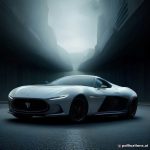
Hyundai, a significant player in the rapidly expanding electric vehicle market, appears to be signaling a potential evolution in the distinctive design language of its Ioniq sub-brand. The Korean automaker recently offered intriguing hints regarding future electric concepts, provisionally dubbed “Venus” and “Earth,” suggesting a possible departure from the iconic Parametric Pixel lighting that has become a hallmark of its current Ioniq EV lineup. These forthcoming concepts are reportedly set to showcase a simpler, more angular LED lighting aesthetic, representing a shift from the precise, square pixelated motifs familiar on models such as the Ioniq 5 and Ioniq 6.
Since its launch, the Ioniq brand has garnered widespread acclaim, not only for its cutting-edge electric powertrains and innovative interior spaces but also, and perhaps most strikingly, for its bold and instantly recognizable exterior design. Central to this visual identity has been the Parametric Pixel lighting signature. This unique design element, drawing inspiration from early digital graphics, has imbued vehicles like the retro-futuristic Ioniq 5 and the streamlined Ioniq 6 with a distinctive character. These precisely arranged lighting units, whether illuminating the headlights, taillights, or even subtle interior accents, have served as a powerful brand identifier, helping Hyundai’s Ioniq vehicles carve out a unique presence in an increasingly competitive electric vehicle landscape.
The choice of a pixelated design was a deliberate artistic statement, aiming to evoke a sense of digital advancement and a nostalgic nod to the past while firmly pointing towards the future. It forged a consistent and cohesive visual thread across the initial Ioniq offerings, signaling that these were not just new cars, but a new paradigm of electric mobility from Hyundai. The resounding success of this design strategy is evident, with both the Ioniq 5 and Ioniq 6 accumulating numerous international accolades and firmly establishing Hyundai as a formidable contender in the premium electric vehicle segment.
However, the automotive industry is characterized by constant innovation and evolving trends. Even the most successful design languages are rarely static for long. It is within this dynamic context that Hyundai’s recent allusions to the “Venus” and “Earth” concepts become particularly significant. While concrete details about these concepts remain largely undisclosed, the indication that they would eschew the signature pixel lighting in favor of “simpler, angular LEDs” suggests a thoughtful exploration of new visual directions for the Ioniq brand’s next generation of vehicles. This move should not necessarily be interpreted as an outright abandonment of the brand’s core identity, but rather as a potential refinement or expansion of its evolving design vocabulary.
There are several strategic considerations that might prompt an automaker to evolve a successful design signature. Firstly, as a brand matures and broadens its product portfolio, there can arise a need for greater design differentiation across its various models. While the pixel lighting has effectively unified the initial Ioniq offerings, future vehicles within the sub-brand might benefit from a more distinct visual identity that still feels intrinsically part of the family but offers a fresh and unique aesthetic. Simpler, angular LED designs could provide a cleaner, more contemporary appearance, allowing for greater flexibility in vehicle sculpting and styling, potentially appealing to a wider spectrum of customer tastes or catering to diverse vehicle segments.
Secondly, design trends are inherently fluid and subject to change. What appears avant-garde today might give way to new interpretations of modernity tomorrow. By experimenting with angular LED designs, Hyundai could be proactively future-proofing its aesthetic, ensuring that its subsequent wave of Ioniq models remains at the forefront of contemporary design and desirability. Furthermore, while speculative, simpler lighting elements can sometimes offer advantages in terms of manufacturing complexity and cost efficiency, depending heavily on the specific technological implementation and design execution.
The inherent nature of concept cars, such as “Venus” and “Earth,” is also crucial to understanding this potential design shift. Concept vehicles serve as vital exploratory platforms, enabling designers and engineers to push creative boundaries, test novel ideas, and gauge public reaction without the immediate constraints and imperatives of mass production. They are not always direct blueprints for production models but rather powerful indicators of a brand’s strategic thinking, technological direction, and future design aspirations. Therefore, the lighting style showcased on these concepts could represent a new design pillar that will inform subsequent production Ioniq vehicles, perhaps coexisting with pixel lighting or taking precedence in certain future models.
For automotive enthusiasts and discerning consumers, this potential design pivot will undoubtedly be a subject of keen observation. The Ioniq brand has successfully forged a robust and unique identity with its current aesthetic. A shift towards simpler, angular LEDs could signal a more minimalist, perhaps even more universally appealing, design direction. This raises compelling questions about how Hyundai intends to maintain its strong brand recognition while subtly evolving its visual language. Will future Ioniq models manage to retain the innovative spirit and distinctive character that defined their predecessors, even with a modified lighting signature?
Ultimately, while the Parametric Pixel lighting has been a defining characteristic of Hyundai’s initial Ioniq success and a key part of its brand identity, the realm of automotive design is relentlessly dynamic. The hints surrounding the “Venus” and “Earth” concepts strongly suggest that Hyundai is actively exploring new facets of its electric vehicle design philosophy. This potential evolution, moving towards simpler, angular LEDs, could signify the beginning of an exciting new chapter for the Ioniq brand, promising a future that deftly balances iconic recognition with forward-thinking design adaptation.
Source : https://www.caranddriver.com/news/a70943721/hyundai-ioniq-venus-earth-concepts-teaser/