
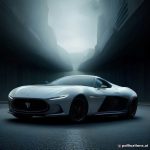


Hyundai has hinted at a significant design evolution for its Ioniq electric vehicle lineup, potentially moving away from its distinctive pixel lighting. This shift was suggested by two electric concepts, reportedly named « Venus » and « Earth, » which showcased simpler, angular LED lighting elements. This indicates Hyundai’s exploration of new aesthetic directions for its Ioniq sub-brand, signaling a dynamic future for its design language.
The pixelated lighting has been a defining feature of the Ioniq brand, seen prominently on models like the Ioniq 5 and Ioniq 6. This unique aesthetic, with its retro-futuristic charm and digital matrix patterns, successfully established a recognizable visual identity. It effectively differentiates Ioniq vehicles in the competitive EV market, contributing to its distinct brand appeal.
The « Venus » and « Earth » concepts, however, present a contrasting vision. Concept cars serve as platforms for automakers to explore design possibilities and test new aesthetics without committing to production. These particular concepts appear to signal a deliberate exploration of an alternative style for the Ioniq range, hinting at a potential departure from the familiar pixel motif.
Reasons for the Potential Shift
Several factors could drive this potential shift. Design evolution is a continuous process for any automotive brand; while the pixel aesthetic launched Ioniq successfully, automakers regularly refresh their visual language. Additionally, manufacturing and cost efficiencies might play a role, as simpler, angular LED configurations could offer advantages in production or maintenance compared to intricate pixel arrays.
Brand differentiation within the expanding Ioniq family is another consideration. As more vehicles join the lineup, varied lighting signatures might help distinguish individual models or segments, allowing each car to have its own character. Evolving market trends and consumer preferences are also significant, as simpler, more integrated designs often align with contemporary minimalist aesthetics in advanced automotive design.
Lighting’s Critical Role in EVs
In the electric vehicle era, lighting design has become even more critical. With traditional grilles less central to vehicle aesthetics, front and rear lighting signatures are paramount for establishing brand identity, conveying values, and creating emotional connection with consumers. They define the modern « face » and « signature » of a car.
For the Ioniq brand, pixel lighting has been fundamental to its unique appeal and instant recognition. Therefore, any modification or alternative to this signature element indicates a carefully considered strategic decision. It reflects Hyundai’s continuous innovation in its aesthetic vision for sustainable mobility and future EV offerings.
Future Implications for Ioniq
It’s important to view concept cars as exploratory. The angular LEDs on « Venus » and « Earth » don’t necessarily signal an immediate, complete overhaul of pixel lighting across all future Ioniq models. Instead, it likely represents an exploration of complementary design languages or a potential new direction for specific upcoming vehicles within the Ioniq range.
This dynamic approach suggests Hyundai’s proactive stance in design. The potential integration of simpler, angular aesthetics could lead to a more diversified visual portfolio for the brand, offering greater design flexibility and adaptability to evolving market demands, while maintaining a cohesive, forward-thinking identity for Ioniq.
Ultimately, these hints from Hyundai, showcased via the « Venus » and « Earth » concepts, highlight the brand’s dedication to pushing design boundaries in the EV sector. Whether this signals a complete aesthetic shift or a diversification, it promises an exciting and evolving future for Hyundai’s innovative electric vehicle offerings, keeping them at the forefront of automotive design and technology.
Source : https://www.caranddriver.com/news/a70943721/hyundai-ioniq-venus-earth-concepts-teaser/