


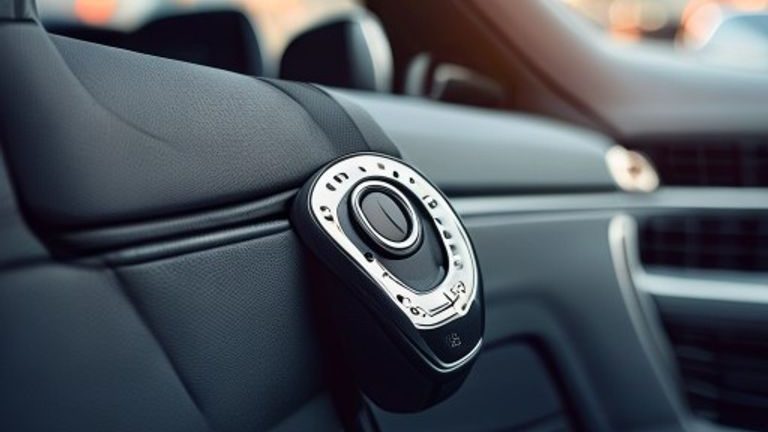
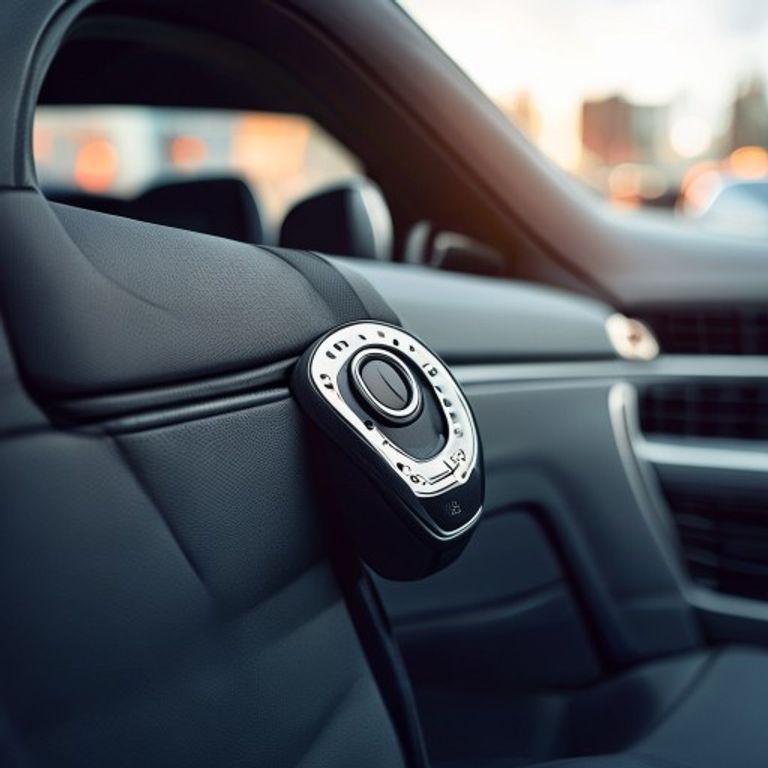
Hyundai Motor Company has announced a significant safety recall affecting approximately 47,000 units of its popular Kona and Kona Electric SUV models. The recall addresses a critical concern related to the rear center seatbelt, which may not adequately secure occupants during a collision. Owners and passengers are specifically advised against using this particular seating position until the necessary repair has been performed by an authorized Hyundai service center.
Understanding the Critical Safety Concern
The core of this recall revolves around the rear center seatbelt’s potential failure to properly restrain a passenger in the event of a crash. A seatbelt is the primary safety device designed to hold an occupant securely in their seat, preventing them from being ejected from the vehicle or colliding with interior surfaces during an impact. If a seatbelt does not function as intended, the risk of serious injury or fatality for the passenger in that position dramatically increases.
While the exact technical details of the defect causing this issue have not been broadly disclosed in the initial announcement, the implication is clear: the mechanism or integrity of the rear center seatbelt in the affected vehicles could be compromised. This specific focus on the ‘rear center’ position suggests a design or manufacturing anomaly unique to that particular seating location’s restraint system, rather than a universal seatbelt issue across all seating positions. The manufacturer’s warning to avoid using this seat underscores the severity of the potential risk, indicating that it could fail to perform its most fundamental life-saving function when it is needed most.
Scope of the Recall: Affected Models and Quantity
The recall impacts a substantial number of Hyundai’s subcompact SUVs, specifically the Hyundai Kona and its electric counterpart, the Kona Electric. The estimated figure of 47,000 vehicles highlights the widespread nature of this potential safety defect across a significant portion of these models. Both gasoline-powered and electric versions of the Kona are included, indicating that the issue is likely related to a shared component or design aspect of the vehicle’s rear seating structure, rather than powertrain differences.
Owners of these vehicles, particularly those who frequently transport passengers in the rear, are urged to pay close attention to this recall. The large number of affected units means that many families and individuals rely on these vehicles for daily transport, making prompt awareness and action critical for ensuring the safety of all occupants. Hyundai, like all responsible automotive manufacturers, is obligated to address such safety concerns to comply with stringent automotive safety standards and to uphold the trust placed in their vehicles by consumers.
What Owners Need to Know and Do
For owners of the recalled Hyundai Kona and Kona Electric SUVs, the immediate and most crucial piece of advice is to refrain from using the rear center seat for any passenger. This precaution should be observed immediately upon learning of the recall, even before receiving official notification from Hyundai. Taking this simple step can mitigate the risk of injury should an unforeseen incident occur.
Hyundai will initiate the process of notifying all affected vehicle owners by mail. These notifications will provide detailed instructions on how to proceed, including information on scheduling a free repair at an authorized Hyundai dealership. It is imperative for owners to act upon receiving this official communication. The repair, which will be performed at no cost to the owner, aims to rectify the defect in the rear center seatbelt, restoring its intended safety functionality.
- Avoid Using the Rear Center Seat: Do not allow passengers to sit in the rear center seat of your Kona or Kona Electric until the recall repair is completed.
- Await Official Notification: Keep an eye out for a recall notice from Hyundai, which will contain specific instructions.
- Contact Your Dealership: Once notified, or if you have concerns prior to notification, contact your local authorized Hyundai dealer to schedule the necessary repair.
- Confirm VIN Status: Owners can also check their vehicle’s VIN (Vehicle Identification Number) on Hyundai’s official recall website or relevant national safety administration websites to confirm if their specific vehicle is included in the recall.
Hyundai’s Commitment to Safety
Automotive recalls, while sometimes inconvenient, are a vital component of a manufacturer’s ongoing commitment to vehicle safety and customer well-being. They demonstrate a proactive approach to identifying and correcting potential defects that could compromise occupant safety. When a potential hazard is identified, manufacturers are legally and ethically bound to issue a recall, inform affected owners, and provide a remedy free of charge. This process ensures that vehicles on the road meet the highest safety standards throughout their operational life.
Hyundai’s swift action in issuing this recall for the Kona and Kona Electric models underscores its dedication to adhering to safety regulations and prioritizing the protection of its customers. While the news of a recall can be unsettling, it is ultimately a positive indicator that the manufacturer is actively monitoring vehicle performance and taking decisive steps to address any issues that may arise, reinforcing the importance of rigorous quality control and safety checks in modern vehicle manufacturing.
The Paramount Importance of Seatbelts
Seatbelts are arguably the most effective safety device in a vehicle, proven over decades to significantly reduce the risk of injury and fatality in a crash. They work by distributing the forces of an impact across the strongest parts of the body, preventing the occupant from being thrown forward or sideways, and maintaining them within the protective ‘safety cage’ of the vehicle’s interior. Every single seating position in a modern vehicle is equipped with a seatbelt system that is meticulously designed and tested to withstand significant forces.
Therefore, any defect, however minor it may seem, in a seatbelt’s ability to perform its function is considered extremely serious. The integrity of each seatbelt is non-negotiable, and manufacturers invest heavily in engineering and testing these critical components. This recall serves as a stark reminder of the continuous need for vigilance in vehicle safety, both from manufacturers in their design and production processes, and from owners in ensuring their vehicles are properly maintained and any safety alerts are promptly addressed.
Moving Forward for Kona and Kona Electric Owners
Hyundai Kona and Kona Electric owners should prioritize this recall to ensure the safety of all their passengers. By following the manufacturer’s advice to avoid using the rear center seat and promptly scheduling the required repair, owners can restore the full safety functionality of their vehicle. This proactive approach is essential for maintaining peace of mind and upholding the highest standards of passenger safety on every journey.
Source : https://www.caranddriver.com/news/a73191371/hyundai-kona-47k-recalled-seatbelt-issue/