
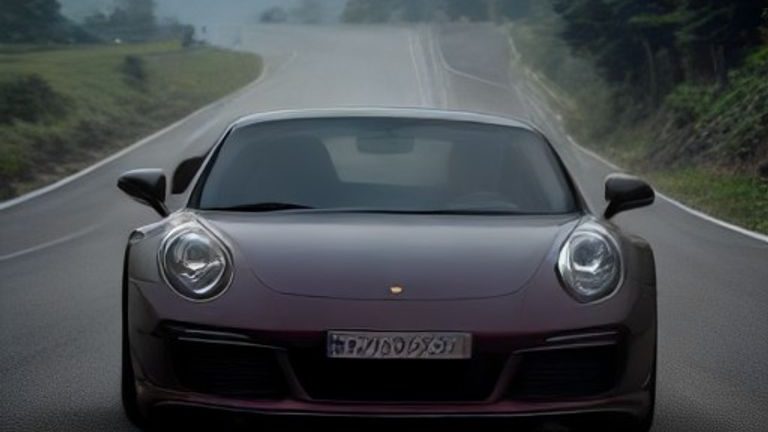
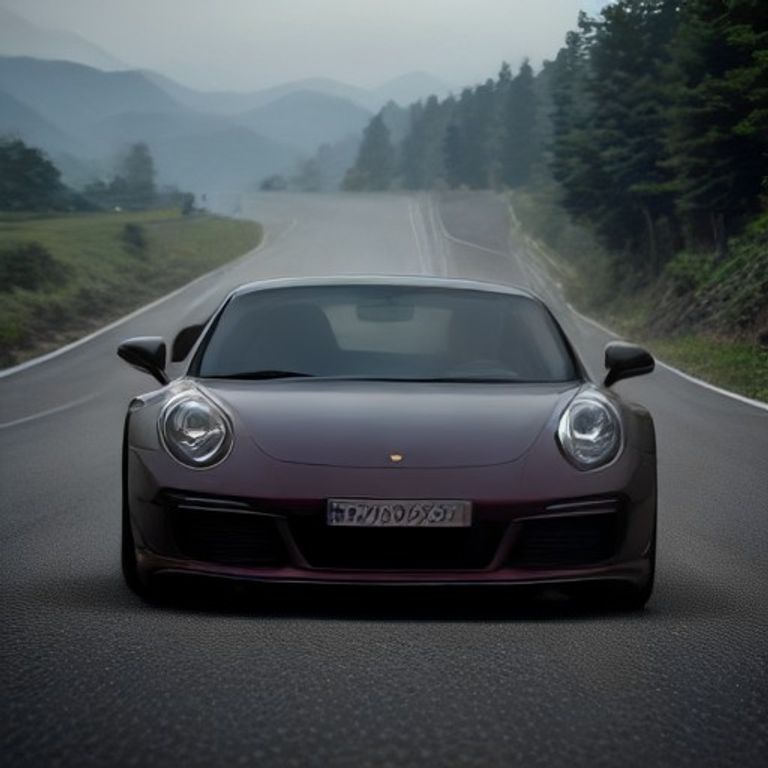
The Stick-Shift 2027 Porsche 911 Carrera S Wasn’t Supposed to Happen
In an era increasingly dominated by paddle shifters, electric powertrains, and autonomous driving ambitions, the very notion of a new sports car offering a manual transmission can feel like a nostalgic whisper from a bygone era. Yet, for the upcoming 2027 Porsche 911 Carrera S, a stick shift option is indeed on the horizon – a development that, by all accounts, was far from a foregone conclusion. This isn’t merely a quiet addition to a spec sheet; it’s a testament to the power of dedicated advocacy and a deep understanding of a crucial market segment. The story behind its existence reveals a fascinating internal struggle within one of the world’s most revered automotive brands.
The core of this compelling narrative lies in a significant internal negotiation: Porsche’s North American leadership had to convince their German counterparts that bringing back the manual Carrera S was worth the investment. This single statement encapsulates a complex interplay of market demands, manufacturing realities, and the enduring passion for the traditional driving experience.
The Global Imperative: Why German Leadership Might Have Hesitated
From the perspective of Porsche’s global headquarters in Zuffenhausen, the decision to offer a manual transmission, especially in a volume model like the Carrera S, is fraught with challenges. The automotive industry as a whole is rapidly moving away from manuals, driven by several overarching trends that impact product planning and development:
- Declining Global Demand: Outside of a few niche markets, the global sales volume for manual transmissions continues to dwindle. Developing and certifying a manual variant for a low-take-rate option can be difficult to justify from a purely economic standpoint.
- Manufacturing Complexity: Introducing a distinct transmission option adds complexity to the production line, requiring different parts, tooling, and potentially separate assembly processes. Streamlining production for efficiency often means reducing variations.
- Performance & Efficiency Metrics: Modern automatic transmissions, particularly Porsche’s acclaimed PDK, are often faster, more fuel-efficient, and capable of handling higher power outputs than their manual counterparts. Emissions regulations increasingly favor the efficiency of automatics.
- Focus on Future Technologies: Porsche, like all major automakers, is heavily investing in electrification, advanced driver-assistance systems, and digital integration. Allocating engineering resources to a traditional, low-volume option might seem at odds with these forward-looking priorities.
- Cost-Benefit Analysis: The R&D, testing, and production costs associated with re-introducing or refining a manual gearbox for a specific model must be weighed against its potential revenue and strategic benefits.
Given these formidable headwinds, it is understandable that the German leadership might initially have viewed the reintroduction of a manual Carrera S as an unnecessary complication or a diversion of valuable resources.
North America’s Stand: A Market Unlike Any Other
Despite the global trends, the North American market, particularly the United States, stands as a unique bastion for enthusiasts who still covet the tactile engagement of a manual gearbox. This cultural preference forms the bedrock of the North American leadership’s persuasive argument.
- Strong Enthusiast Base: A significant and vocal segment of Porsche buyers in North America are deeply rooted purists who prioritize driver involvement above all else. For them, a manual transmission is not merely an option but a defining characteristic of a true sports car.
- Brand Heritage and Purity: The 911’s legacy is inextricably linked with manual shifting. Offering a manual Carrera S reinforces the brand’s commitment to its sporting heritage and caters to those who view the manual as the ‘purest’ expression of a Porsche.
- Competitive Differentiator: As more competitors abandon manual options, offering one can become a unique selling proposition, attracting buyers who might otherwise look elsewhere for a more engaging experience.
- Customer Loyalty and Engagement: Catering to the desires of a dedicated, high-value customer base is crucial for maintaining brand loyalty and fostering a strong community. The manual option is seen by many as a direct response to customer feedback.
- The Joy of Driving: Beyond metrics, the North American argument likely emphasized the emotional connection and unparalleled driving joy that a manual gearbox provides, especially in a car as renowned for its driver engagement as the 911.
The Art of Persuasion: Building a Business Case
The process of convincing a global automotive giant like Porsche to invest in a low-volume, traditional option is undoubtedly rigorous. It would have involved more than just passionate pleas; it required a meticulously constructed business case. North American leadership would have presented compelling data, including extensive market research, customer surveys, and detailed sales projections that demonstrated a viable, albeit niche, demand for the manual Carrera S. Their proposals would have been bolstered by an understanding of the competitive landscape and the strategic value of maintaining a diverse product offering that appeals to the brand’s core clientele. This isn’t a battle won on sentiment alone, but through strategic insights demonstrating a clear, albeit perhaps modest, return on investment and significant brand equity benefits.
A Dwindling Breed: The Manual Transmission’s Struggle
The journey of the manual transmission in the 911 series itself mirrors the broader industry trend. For years, the manual option has become increasingly exclusive, often reserved for high-performance GT variants or special editions. Its presence in the standard Carrera S, a core model, marks a significant departure from this trajectory. This decision underscores Porsche’s unique position in the market – a brand that, while embracing technological advancement, remains deeply connected to the analog soul of driving.
The Implications: More Than Just a Gear Lever
The successful advocacy for the manual 2027 Porsche 911 Carrera S is more than just a win for traditionalists. It sends a powerful message: that driver engagement and choice still matter, even at the highest echelons of automotive engineering. It highlights Porsche’s willingness to listen to key regional market demands and adapt its global strategy accordingly. For enthusiasts, it’s an affirmation that the pure, unadulterated joy of operating a precisely engineered machine with three pedals and a stick remains a valued experience worth fighting for.
Ultimately, the manual 2027 Porsche 911 Carrera S stands as a testament to the enduring power of passion within the automotive world. It’s a reminder that while technology relentlessly pushes forward, there’s still a significant segment of the market that craves the visceral connection that only a stick shift can provide. Its existence is a hard-won victory, ensuring that the spirit of hands-on driving will continue to thrive in the iconic 911 for at least another generation.
Source : https://www.caranddriver.com/news/a73457674/porsche-north-america-ceo-manual-transmission/