
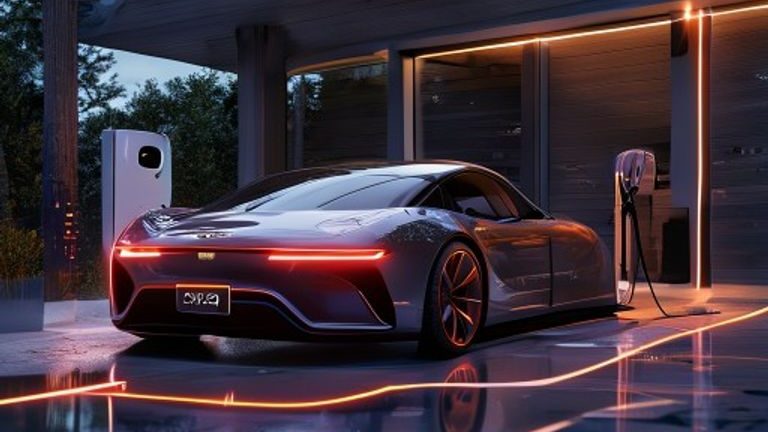
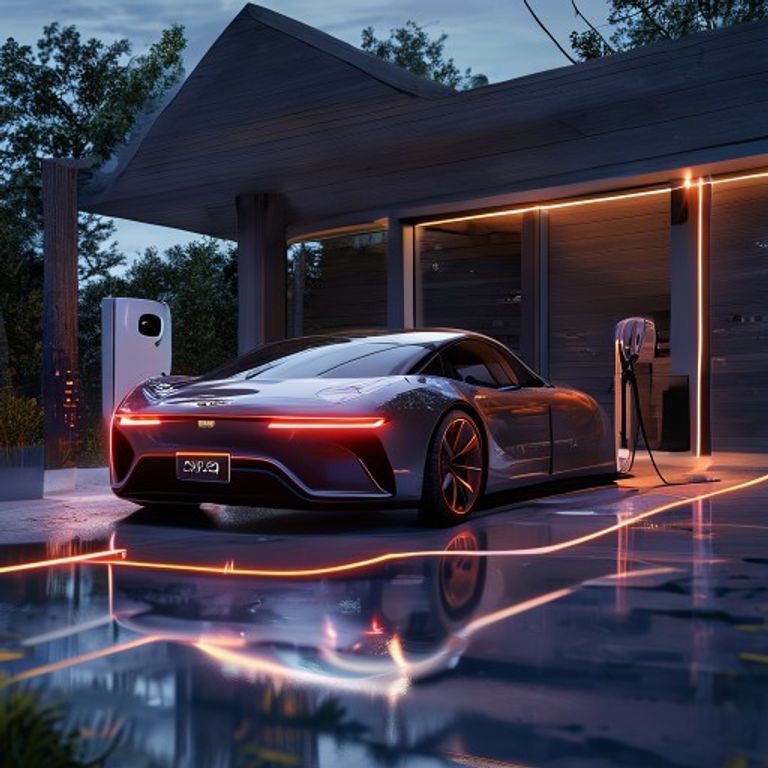
Embracing electric vehicle ownership brings numerous benefits, from reduced emissions to lower running costs. To truly maximize the convenience and efficiency of your EV, high-voltage home charging equipment is indispensable. A dedicated charging setup at home ensures your vehicle is always primed for your next journey, eliminating the need to frequently rely on public charging infrastructure.
For many EV owners, the profound convenience of recharging overnight is a primary advantage. It eradicates daily range anxiety, making EV ownership remarkably seamless. However, with an expanding market of home EV charging solutions, selecting the appropriate unit requires understanding key considerations. This guide aims to clarify essential factors for an optimal home charging experience.
Benefits of Home EV Charging
While public charging networks are expanding, home charging offers unparalleled advantages:
- Ultimate Convenience: Plug in your vehicle overnight and wake to a fully charged battery, ready for the day.
- Cost-Effectiveness: Charging at home, especially during off-peak electricity hours, is typically more economical than public fast chargers.
- Time Savings: Avoid detours and waiting times associated with public charging stations.
- Daily Readiness: Guarantees your EV is consistently charged and prepared for routine and spontaneous trips.
Understanding Home EV Charging Levels
Home charging primarily utilizes two distinct levels, each offering different charging speeds:
- Level 1 Charging: Uses a standard 120-volt household outlet. Most EVs include a Level 1 cord. While universally accessible and requiring no special installation, it’s very slow (2-5 miles of range per hour). Best suited for plug-in hybrids, minimal daily driving, or as an emergency backup.
- Level 2 Charging: The standard for residential EV charging, Level 2 units operate on a 240-volt circuit. Professional installation of a dedicated circuit is required. These provide significantly faster speeds (20-60 miles of range per hour), allowing most EV batteries to fully replenish overnight. This is the ideal choice for daily EV use.
Level 3 (DC Fast Charging) is exclusive to public stations due to its high power demands and is not applicable for home installation.
Essential Factors for Selecting a Home EV Charger
When evaluating home EV charging units, several critical elements will influence your decision, affecting charging efficiency, user experience, and long-term satisfaction.
Charging Speed (Amperage and Kilowattage)
A Level 2 unit’s speed is largely determined by its amperage (commonly 16 to 80 amps). Faster charging comes with higher amperage, but selection must align with your EV’s maximum acceptance rate and your home’s electrical panel capacity. Aim for a balance that meets current needs and offers some future-proofing without overstraining your vehicle or electrical system.
Connectivity and Smart Features
Modern « smart » EV chargers often feature Wi-Fi connectivity, offering enhanced control and convenience:
- Remote Control & Monitoring: Manage charging sessions, track progress, and review history via a smartphone app.
- Scheduled Charging: Program charging for off-peak electricity hours to reduce costs.
- Energy Management: Monitor power consumption and costs.
- Over-the-Air Updates: Receive software enhancements and new functionalities.
These features are particularly beneficial for multi-EV households or smart home integration.
Cable Length and Connector Standards
Ensure the cable length comfortably reaches your EV’s charging port. The J1772 connector is the universal standard for Level 2 charging in North America. Tesla vehicles utilize an adapter for J1772 chargers, ensuring broad compatibility.
Durability, Weather Resistance, and Safety
For outdoor installations, prioritize chargers with appropriate NEMA ratings (e.g., NEMA 3R or 4) for weather protection. Always select units with recognized safety certifications, such as UL or ETL, to guarantee they meet stringent safety standards.
Installation Complexity and Associated Costs
Professional installation by a licensed electrician is mandatory for Level 2 chargers. This involves running a dedicated 240-volt circuit from your electrical panel. Costs vary based on wiring complexity, potential electrical panel upgrades, and local labor rates. Always consult a qualified electrician to assess your home’s electrical capacity and determine the optimal installation method.
Optimizing Your Home Charging Experience
Once your home charging system is operational, employ these strategies for maximum benefit:
- Leverage Off-Peak Rates: Inquire with your electricity provider about time-of-use (TOU) rates and schedule charging during these periods for significant savings.
- Prioritize Battery Longevity: For routine driving, aim to charge your EV to about 80% to extend battery life, reserving 100% charges for longer trips.
- Maximize Smart Features: Utilize app controls, energy tracking, and scheduling tools to tailor charging to your lifestyle and budget.
Conclusion
Investing in a home EV charging solution is a pivotal step towards a truly integrated and enjoyable electric vehicle ownership experience. By focusing on key elements such as charging speed, smart features, cable length, durability, and professional installation, you can select a unit perfectly aligned with your present needs and future electric mobility goals, maximizing the convenience, efficiency, and pleasure of driving an electric vehicle.
Source : https://www.caranddriver.com/shopping-advice/a39917614/best-home-ev-chargers-tested/