


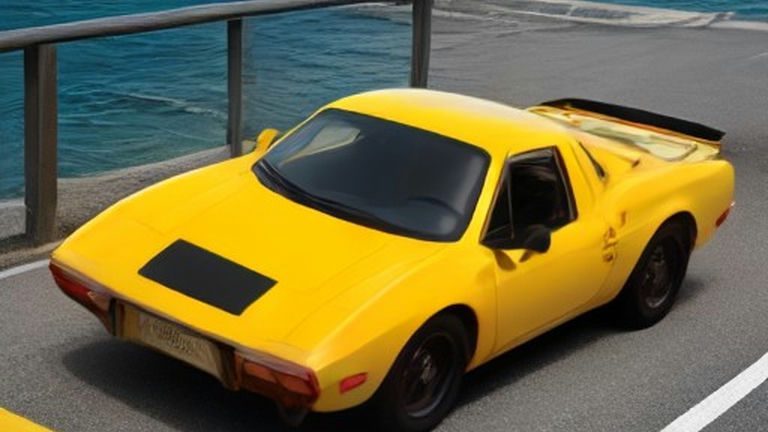
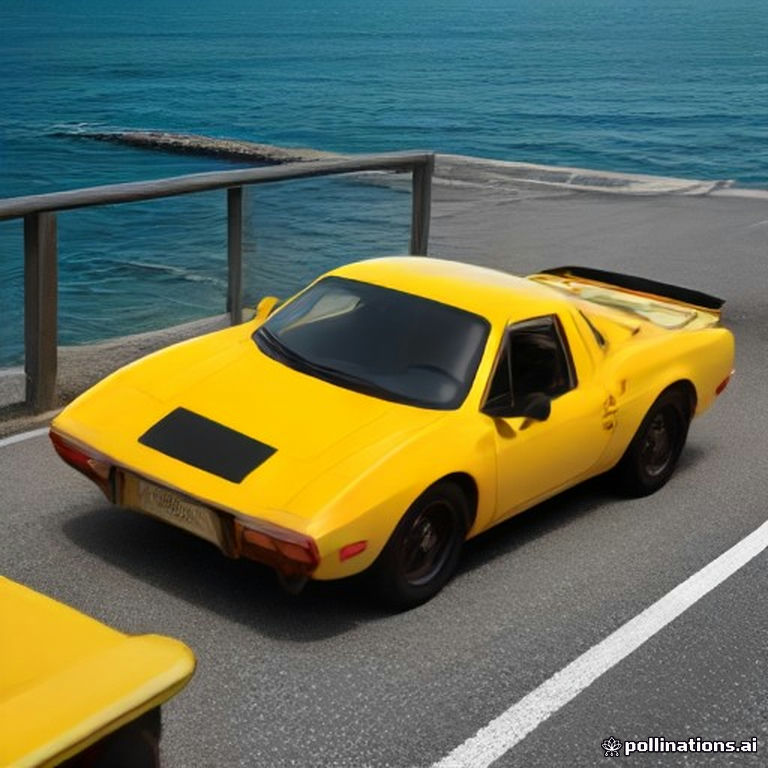
The Meyers Manx SR: A Bold Vision for the Next Generation of Fun on Wheels
When most enthusiasts hear the name Meyers Manx, an image of an open-air, joyful fiberglass body atop a Volkswagen Beetle chassis immediately comes to mind. It’s the quintessential dune buggy, an icon of freedom and California counter-culture. However, the inventive mind of Bruce Meyers wasn’t content to rest solely on the laurels of his initial triumph. As the 1960s waned and the ’70s dawned, Meyers and his team embarked on a new project, aiming to evolve the Manx concept into something more refined, more enclosed, and indeed, more car-like. This ambition materialized in the Meyers Manx SR—SR standing for ‘Sports Roadster’—a vehicle boldly billed as ‘the sports car of the Seventies,’ and a prime example of which has recently been seen listed for sale on Bring a Trailer.
The Manx SR represented a significant departure from its predecessor’s minimalist design. While the original Manx was an exercise in stripped-down functionality and sheer open-air exhilaration, the SR aimed for a different niche. It sought to marry the Manx’s go-anywhere spirit and lightweight fiberglass construction with the comforts and aesthetics typically associated with a conventional sports car of its era. This was a sophisticated evolution, designed to appeal to a broader audience who might appreciate the unique character of a Manx but desired more protection from the elements, greater security, and a more polished appearance for everyday driving.
From Open-Air Fun to Enclosed Sportiness: The SR’s Design Philosophy
The design philosophy behind the Manx SR was rooted in an understanding that the automotive landscape was shifting. While the pure dune buggy maintained its appeal, Bruce Meyers envisioned a market for a vehicle that offered the performance and handling of a lightweight car, combined with the distinctive styling and customizability that Manx owners cherished. The SR was conceived not merely as a successor but as an alternative, a more grown-up interpretation of the Manx spirit. Its sleeker, more aerodynamic profile, often featuring fixed roofs or removable hardtops, and notably, the option of distinctive gull-wing doors, set it apart immediately.
Underneath its revolutionary fiberglass skin, the SR typically retained the reliable, economical, and readily available Volkswagen Beetle chassis. This strategic choice was crucial for several reasons:
- Accessibility: VW Beetle parts were abundant and affordable, making maintenance and customization straightforward.
- Proven Engineering: The Beetle’s chassis, suspension, and air-cooled flat-four engine provided a robust and well-understood platform.
- Lightweight: The combination of a fiberglass body and a relatively light VW chassis ensured a favorable power-to-weight ratio, contributing to its sporty performance.
The SR’s wheelbase was often shortened compared to a standard Beetle, though not as dramatically as the original Manx, contributing to its more stable, car-like handling characteristics. Owners could choose to fit various VW engines, from the standard 1200cc units to more potent 1600cc or even aftermarket modified powerplants, allowing for a range of performance levels to suit individual preferences. This flexibility further cemented its appeal as a custom-built sports machine.
The ‘Sports Car of the Seventies’ Claim and Its Legacy
The bold claim of being ‘the sports car of the Seventies’ was not just marketing bravado; it reflected the SR’s capabilities relative to its construction and price point. While it wouldn’t out-perform a Porsche 911 or a Corvette, it offered a unique blend of attributes:
- Agile Handling: Its lightweight body and Volkswagen underpinnings made it nimble and fun to drive.
- Distinctive Styling: The SR’s futuristic, enclosed design, often with its characteristic gull-wing doors, made it an undeniable head-turner.
- Customization Potential: Like its predecessor, the SR offered a blank canvas for owners to personalize their vehicle with different colors, engines, and interior treatments.
- Affordability: Compared to purpose-built sports cars, the kit car nature of the SR made it a more accessible dream for many enthusiasts.
Despite its innovative design and ambitious marketing, the Manx SR never achieved the mass market success of the original Manx. Its more complex construction, higher price point, and the changing regulatory environment for kit cars in the 1970s contributed to its limited production numbers. However, this scarcity has only enhanced its allure among collectors today. Each Manx SR that surfaces, particularly on platforms like Bring a Trailer, represents a rare piece of automotive history – a testament to a period of boundless innovation and creative expression in vehicle design.
Today, the Meyers Manx SR stands as a fascinating footnote in the history of kit cars and recreational vehicles. It’s a compelling example of an innovator pushing boundaries, attempting to bridge the gap between playful utility and genuine sporting aspirations. For those who appreciate unique design, Volkswagen-based performance, and a slice of West Coast automotive eccentricity, the Manx SR remains an object of considerable desire, offering a distinctive driving experience that truly embodies the spirit of its ‘sports car of the Seventies’ moniker, making its appearance on the collector market a noteworthy event for enthusiasts worldwide.