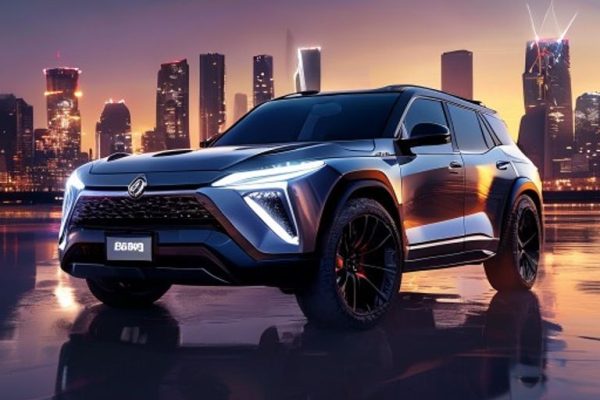



The Abrupt End of the Electric Volvo EX30 in the U.S. Market
In a surprising development that has caught many in the automotive world off guard, the Electric Volvo EX30 has reportedly been discontinued for the United States market. This startling news comes at a remarkably swift pace, particularly given that the subcompact SUV only just commenced its arrival for the 2025 model year. The announcement effectively means a truncated and exceptionally brief tenure for a vehicle that was anticipated to be a cornerstone of Volvo’s electric vehicle expansion in America. Sources indicate that Volvo has already made the decision to discontinue the model, leading to immediate speculation and widespread discussion about the underlying factors behind such a swift strategic reversal.
The headline, stating the EX30 is ‘dead in the U.S. after just two years,’ refers to its relatively recent global reveal in June 2023, positioning it as a fresh face in the burgeoning electric vehicle segment. However, its U.S. market availability was only just beginning with the 2025 model year, making the discontinuation news all the more jarring for prospective buyers and industry observers alike.
A Brief Yet Promising Introduction to the American Market
The Volvo EX30 entered the global stage with considerable optimism and strategic importance. It was positioned as the brand’s smallest, most accessible, and most affordable electric SUV, designed to broaden Volvo’s appeal to a new generation of buyers seeking sustainable mobility solutions without compromising on Scandinavian design or cutting-edge technology. For the U.S. market, specifically, its arrival was eagerly anticipated to fill a crucial niche in Volvo’s electrified lineup, offering a compact, agile option that complemented the larger XC40 Recharge and the upcoming flagship EX90.
Prior to this announcement, the EX30 garnered attention for its sleek, minimalist aesthetic, its commitment to sustainable interior materials, and its projected competitive pricing, which aimed to make premium electric ownership more attainable. Its technical specifications promised robust performance, including quick acceleration and a respectable electric range suitable for urban and suburban commuting. Industry analysts had highlighted the EX30 as a potential volume seller, capable of significantly contributing to Volvo’s ambitious goal of transitioning to an all-electric lineup by 2030. Many consumers had placed pre-orders or expressed strong interest, captivated by its blend of compact practicality, modern design, and Volvo’s reputation for safety and quality. The sudden pivot to discontinue a model with such recent hype and initial positive reception is therefore a significant moment for the brand and the wider EV market.
Unpacking the Unforeseen Decision: General Industry Headwinds
While Volvo has yet to provide a detailed explanation for the EX30’s reported discontinuation in the U.S. market, such an abrupt withdrawal typically signals a complex interplay of various factors that can challenge even the most carefully planned product launches in the highly dynamic automotive industry. It is important to consider this development within the context of broader trends and challenges currently impacting the global electric vehicle sector:
- Shifting Consumer Demand: The American automotive market has historically shown a strong preference for larger vehicles, including SUVs and pickup trucks. While there is a growing appetite for EVs, the specific demand for subcompact electric SUVs, particularly at a premium price point, might not have met Volvo’s internal projections or long-term viability assessments. Consumer sentiment and purchasing patterns for EVs have shown signs of moderation and refinement in recent months.
- Intensifying Competitive Landscape: The electric vehicle segment is becoming increasingly crowded and competitive. Automakers from around the world are continuously introducing new models, offering a diverse array of choices in terms of size, range, technology, and price. The EX30 may have faced a more challenging competitive environment than initially anticipated, making it difficult to achieve the desired market penetration against formidable rivals.
- Economic Pressures: Broader economic factors, such as fluctuating interest rates, inflationary pressures, and a general tightening of consumer spending, can significantly impact new car sales, especially for new technology vehicles. These macro-economic headwinds can influence purchasing decisions and overall market demand.
- Supply Chain and Production Complexities: Manufacturing and global distribution of electric vehicles still present intricate challenges. Unforeseen difficulties in sourcing critical components, managing battery supply chains, or navigating international logistics could affect profitability and delivery timelines, making a model less viable in certain key markets.
- Strategic Reprioritization: Automakers frequently undertake strategic re-evaluations of their product portfolios and market focuses. A decision to discontinue a model could indicate a strategic pivot by Volvo to reallocate resources to other models, prioritize different segments within the U.S. market that offer higher potential returns, or streamline its global production efforts.
- Regulatory and Incentive Evolution: The U.S. market’s landscape of EV incentives and evolving regulations (such as those related to battery sourcing and manufacturing location) can be complex and influential. Changes or uncertainties in these policies can sometimes impact the economic viability of imported models for both manufacturers and consumers.
Implications for Consumers and Volvo’s Electric Future
For American consumers who were looking forward to the Volvo EX30, this news represents a significant disappointment. Those who placed pre-orders will now need to explore alternative options, either within Volvo’s existing electric lineup or from competing brands. This sudden move also raises questions about consumer confidence in new model introductions, especially concerning long-term market commitment. For Volvo, the discontinuation of the EX30 in a vital market like the U.S. prompts a re-examination of its overall electrification strategy and its pathway to becoming an all-electric brand by 2030. While Volvo maintains strong offerings like the XC40 Recharge, C40 Recharge, and the anticipated EX90, the absence of a crucial entry-level EV could create a noticeable gap in its U.S. portfolio, highlighting the complexities of executing a rapid and comprehensive EV transition across diverse global markets.
Broader Industry Signals and the Road Ahead
The EX30’s reported U.S. market exit sends a broader signal across the automotive industry. It underscores that even well-established brands with robust electrification commitments are not immune to market dynamics and strategic recalibrations. The journey to widespread EV adoption is proving to be more intricate and unpredictable than initially projected, characterized by fluctuating demand, fierce competition, and the constant need for automakers to adapt. The rapid evolution of battery technology, charging infrastructure, and consumer expectations means that product lifecycles can be highly dynamic, requiring manufacturers to maintain agility and responsiveness. This event serves as a stark reminder that while the future of automotive is undeniably electric, the precise path to that future is marked by strategic hurdles and the ongoing necessity for product-market fit evaluation.
As the automotive world digests this unexpected announcement, further clarification from Volvo regarding the EX30’s U.S. discontinuation will be critical. The details will help illuminate the specific reasons behind this swift decision and its broader implications for Volvo’s future in the American electric vehicle market, as well as for the global EV landscape as a whole.
Source : https://www.caranddriver.com/news/a70759357/volvo-ex30-ev-discontinued/