


New Research by The Times Highlights Critical Link Between Vehicle Design and Pedestrian Safety
A recent and significant study conducted by The Times has brought into sharp focus a critical aspect of road safety: the relationship between vehicle design, specifically hood height and overall driver visibility, and the tragic incidence of pedestrian fatalities. The research posits that a substantial number of these devastating incidents – numbering in the thousands – could potentially have been averted had vehicles featured lower hood profiles and offered drivers enhanced lines of sight. This groundbreaking inquiry underscores the urgent need for a reevaluation of current automotive design trends and their profound implications for urban safety.
The core finding from The Times’ comprehensive analysis suggests that modifications to vehicle architecture, particularly a reduction in the height of vehicle hoods and an improvement in the scope of a driver’s immediate forward and peripheral vision, represent a tangible pathway to saving lives. This perspective challenges conventional notions of vehicle styling and functionality, urging manufacturers and regulators to consider the external impact of design choices with renewed emphasis on the safety of all road users.
The Visibility Challenge: Unpacking the Impact of Vehicle Design
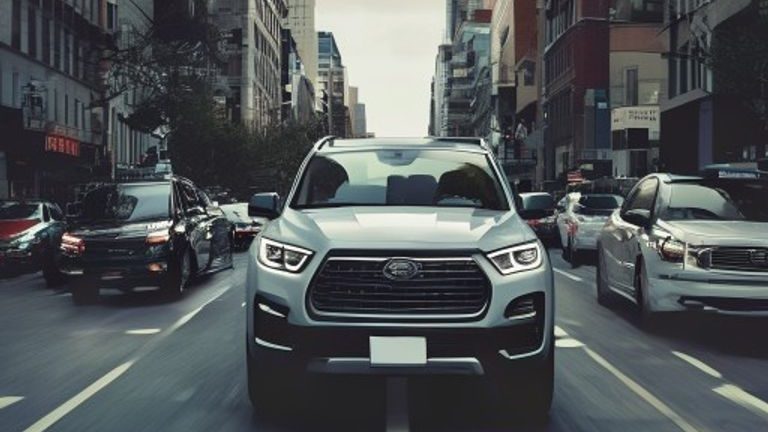
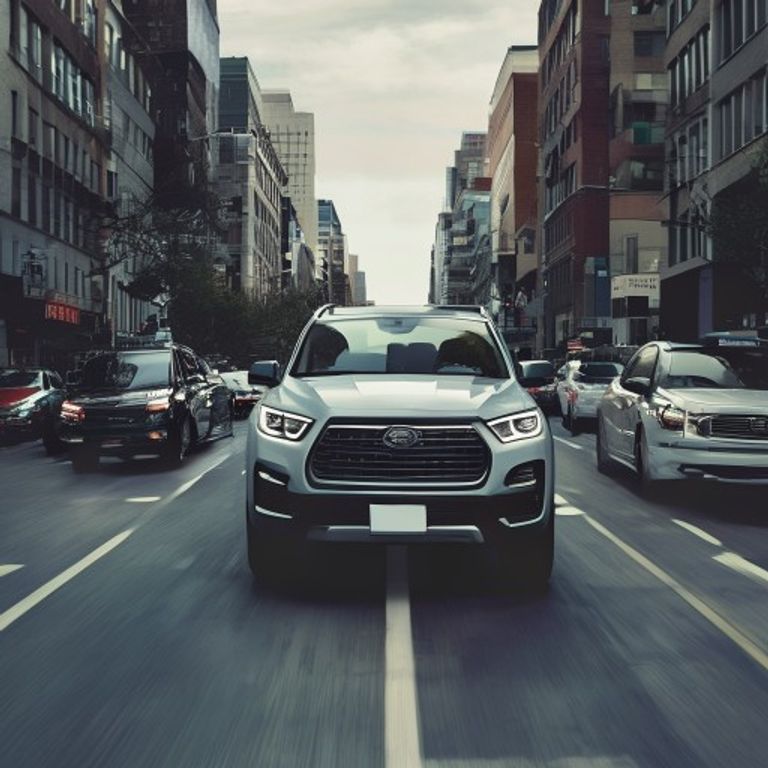
Modern vehicle design, particularly the increasing prevalence of taller SUVs, pickup trucks, and crossovers, has often been lauded for offering drivers an elevated command position and a sense of perceived safety. However, The Times’ research compels a deeper look at the trade-offs, specifically concerning the safety of pedestrians. A higher front end can inadvertently create significant blind spots directly in front of the vehicle, an area where smaller pedestrians, children, or even adults might not be immediately visible to the driver, especially at low speeds or when maneuvering in crowded environments.
- Forward Blind Zones: Taller hoods naturally extend the distance in front of a vehicle that a driver cannot see, making it difficult to detect pedestrians who are close to the vehicle’s front bumper. This blind zone can be particularly dangerous when a vehicle is pulling away from a stop or turning into a street.
- Reduced Direct Line of Sight: The upward slope and sheer height of some vehicle fronts can obscure sightlines to pedestrians crossing in front, particularly during turns or when exiting driveways. This phenomenon reduces a driver’s ability to react to sudden pedestrian movements.
- Impact on Vulnerable Road Users: Children and individuals of shorter stature are disproportionately affected by these visibility gaps, as they are more likely to fall completely within the unseen zones directly in front of or immediately adjacent to a vehicle.
Understanding the Dynamics of Pedestrian Collisions
Beyond visibility, the physical characteristics of vehicle fronts, including hood height and stiffness, play a significant role in the severity of injuries sustained by pedestrians in the event of a collision. The Times’ study implicitly points to the notion that the geometry of impact is critical. When a pedestrian is struck by a vehicle with a high hood, the initial point of contact is often higher on the pedestrian’s body, potentially leading to more severe injuries to the torso and head rather than the lower limbs, which might be more common with lower-profile vehicles.
- Higher Initial Impact Point: Taller hoods tend to strike pedestrians higher up their body, increasing the likelihood of direct impact with vital organs and the head. These types of impacts are generally associated with a higher risk of severe or fatal injuries compared to impacts predominantly involving the lower extremities.
- Stiffer Front Structures: Many larger vehicles are designed with robust front ends, which, while protective for vehicle occupants, can transmit greater force to pedestrians upon impact. The energy absorption characteristics of the vehicle’s front can significantly influence the outcome for a pedestrian.
- Vehicle Kinematics Post-Impact: The way a pedestrian interacts with a vehicle’s front and then the ground after being struck can be influenced by the vehicle’s design. The height and shape of the hood can affect whether a pedestrian is thrown onto the hood, pushed to the side, or run over, each scenario presenting different injury risks.
Pathways to Enhanced Pedestrian Protection
The findings presented by The Times offer a crucial impetus for automotive industry stakeholders, policymakers, and urban planners to collaborate on solutions that prioritize pedestrian safety. Addressing the issues highlighted by the research will require a multi-faceted approach, encompassing design innovation, regulatory adjustments, and public awareness campaigns to foster safer urban environments.
- Design Re-evaluation: Manufacturers could explore innovative designs that retain occupant safety and aesthetic appeal while significantly lowering hood heights and improving forward visibility. This might involve redesigning engine compartments for a lower profile, integrating advanced camera systems more effectively to mitigate blind spots, or rethinking front-end styling to reduce impact severity.
- Regulatory Scrutiny: Safety standards and regulations could be reviewed and potentially updated to include specific metrics for pedestrian visibility from the driver’s seat and to encourage more pedestrian-friendly front-end designs. Incentives for designs that demonstrably reduce pedestrian impact severity could also be considered by legislative bodies.
- Advanced Driver-Assistance Systems (ADAS): While not a substitute for fundamental design improvements, the wider implementation and enhancement of pedestrian detection and automatic emergency braking (AEB) systems could serve as an important layer of protection, particularly in situations where human visibility is compromised. These technologies offer a crucial secondary defense.
- Urban Planning and Infrastructure: Beyond vehicle design, urban planners can contribute by designing safer crosswalks, better lighting, reduced speed limits in high-pedestrian areas, and traffic calming measures that give pedestrians greater priority and reduce vehicle speeds, thereby reducing both the likelihood and severity of conflicts.
The implications of this research extend far beyond the drawing boards of car manufacturers. It calls for a societal shift in how we perceive and prioritize safety on our roads, advocating for a holistic view that considers all road users. By acknowledging the tangible link between vehicle design elements like hood height and the tragic statistics of pedestrian fatalities, as highlighted by The Times, there is a clear imperative to move towards safer, more inclusive automotive designs that protect the most vulnerable.
Ultimately, the study by The Times serves as a potent reminder that design choices have real-world consequences, measured in human lives. The opportunity to prevent thousands of pedestrian fatalities annually by rethinking vehicle architecture – specifically through lower hood heights and improved visibility – presents a compelling challenge and a profound responsibility for the automotive industry and safety advocates alike. This ongoing conversation is vital for fostering safer communities for everyone and mitigating the tragic human cost of preventable accidents.
Source : https://www.caranddriver.com/news/a71663782/study-vehicle-hood-height-pedestrian-safety/