

Porsche Announces Mid-Engine Supercar Development: The Mission S
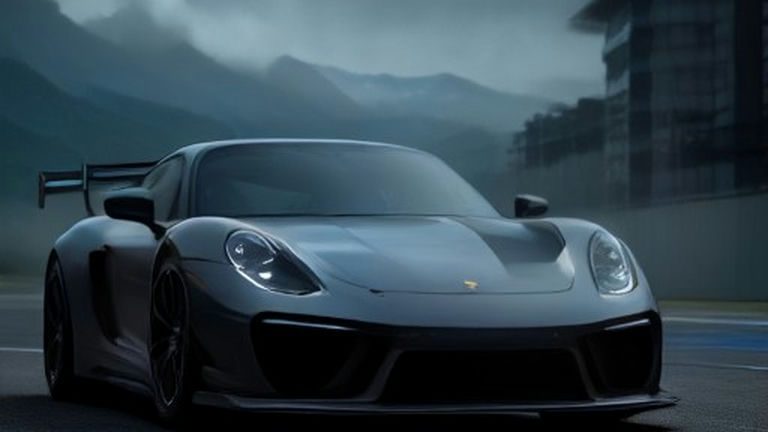
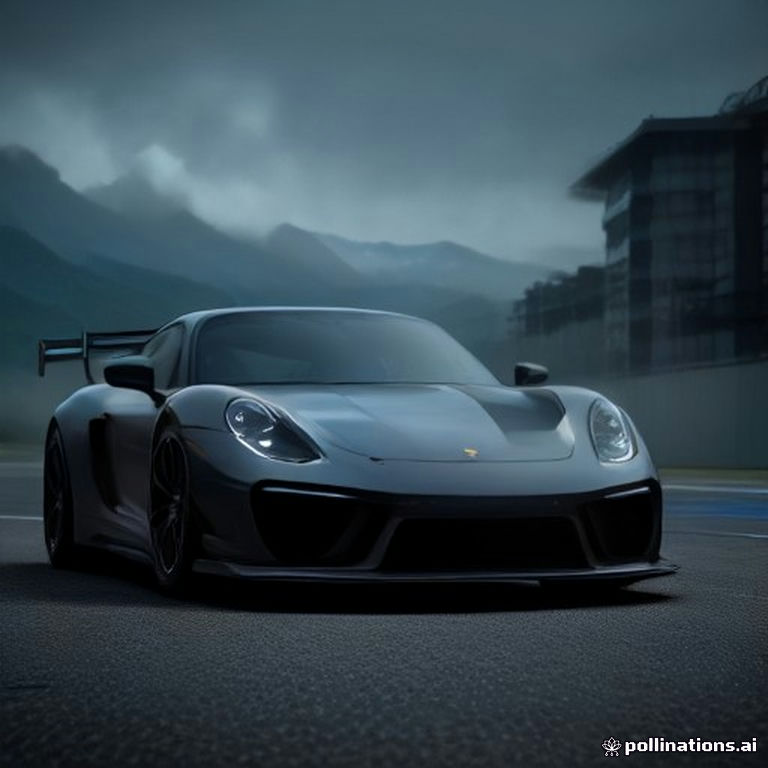
In a significant announcement that reverberates through the automotive world, Porsche has officially confirmed the development of a new mid-engine supercar, codenamed the Mission S. Positioned to transcend even the legendary 911 in the marque’s hierarchy, this new vehicle signals a bold strategic move by the German automaker. The Mission S is characterized by an unwavering focus on the driver and a design philosophy deeply rooted in Porsche’s illustrious history, with aspirations to emerge as the brand’s ultimate flagship line.
The decision by Porsche to officially embark on the development of a supercar positioned « above the 911 » is momentous. For decades, the 911 has been the very embodiment of the brand, a performance benchmark, and the de facto flagship. Introducing a new model intended to sit above it indicates a concerted effort to push the boundaries of performance, luxury, and exclusivity even further. Official development implies a significant allocation of engineering talent, financial resources, and a long-term commitment to bringing this ambitious project to fruition. This isn’t speculative concept but a confirmed path forward, reflecting Porsche’s confidence in its vision for the future of high-performance automobiles.
The Mid-Engine Configuration: A Performance Imperative
Central to the Mission S’s identity is its mid-engine configuration. This layout, where the engine is placed between the front and rear axles, typically just behind the passenger compartment, is often considered ideal for optimal weight distribution and dynamic balance in a high-performance vehicle. Unlike the 911’s characteristic rear-engine setup, the mid-engine architecture offers inherent advantages for handling, agility, and responsiveness, particularly at the limits. By centralizing the mass, it minimizes polar moment of inertia, allowing for quicker changes in direction and enhanced stability during cornering. This choice of layout underscores the Mission S’s intent as a truly dedicated supercar, engineered for unparalleled driving engagement.
- Optimal weight distribution for superior balance.
- Reduced polar moment of inertia for enhanced agility.
- Improved traction and stability during high-speed maneuvers.
Defining « Above the 911 »: A New Apex for Porsche
The assertion that the Mission S will be positioned « above the 911 » is a powerful statement about its intended status and capabilities. The 911, in its various iterations, already represents the pinnacle of sports car performance and luxury. For a new model to surpass it suggests a vehicle that will venture into hypercar territory in terms of performance metrics, technological sophistication, and price point. Historically, Porsche has occasionally offered models that transcend the 911, such as the Carrera GT and the 918 Spyder. These vehicles were limited-production, technological showcases that pushed the brand’s engineering prowess to its maximum. The Mission S appears poised to follow in these footsteps, aiming to establish a new benchmark for what a Porsche supercar can achieve.
Mission S: Poised to Unseat the Flagship
Perhaps the most audacious claim made about the Mission S is its potential to « unseat the 911 as Porsche’s flagship line. » The 911 has held this revered position for generations, its iconic silhouette and performance representing the very soul of Porsche. To consider a new model displacing it speaks volumes about the ambition driving the Mission S project. Becoming the flagship implies setting new standards in every measurable aspect: outright speed, lap times, technological innovation, luxury appointments, and embodying the ultimate expression of the Porsche brand identity. This isn’t just about being faster or more expensive; it’s about redefining the pinnacle of Porsche engineering and design for a new era. The use of « poised » suggests a strategic intent and a strong belief within Porsche that the Mission S will indeed occupy this preeminent role, marking a pivotal moment in the company’s history.
A Driver-Focused Philosophy: The Essence of Porsche
The description of the Mission S as « driver-focused » is entirely consistent with Porsche’s core philosophy, yet in the context of a new flagship, it takes on even greater significance. For Porsche, being driver-focused means creating a visceral, intuitive, and deeply engaging connection between human and machine. This often translates into:
- Exceptional steering feel and precision.
- Finely tuned chassis dynamics for clear road communication.
- Responsive powertrains delivering immediate feedback.
- Ergonomic interior design prioritizing driver control.
In a supercar designed to be above the 911, this focus will likely be amplified, ensuring that despite advanced technologies, the ultimate experience remains centered on the purity of driving. It implies a car that isn’t just fast, but one that rewards skill and delivers an unparalleled sense of control and exhilaration.
Designed with Inspiration from Porsche’s History
The commitment to design « with inspiration from Porsche’s history » is a testament to the brand’s reverence for its heritage and a promise that the Mission S will be undeniably a Porsche. Porsche’s design language has evolved over decades, but certain timeless elements persist: functional elegance, aerodynamic efficiency, and a distinctive silhouette. Historical inspiration could manifest in numerous ways:
- Aerodynamic Prowess: Drawing from legendary race cars like the 917 or 962, which pioneered aerodynamic principles.
- Proportional Balance: Echoing the purposeful stance and balanced proportions seen in iconic sports cars such as the 550 Spyder.
- Minimalist Interior Functionality: Referencing the uncluttered, driver-centric cockpits of past Porsche models.
- Iconic Design Cues: Subtle nods to classic lighting signatures, grille designs, or body lines.
- Engineering Philosophy: Continuing the tradition of lightweight construction, innovative materials, and relentless pursuit of mechanical excellence.
This approach ensures that while the Mission S will represent the vanguard of automotive technology and design, it will simultaneously carry the unmistakable DNA of Zuffenhausen, connecting it directly to a lineage of world-beating sports and race cars.
The Future of Porsche’s Performance Hierarchy
The official development of the Mission S signals a potential reordering of Porsche’s performance hierarchy and brand image. By introducing a new ultimate flagship, Porsche is not only expanding its portfolio but also reinforcing its position at the very pinnacle of automotive engineering and design. The Mission S will likely serve as a technological testbed, with innovations eventually trickling down to other models, much like previous halo cars have done. Its existence solidifies Porsche’s commitment to pushing performance envelopes, maintaining exclusivity, and continuing its legacy of creating some of the most desirable driver’s cars in the world. The automotive community now eagerly awaits further details on the Mission S, anticipating a new chapter in Porsche’s storied history.
Source : https://www.caranddriver.com/news/a74145375/porsche-mission-s-concept-revealed/