A Significant Shift on the Horizon: Range Rover Reportedly Eyeing GT EV to Succeed Evoque and Velar
The automotive world is abuzz with reports suggesting a potential seismic shift in Range Rover’s product strategy. Speculation indicates that the marque could be planning to replace its popular compact and mid-size luxury SUVs, the Evoque and Velar, with an entirely new, dedicated electric model dubbed the ‘GT EV’. This prospective move signals a bold acceleration in the brand’s electrification ambitions, albeit with a degree of uncertainty surrounding the immediate future of the current models. A key piece of information driving this discussion is the ambiguity surrounding the 2027 model year for both the Evoque and Velar in the crucial U.S. market, hinting at a potentially accelerated transition.
For years, the Range Rover Evoque and Velar have carved out distinct niches within the competitive luxury SUV segment. The Evoque, introduced as a groundbreaking concept, brought a fresh, contemporary design language to the compact luxury SUV market. Its bold styling, premium interior, and urban-friendly dimensions appealed to a younger, design-conscious demographic, significantly broadening Range Rover’s appeal. It served as an accessible entry point into the coveted Range Rover family, embodying modern luxury with a distinctive flair that set it apart from rivals. Its success demonstrated the market’s appetite for smaller, more agile luxury SUVs that still carried the prestige of the Range Rover badge.
The Velar, positioned between the Evoque and the larger Range Rover Sport, further refined the brand’s aesthetic. Launched with a philosophy of ‘reductionism’, the Velar introduced a minimalist design language, flush door handles, and advanced interior technology that pioneered many features later adopted by other Land Rover and Range Rover models. It targeted customers seeking a blend of sophisticated design, refined performance, and a sleek, coupé-like profile in a mid-size package. Both models have played vital roles in expanding Range Rover’s market presence and attracting diverse customer bases, each contributing significantly to the brand’s contemporary image and sales volume.
The Emergence of the ‘GT EV’: Range Rover’s Electric Vision
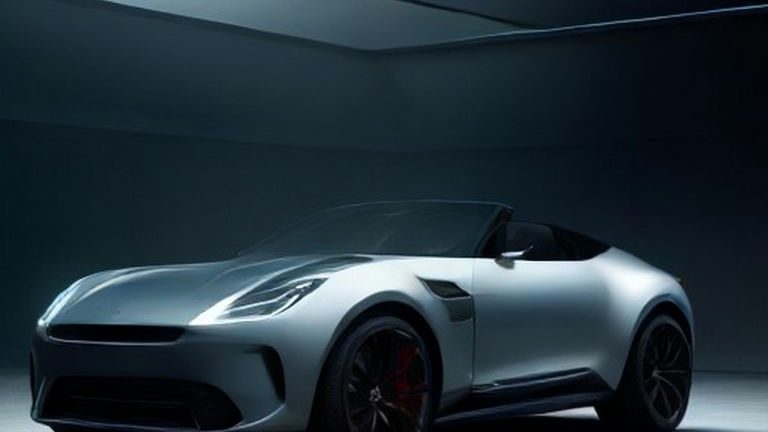
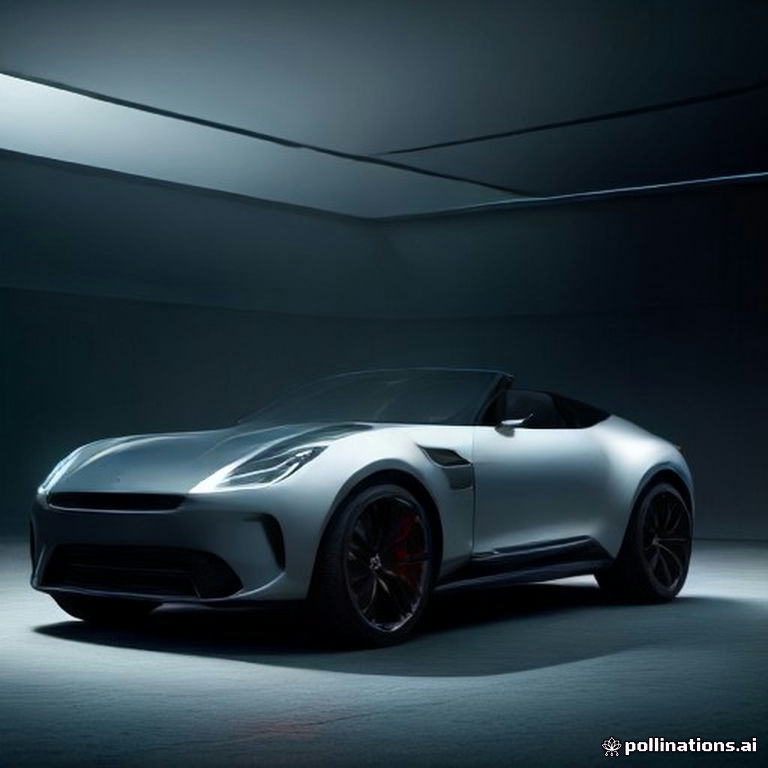
The rumored ‘GT EV’ represents not just an electric powertrain, but potentially a re-imagining of what a Range Rover can be in an electrified era. The ‘GT’ moniker, traditionally associated with ‘Grand Tourer’ vehicles, suggests a focus on high performance, luxurious long-distance comfort, and cutting-edge technology. For Range Rover, this could translate into an electric vehicle that combines the brand’s renowned opulence and capability with the instantaneous torque and silent cruising of an advanced electric drivetrain. Such a vehicle would likely emphasize sophisticated aerodynamics, state-of-the-art infotainment, and a plush, expansive interior, all while retaining the unmistakable Range Rover design DNA.
A consolidated ‘GT EV’ model replacing both the Evoque and Velar could streamline Range Rover’s portfolio, focusing resources on a singular, technologically advanced electric offering in the premium compact/mid-size segment. This strategic consolidation aligns with the broader industry trend of embracing bespoke electric platforms that optimize packaging, performance, and efficiency. It would allow Range Rover to leverage its engineering prowess and design leadership to create a truly distinctive electric luxury vehicle, free from the compromises often associated with adapting existing internal combustion engine architectures for electrification. This move would position Range Rover firmly at the forefront of the luxury EV market, competing directly with other premium brands’ dedicated electric offerings.
The 2027 Model Year Question: A Clear Signal of Change
Perhaps the most concrete indication of an impending strategic shift is the reported uncertainty surrounding the 2027 model year for both the Evoque and Velar in the U.S. market. This ambiguity is a strong signal that current generations of these vehicles may not continue beyond the 2026 calendar year, or if they do, it would be in a significantly altered or limited capacity. Automakers typically plan their product lifecycles years in advance, and such an ‘unclear’ status often precedes an official discontinuation or a complete generational overhaul that transitions to a new platform or powertrain type. For prospective buyers, this information could create a sense of urgency for those considering the current Evoque or Velar, or encourage patience for the anticipated electric replacement.
The implications of such a decision are far-reaching. For Range Rover dealerships, it means preparing for a fundamental shift in their offerings and sales strategies, with a greater emphasis on electric vehicles. For existing owners, while resale values are influenced by many factors, knowledge of an impending model discontinuation can sometimes affect market perception. Most importantly, it underscores Range Rover’s unwavering commitment to its ‘Reimagine’ strategy, which outlines Jaguar Land Rover’s accelerated path to electrification and modern luxury. This strategy envisions all Range Rover models offering an all-electric option by the end of the decade, with the first full-electric Range Rover already unveiled and set to launch soon, setting a precedent for such ambitious electric transitions across the lineup.
Embracing the Electric Future: Range Rover’s Strategic Imperative
The potential move to replace the Evoque and Velar with a single ‘GT EV’ is a strategic imperative driven by multiple factors. The global automotive industry is rapidly transitioning towards electrification, spurred by tightening emissions regulations, evolving consumer preferences, and advancements in battery technology. Luxury brands, in particular, are under pressure to lead this charge, offering sophisticated, sustainable, and technologically advanced electric vehicles that maintain their premium allure. Range Rover’s decision, if confirmed, demonstrates a proactive approach to this challenge, choosing to innovate and adapt rather than incrementally electrify existing models.
By introducing a dedicated ‘GT EV’, Range Rover could solidify its position in the burgeoning luxury electric vehicle market, offering a compelling alternative that combines the brand’s distinctive attributes with the advantages of an electric powertrain. This includes silent operation, instant torque delivery, zero tailpipe emissions, and potentially advanced autonomous driving capabilities. The strategic implications of this reported shift are considerable:
- Consolidation of Product Lines: Streamlining the offerings in the compact and mid-size luxury SUV segments.
- Focus on Dedicated EV Architecture: Leveraging bespoke electric platforms for optimized performance and packaging.
- Enhanced Brand Positioning: Solidifying Range Rover’s image as a leader in sustainable, high-luxury mobility.
- Meeting Evolving Consumer Demand: Aligning with the growing preference for electric vehicles in the premium market.
- Simplifying Manufacturing: Potentially reducing complexity by moving to unified electric components and platforms.
While official confirmation and specific details are yet to emerge, the reports concerning the Evoque, Velar, and a potential ‘GT EV’ paint a clear picture of Range Rover’s electric-driven future, signaling an exciting, transformative era for the iconic luxury brand.
Source : https://www.caranddriver.com/news/a74323107/range-rover-evoque-velar-ending-production-2027/