

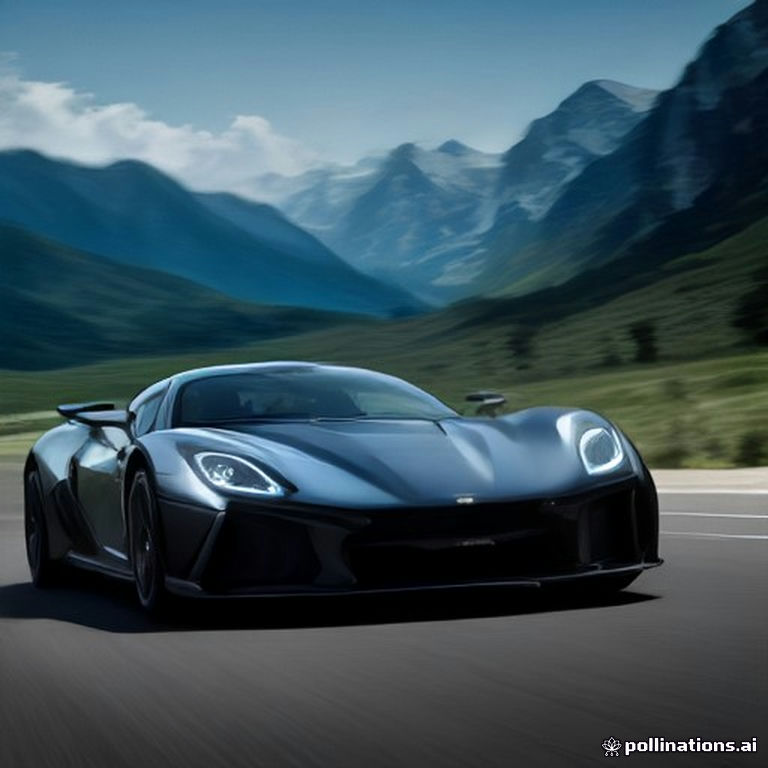
The automotive world is taking note of reports suggesting that Rimac, the pioneering Croatian electric hypercar manufacturer, is reportedly concluding production of its groundbreaking Nevera. This development comes after an estimated 71 units have been sold and delivered, a figure that stands in stark contrast to the purportedly planned production run of 190 examples. The Nevera, an electric hypercar that has garnered significant attention for its unprecedented performance, appears to be drawing its production chapter to a close significantly earlier than initially envisioned.
The Nevera: A Benchmark in Electric Performance
From its inception, the Rimac Nevera was conceived not just as another hypercar, but as a statement—a powerful declaration of what electric propulsion could achieve at the very pinnacle of automotive engineering. It emerged as a technological tour de force, designed to push the boundaries of speed, acceleration, and dynamic capability in a way previously thought impossible for an electric vehicle. The ambition behind the Nevera was clear: to redefine hypercar performance and challenge established benchmarks traditionally held by internal combustion machines. Its engineering prowess and innovative design have allowed it to carve out a unique position in the exclusive world of ultra-high-performance vehicles.
Throughout its operational life, the Nevera has indeed demonstrated its groundbreaking capabilities, setting plenty of records that underscore its extraordinary performance. These achievements highlight its boundary-pushing nature in critical aspects like acceleration, top speed, and overall dynamic prowess. These records serve as undeniable proof of the electric hypercar’s capacity to deliver extreme, exhilarating performance, firmly cementing its status as a leader in the nascent but rapidly evolving electric hypercar segment. Its impact has been significant, proving that electric powertrains can offer not just efficiency, but also unparalleled, record-breaking speed and power.
Production Figures and Market Realities
The reported conclusion of the Nevera’s production after approximately 71 units have been sold presents a noteworthy deviation from its purportedly planned production run of 190 examples. This significant disparity means that the Nevera’s final production tally may be less than half of what was initially intended. For a vehicle of such exclusivity and technological ambition, such an adjustment in production volume is a focal point of discussion within the automotive community. While ultra-luxury and hypercar manufacturers often operate with limited production numbers, a reduction of this magnitude from initial targets invites a closer look at market dynamics and strategic decisions.
The implication of a considerably shorter production run is multifaceted. For the exclusive group of 71 owners, it means an even rarer and potentially more valuable collector’s item. In the realm of hypercars, where exclusivity often dictates allure, a lower production volume inherently enhances the vehicle’s unique status. It also underscores how manufacturers in this highly specialized segment must constantly adapt their plans, responding to factors such as evolving market demand, the intricate complexities of producing cutting-edge technology at scale, and broader strategic shifts within the company’s vision. While specific reasons for Rimac’s reported decision are not detailed, such adjustments are not uncommon in the bespoke world of hypercar manufacturing.
Navigating the Ultra-High-End Electric Vehicle Segment
The journey of bringing an ultra-high-performance electric vehicle to market, and sustaining its production, involves a unique set of challenges inherent to this highly specialized niche. Factors influencing the lifecycle and production targets of such pioneering vehicles can be numerous and complex.
- Intense Research and Development: The creation of a groundbreaking electric hypercar like the Nevera necessitates immense investment in pioneering technologies, from advanced battery systems to bespoke powertrain components and intricate software.
- Specialized Manufacturing: Crafting vehicles with such precision, power, and innovative materials demands highly specialized manufacturing processes, skilled artisans, and often bespoke production lines, which can be costly and time-consuming to scale.
- Exclusive Customer Base: Operating at a multi-million-dollar price point, the target demographic is inherently small and discerning, requiring unique sales strategies and careful market navigation that differ significantly from mainstream automotive sales.
- Rapid Technological Evolution: The electric vehicle landscape is characterized by swift advancements. New battery chemistries, motor designs, and software innovations emerge regularly, influencing product lifecycles and potentially leading companies to pivot towards next-generation projects.
A Lasting Legacy of Innovation
Regardless of its ultimate production numbers, the Rimac Nevera’s impact on the automotive industry remains undeniable. It stands as a powerful testament to human ingenuity and the boundless potential of electric powertrains. The Nevera’s role in pushing technological boundaries, setting new performance benchmarks, and challenging perceptions of electric vehicles has already cemented its place in automotive history. It served as a vital proof-of-concept for extreme electric performance, inspiring future generations of electric vehicles and solidifying Rimac’s reputation as a leader in high-performance EV technology. Its legacy is not solely defined by the number of units produced, but by the profound influence it has exerted on the direction of automotive innovation.