


The Electric Horizon: Peering into the Future of Upcoming EVs
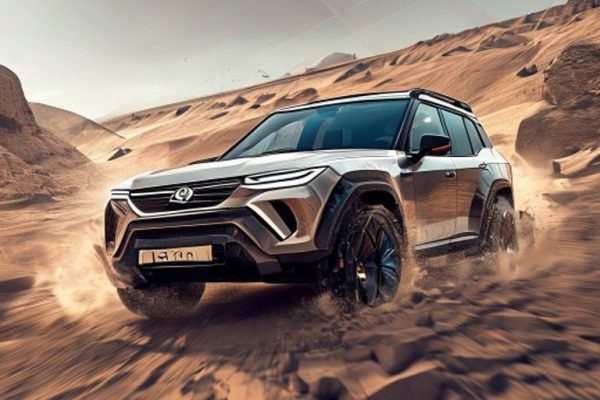
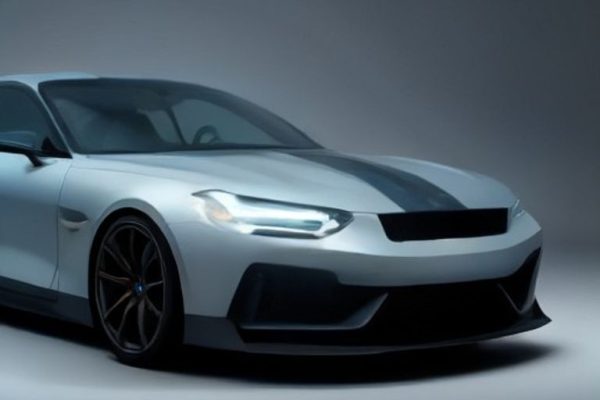
The automotive landscape is undergoing a profound transformation, with electric vehicles (EVs) leading the charge towards a sustainable future. While the market already boasts an impressive array of EVs, the true excitement often lies not just in what’s available today, but in the innovations and designs that are still taking shape behind closed doors. The next wave of electric vehicles promises to redefine our understanding of personal mobility, offering advancements that push the boundaries of technology, performance, and sustainability. These eagerly anticipated models, currently in various stages from bold concept to near-production prototypes, represent the cutting edge of automotive engineering and design, tantalizing consumers with the prospect of an even more electrifying tomorrow.
Indeed, the journey from an initial spark of an idea to a showroom-ready vehicle is a long and arduous one, particularly within the rapidly evolving EV sector. Automotive manufacturers invest tremendous resources into research and development, sketching out audacious visions that might one day grace our roads. This journey is characterized by multiple critical phases, each demanding meticulous attention and iterative refinement. Understanding this process helps frame the anticipation surrounding future EVs, providing context for the speculative nature of their eventual arrival.
From Visionary Concept to Production Reality: The EV Development Lifecycle
The development of a new electric vehicle is a multi-faceted process, often spanning several years. It typically begins with the creation of concept vehicles – imaginative showcases designed to gauge public interest, explore radical design philosophies, and test nascent technologies. These concepts are often unconstrained by immediate production realities, serving as a canvas for a brand’s futuristic aspirations. Following this, engineers and designers work to translate these visions into more tangible prototypes, which undergo rigorous testing in various conditions to ensure performance, safety, and reliability. This phase involves extensive data collection, software calibration, and hardware refinement, addressing everything from battery thermal management to the responsiveness of driver-assist systems.
As development progresses, pre-production models are built, closely mirroring what consumers will eventually see. This stage is crucial for streamlining manufacturing processes, identifying potential bottlenecks, and ensuring consistency across a larger scale. However, it’s a testament to the complexity of automotive engineering that not every brilliant concept or promising prototype ultimately makes it to mass production. Economic viability, technological hurdles, evolving market demands, and even unforeseen global events can all influence whether a vehicle transitions from a drawing board dream to a tangible reality available for purchase. The promise is always there, but the path is fraught with challenges and difficult decisions.
Driving Forces: Innovations Shaping Tomorrow’s Electric Fleet
The relentless pursuit of innovation is the primary engine behind the next generation of electric vehicles. Manufacturers are keenly focused on several key areas to enhance the appeal and practicality of EVs. These advancements are not merely incremental; they represent significant leaps forward in various domains:
- Battery Technology: The ongoing quest for higher energy density, faster charging capabilities, and improved longevity is central. Future EVs are expected to offer substantially increased driving ranges, effectively eliminating range anxiety for most users, and significantly shorter charging times, making long-distance travel more convenient than ever before.
- Motor Efficiency and Performance: Advances in electric motor design promise even greater efficiency, translating into better energy utilization and more exhilarating performance. Instant torque delivery and refined power management systems will continue to enhance the driving experience.
- Software and Connectivity: The integration of advanced software platforms will turn vehicles into highly personalized, connected ecosystems. Over-the-air updates, sophisticated infotainment systems, and seamless integration with smart devices are becoming standard, continuously enhancing the user experience post-purchase.
- Diverse Body Styles and Segments: The initial EV market was somewhat limited in vehicle types. The future will bring a much wider array of electric options, from rugged electric trucks and spacious family SUVs to sleek sports cars and compact urban commuters, catering to virtually every lifestyle and need.
- Sustainable Materials and Manufacturing: A growing emphasis is placed on the entire lifecycle of the vehicle, from sustainable sourcing of materials to eco-friendly manufacturing processes and improved recyclability. This holistic approach aims to minimize the environmental footprint of production and ownership.
The Promise of an Elevated Electric Experience
Beyond the raw specifications, upcoming electric vehicles are poised to offer an elevated overall experience. Imagine vehicles that intuitively understand your preferences, adjust to driving conditions with unparalleled precision, and offer levels of comfort and convenience previously unimaginable. The inherent quietness of electric powertrains, combined with advancements in sound insulation and cabin design, promises a serene and refined interior environment.
Furthermore, the unique packaging advantages of electric platforms – such as flat floorboards and the absence of a bulky engine block – will allow for more spacious and flexible interior layouts. This translates into greater passenger comfort and more versatile cargo solutions. Safety features are also continuously evolving, with advanced driver-assistance systems (ADAS) becoming more sophisticated and reliable, paving the way for even safer journeys. The convergence of these factors suggests that future EVs will not only be more efficient and powerful but also significantly more enjoyable and practical to live with on a daily basis.
Navigating the Unknown: When Concepts Don’t See the Light of Day
It is important, however, to temper excitement with a dose of realism. As the original premise states, « perhaps a few may never see the light of day. » The automotive industry is notoriously challenging, and the path from concept to commercial success is fraught with obstacles. A concept might be technologically feasible but prove too expensive to produce at a competitive price. Supply chain complexities, especially for critical battery components, can derail even well-laid plans. Shifting consumer tastes, unexpected regulatory changes, or intense competitive pressures from rival manufacturers can also lead companies to pivot or even abandon projects. Sometimes, a groundbreaking idea simply doesn’t align with a company’s long-term strategic goals or financial health.
This reality underscores the dynamic and often unpredictable nature of vehicle development. While many exciting prototypes will undoubtedly make it to market, others will remain fascinating glimpses into what might have been, serving as learning experiences for future endeavors. This constant evaluation and adaptation are part of what makes the automotive industry so vibrant, even if it means some eagerly anticipated models ultimately remain concepts.
A Future Rich with Electric Possibilities
The prospect of new electric vehicles emerging from the development pipeline is a compelling one for consumers and enthusiasts alike. With each passing year, the technology matures, design philosophies evolve, and the range of options expands significantly. The shift towards electrification is not just about alternative powertrains; it’s about reimagining the entire vehicle experience, from how we interact with our cars to their impact on the environment.
As manufacturers continue to innovate, pushing boundaries in performance, range, charging, and connectivity, the choices available to consumers will become increasingly diverse and compelling. The future of electric mobility is bright, promising a landscape filled with innovative, efficient, and exciting vehicles that are designed to meet the evolving demands of a connected world. While we wait for these upcoming models to transition from speculative concept to production reality, the anticipation itself fuels the ongoing transformation of the automotive world, promising a greener, more thrilling drive for generations to come.
Source : https://www.caranddriver.com/news/g29994375/future-electric-cars-trucks/