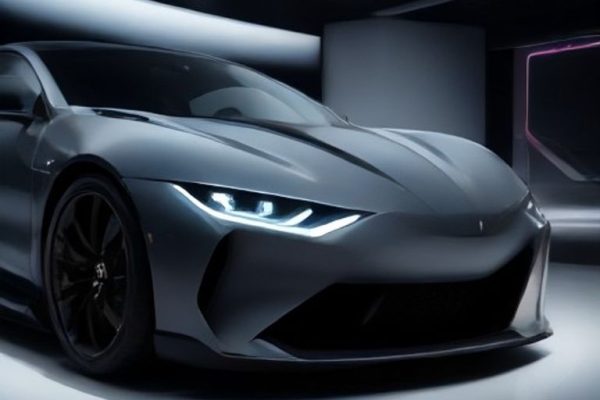


The Future of Electric Mobility: From Vision to Reality
The automotive landscape is undergoing a monumental shift, spearheaded by the rapid evolution of electric vehicles (EVs). While the market is already brimming with compelling options, the horizon promises an even more exhilarating array of innovations. Automobile manufacturers globally are heavily invested in sketching out the next generation of EVs, vehicles that are currently not available for purchase but are progressing through various critical stages of development. These upcoming models represent the future of personal mobility, showcasing advancements in technology, design, and environmental responsibility that aim to redefine what we expect from our cars. The anticipation builds as these machines move from drawing boards and digital renderings towards tangible prototypes and eventual production lines.
The Journey from Concept to Production
The journey for any new vehicle, especially an electric one, is a complex and often lengthy undertaking, spanning multiple distinct phases. It typically commences with a "concept" – a visionary design study intended to explore radical ideas, push aesthetic boundaries, and hint at future technological directions. These concepts are often dramatic and aspirational, designed to gauge public interest and showcase a manufacturer’s forward-thinking capabilities.
From there, successful concepts may evolve into "prototypes," which are functional, drivable versions used for rigorous testing and refinement. This stage involves countless hours of engineering, safety assessments, and performance optimization, bridging the gap between imaginative vision and practical reality. Finally, vehicles reaching the "production" stage are those that have successfully navigated these hurdles, demonstrating market viability and readiness for mass manufacturing. This multi-layered process ensures that what eventually reaches consumers is a well-engineered, reliable, and desirable product.
The Promise of Innovation Across the Board
Consumers can look forward to a wave of innovation with these upcoming electric vehicles. Advancements are not limited to a single aspect but encompass a holistic improvement across the board. Expect significant strides in battery technology, leading to extended driving ranges that mitigate range anxiety for an even broader segment of the population, alongside faster charging capabilities that make quick top-ups more efficient. Performance metrics are also set to evolve, with new EVs promising exhilarating acceleration and refined driving dynamics, often enhanced by sophisticated torque management systems.
Design philosophies are pushing boundaries too, exploring new aerodynamic efficiencies and reimagining interior spaces, taking full advantage of the unique packaging benefits of an electric powertrain. Furthermore, increasing emphasis will be placed on sustainability throughout the vehicle’s lifecycle, from the materials used in manufacturing to innovative recycling processes. These future models aim to offer more than just transportation; they aspire to deliver an elevated, connected, and environmentally conscious driving experience.
Navigating the Unseen Hurdles of Development
Despite the undeniable excitement, it’s a sobering reality that not every groundbreaking concept or promising prototype will ultimately reach the showroom floor. The path from initial sketch to mass production is fraught with significant challenges, and many promising projects may, for various reasons, "never see the light of day." Technical complexities can prove insurmountable, with engineering hurdles related to battery integration, thermal management, or software development sometimes exceeding current capabilities or budget constraints.
Economic viability is another major factor; the cost of developing and manufacturing a new EV, especially one featuring novel technologies, can be astronomical. A project might be shelved if market forecasts suggest insufficient demand or if it can’t be produced profitably at a competitive price point. Furthermore, evolving regulatory landscapes, shifting consumer preferences, supply chain disruptions, or even internal strategic changes within a company can lead to a program being cancelled or indefinitely postponed. This inherent uncertainty is a natural part of an industry constantly pushing the boundaries of what’s possible.
Anticipation and Market Impact
The impending arrival of this next generation of electric vehicles holds immense potential to reshape the automotive market. A broader and more diverse selection of models, covering various price points and segments, will undoubtedly accelerate the global adoption of EVs. This influx of innovation will intensify competition among manufacturers, driving further advancements and ultimately benefiting consumers with more choices, better technologies, and potentially more accessible pricing. These future vehicles are poised to solidify EVs as the mainstream choice for transportation, challenging conventional notions and demonstrating the superior capabilities and benefits of electric powertrains. The collective anticipation among enthusiasts and environmentally conscious consumers alike underscores the transformative power these upcoming models represent.
A Glimpse into Tomorrow’s Drive
As we look ahead, the continuous evolution of electric vehicles promises an exciting and dynamic future. While the journey from a bold concept to a production-ready vehicle is complex and uncertain for many, the collective effort across the industry ensures a constant stream of groundbreaking innovations. The next wave of EVs is set to deliver unprecedented choices, performance, and sustainability, charting a course towards a truly electrified world.
Source : https://www.caranddriver.com/news/g29994375/future-electric-cars-trucks/