

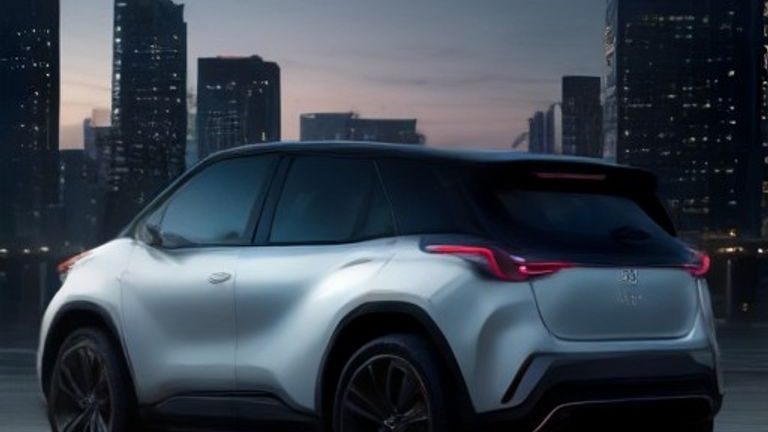
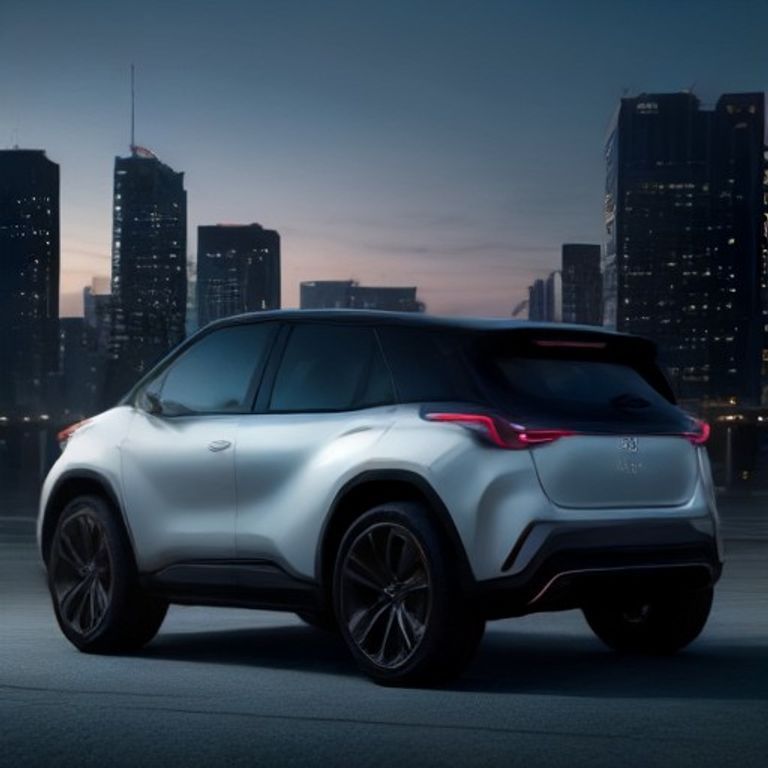
Reports circulating within the automotive industry suggest that the next-generation Toyota Highlander, which is slated to be sold exclusively as an electric vehicle (EV), has encountered a second delay. This development casts further uncertainty over its originally anticipated market launch by the end of 2026, a timeline that was already a revision from an earlier, unspecified target. Such a prolonged development cycle and reported postponements hold significant implications for Toyota’s ambitious electrification strategy and its positioning within the increasingly competitive three-row EV SUV segment.
The Highlander’s Pivotal Role in Toyota’s EV Transition
The Toyota Highlander is a cornerstone of the brand’s global lineup, synonymous with reliability, practicality, and family-friendly utility. Its current iterations, offered with popular gasoline and hybrid powertrains, consistently rank among the best-selling SUVs in various markets. The strategic decision to transition the next generation of such a high-volume model exclusively to an EV powertrain underscores Toyota’s stated commitment to a zero-emission future, particularly for its critical mass-market offerings. This move represents a significant strategic pivot for an automaker that has long championed hybrids, aiming to move beyond its hybrid dominance to establish a strong foothold in the pure electric vehicle space in critical segments.
Therefore, a reported delay for the Highlander EV is not merely about a single vehicle; it reflects on the pace and execution of Toyota’s broader strategic shift towards electrification. For many consumers and industry observers, the Highlander EV symbolizes Toyota’s intent to apply its proven engineering and manufacturing prowess to the burgeoning EV market. Any setbacks in its launch timeline can, therefore, be viewed as indicators of the inherent complexities involved in this transition.
Toyota’s EV Journey and Market Perceptions
Toyota has historically been a pioneer in vehicle electrification, particularly through its groundbreaking work with hybrid technology, epitomized by the iconic Prius. However, in recent years, the company has faced criticism from some quarters for a perceived cautious approach to pure battery electric vehicles (BEVs) compared to several aggressive rivals. While Toyota has announced substantial investments, technological breakthroughs like solid-state batteries, and ambitious plans for numerous BEV models, the actual rollout and availability of these vehicles have been slower than anticipated by some market analysts and enthusiasts.
Reports of a second delay for a high-profile, volume-oriented model like the Highlander EV could, if confirmed, reinforce these perceptions. Such developments have the potential to impact investor confidence and consumer anticipation for Toyota’s forthcoming electric lineup. The commitment to an EV-only Highlander was widely seen as a bold statement, signaling Toyota’s intent to directly address the growing market demand for larger, family-oriented electric SUVs. Maintaining momentum and a clear launch trajectory is crucial for an automaker navigating the rapid evolution of consumer expectations and technological advancements in the EV sector.
Understanding the Complexities of Automotive Delays
Automotive product development is an incredibly intricate, resource-intensive, and often unpredictable process, particularly when it involves ground-up electric vehicle architectures. Delays, while frustrating for consumers and manufacturers alike, can stem from a multitude of factors, none of which have been officially attributed to the Highlander EV in these unconfirmed reports. Common challenges faced by automakers globally that lead to project postponements include:
- Battery Technology and Supply Chain: Securing sufficient quantities of advanced, high-performance battery cells and modules, along with managing the complex supply chain for raw materials, remains a significant bottleneck for the entire industry.
- Software Development and Integration: The increasing reliance on sophisticated vehicle software for everything from powertrain management to advanced driver-assistance systems (ADAS) and infotainment often requires extensive testing, refinement, and validation, which can be time-consuming.
- Manufacturing Readiness and Re-tooling: Re-tooling existing factories or constructing new ones for novel EV platforms and production processes is a massive undertaking that demands precision engineering and meticulous planning.
- Global Supply Chain Disruptions: Lingering effects of global events, geopolitical tensions, and logistics issues continue to impact the availability of critical components, ranging from microchips to specialized materials.
- Regulatory and Compliance Challenges: Evolving global safety, environmental, and emissions standards can necessitate design revisions, testing, and certification, adding layers of complexity and potential delays.
- Competitive Landscape and Market Adjustments: Companies may also strategically adjust timelines based on ongoing competitive analysis, internal strategic shifts, or to integrate newer technologies that emerge during the development cycle.
Without official statements from Toyota, the precise reasons behind this reported second delay for the Highlander EV remain speculative. However, the underlying complexities of developing a competitive, reliable, and high-volume electric vehicle from the ground up are undeniable within the industry.
The Competitive Landscape Awaits
When the Toyota Highlander EV eventually arrives on the market, it will enter a fiercely competitive and rapidly expanding segment. Rivals are already establishing their presence or are soon to join the fray with compelling offerings. Models such as the Kia EV9, the forthcoming Hyundai IONIQ 7, the Volvo EX90, and various electric offerings from established American and European manufacturers will all vie for consumer attention in the crucial three-row electric SUV space. Each reported delay for the Highlander EV potentially gives these competitors more time to establish their market presence, refine their offerings, and capture market share.
Toyota’s well-earned reputation for quality, durability, and reliability will undoubtedly be a strong asset in this contest. However, the timeliness of market entry, coupled with a compelling overall package in terms of range, charging speed, technology, and pricing, will be crucial factors in determining its success in the fast-evolving EV market. Consumers seeking a spacious, family-oriented electric SUV are increasingly presented with a diverse array of choices.
Looking Ahead: The Road to Electrification Continues
Despite these reported setbacks and the ongoing uncertainty regarding its launch date, the long-term strategic importance of the Highlander EV for Toyota remains undiminished. It represents a significant pillar in the company’s future global electrification efforts, targeting a critical family vehicle segment that demands both utility and efficiency. The anticipation for a large, capable, and reliable electric SUV from Toyota remains high among its loyal customer base and the broader EV community.
While the precise new timeline for the Highlander EV’s introduction remains unconfirmed and subject to official announcements from Toyota, the industry and consumers will be keenly watching for updates. The ultimate success of this eagerly awaited model will depend not just on its eventual arrival, but on its ability to deliver on performance, range, charging capabilities, and overall value proposition, ensuring it lives up to the revered Highlander legacy in its new, electric form. The journey to a fully electric lineup is complex, marked by continuous innovation, substantial investment, and, at times, unavoidable product development challenges and delays.
Source : https://www.caranddriver.com/news/a73605028/2027-toyota-highlander-ev-delayed-again-report/