

Volvo Eyes Strategic Expansion with New Large and Small SUV Offerings
Volvo Cars appears poised for a significant expansion of its SUV portfolio, with recent hints suggesting the introduction of new models at both the entry-level electric vehicle (EV) segment and the top-tier luxury full-size category. This strategic move underscores Volvo’s ongoing transformation, particularly its ambitious electrification roadmap and its desire to broaden its market appeal by addressing diverse consumer needs across the automotive spectrum.
The automotive industry has been closely watching Volvo’s accelerated transition towards an all-electric future, and these potential new offerings signal a dual-pronged approach to growth. By targeting both ends of the SUV market, Volvo aims to solidify its presence in emerging EV segments while simultaneously challenging established luxury players in the most lucrative categories.
The Small End: A Successor or Companion for the EX30
One of the hinted models is described as an “EX30 replacement,” suggesting a refresh or a new iteration of Volvo’s recently unveiled compact electric SUV. The EX30, introduced as Volvo’s smallest and most accessible fully electric SUV, has been met with considerable anticipation, signaling Volvo’s commitment to making sustainable mobility attainable for a broader audience. While the phrasing could indicate a future generation of this popular model, it also opens the door to the possibility of an entirely new, equally compact electric SUV designed to further solidify Volvo’s presence in the burgeoning urban EV segment.
Such a vehicle would likely build upon the EX30’s minimalist Scandinavian design principles, advanced safety features, and user-centric technology, all while maintaining a focus on efficiency and agile urban performance. The compact premium EV segment is a highly competitive, yet rapidly growing, area of the automotive market. Volvo’s strategic placement of a new model here would allow it to capture a wider demographic, particularly younger buyers or those in urban environments seeking a premium electric experience without the footprint of larger SUVs. This ensures Volvo remains competitive in a crucial volume segment as it progresses towards its goal of becoming an all-electric car company by 2030.
Venturing Upmarket: A Full-Size Flagship SUV Beyond the XC90
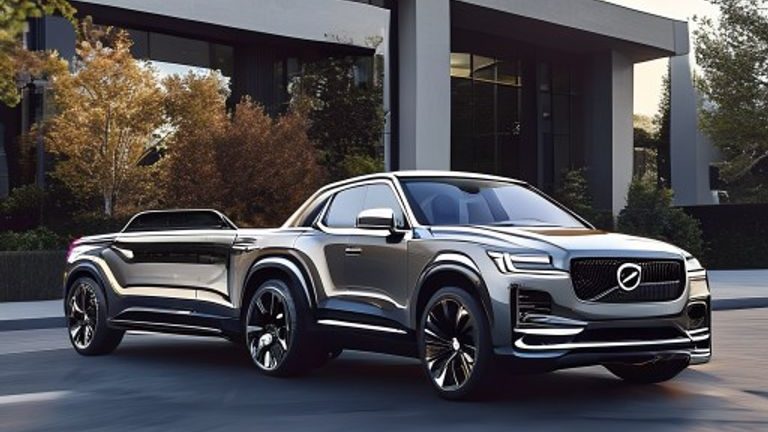
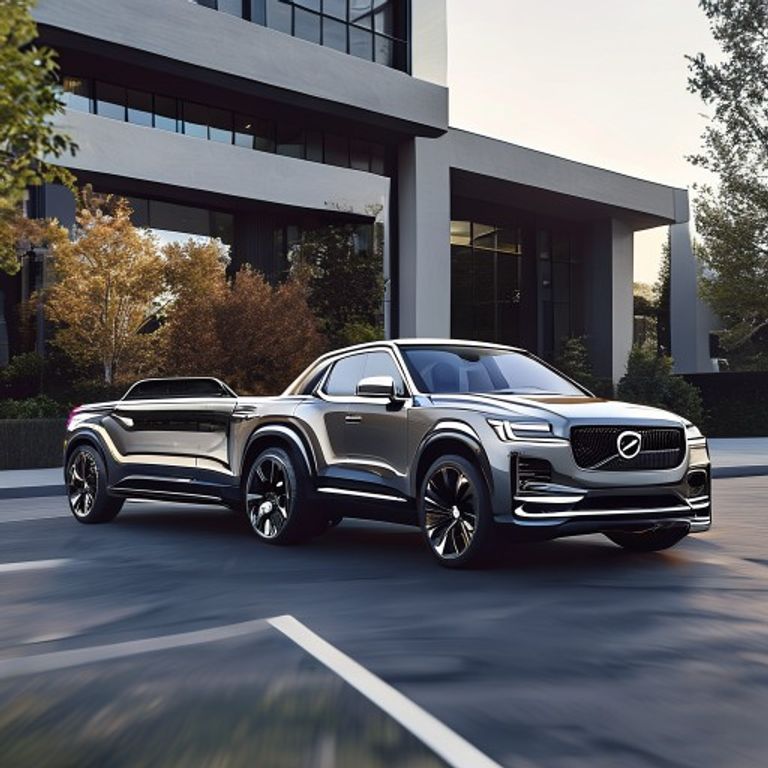
At the opposite end of the spectrum, Volvo is reportedly looking to elevate its luxury SUV offering with a full-size model that would sit above the highly successful XC90. The XC90 has long been a cornerstone of Volvo’s lineup, lauded for its blend of safety, design, and practicality. However, the automotive industry has seen a continuous upward trend in demand for ultra-luxury, three-row SUVs that prioritize space, advanced technology, and opulent comfort, a segment currently dominated by established players like the BMW X7 and Mercedes-Benz GLS.
A new Volvo flagship SUV in this category would represent a bold step into a highly lucrative market segment. Such a vehicle would almost certainly leverage the advanced Scalable Product Architecture 2 (SPA2) platform, which underpins the forthcoming EX90. This platform is specifically designed for electric vehicles and offers immense flexibility for various powertrain options, including fully electric and advanced plug-in hybrids. By entering this prestigious segment, Volvo could not only command higher price points and increase profit margins but also significantly enhance its brand prestige and perception as a true luxury competitor on a global scale. Consumers in this segment expect nothing less than cutting-edge infotainment, sumptuous interiors, and robust performance, attributes Volvo would need to deliver with its unique Scandinavian interpretation of luxury.
The South Carolina Connection: A Strategic Production Hub
A particularly noteworthy detail emerging from these hints is the potential manufacturing location for the larger-than-XC90 SUV: Volvo’s plant in Ridgeville, South Carolina. This facility, which currently produces the S60 sedan and is slated to build the upcoming EX90 electric SUV, represents a critical hub in Volvo’s global manufacturing network. Producing a flagship SUV in the United States offers several strategic advantages for the Swedish automaker.
Firstly, it positions Volvo to better serve the crucial North American market, potentially mitigating the impact of tariffs and reducing logistical complexities. Secondly, it strengthens Volvo’s commitment to local production, aligning with broader initiatives for job creation and economic investment in the region. The ‘Made in America’ label can also be a significant selling point for domestic consumers. Furthermore, having a high-volume, high-value product like a full-size luxury SUV manufactured in South Carolina underscores the plant’s growing importance and its capacity to handle Volvo’s most advanced and premium offerings, signaling confidence in its operational capabilities and skilled workforce.
Strategic Implications and Market Positioning
These potential additions to Volvo’s SUV lineup are not merely incremental updates but represent pivotal strategic moves designed to shape the brand’s future. They underscore several key objectives for the Swedish automaker:
- Broadening Electrification: By introducing new EV models at different price points, Volvo reinforces its commitment to becoming a fully electric car company by 2030, offering sustainable choices across its portfolio.
- Expanding Market Reach: The move to both ends of the SUV spectrum—a more accessible compact EV and an ultra-luxury full-size offering—allows Volvo to tap into previously underserved demographics and competitive segments.
- Enhancing Brand Perception: A flagship SUV competing with established luxury rivals can elevate Volvo’s brand image, showcasing its capability in design, technology, and premium comfort.
- Optimizing Manufacturing Footprint: Localizing production for key models, especially in critical markets like North America, streamlines supply chains and enhances market responsiveness.
Navigating these ambitious ventures will require careful execution, particularly in a highly competitive automotive landscape where consumer preferences are constantly evolving. However, these reported hints signal a proactive and confident Volvo, ready to seize new opportunities.
Conclusion
While Volvo has yet to make official announcements regarding these specific models, the indications paint a clear picture of a brand with ambitious growth plans. The potential introduction of both a new compact electric SUV and a commanding full-size luxury SUV, possibly built in South Carolina, suggests a meticulously planned strategy to expand Volvo’s global footprint, accelerate its electrification journey, and solidify its position as a leading premium automotive brand for the future. Enthusiasts and industry observers alike will be keenly awaiting further details from the Swedish automaker as it continues to redefine its presence in the global automotive market.
Source : https://www.caranddriver.com/news/a71351859/volvo-new-large-and-small-suvs/