



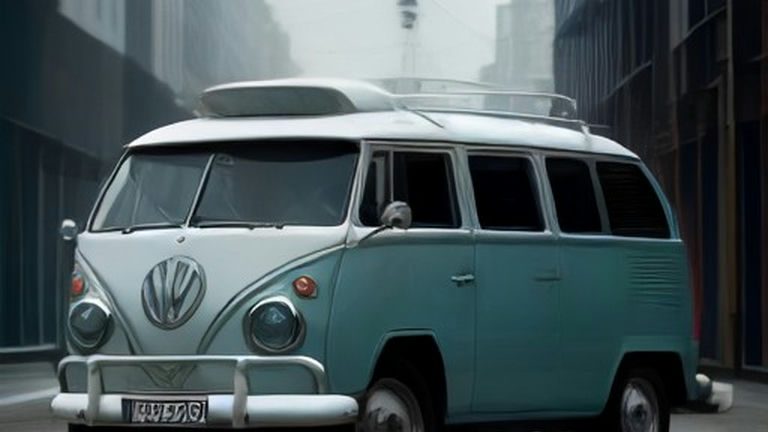

Volkswagen Targets U.S. with Promised Lower-Cost ID.Buzz Variant
In a significant announcement for American consumers, a high-ranking Volkswagen official has confirmed plans to introduce a new ID.Buzz variant specifically tailored for the U.S. market. Crucially, this forthcoming electric Microbus is slated to arrive with a more accessible price point than its current iteration, addressing what many perceive as a key barrier to entry. While details remain sparse and the timeline suggests « it’ll be a while » before its debut, the promise of a more affordable option is set to generate considerable buzz among electric vehicle enthusiasts and families eyeing a practical yet iconic zero-emission ride.
The original ID.Buzz has captivated imaginations since its reveal, a spiritual successor to the legendary Type 2 Microbus. It represents a bold step for Volkswagen into the burgeoning electric van segment, combining nostalgic design cues with thoroughly modern EV technology. However, its initial positioning, particularly in markets where it has already launched, places it firmly in the premium category. For many potential buyers in the U.S., the anticipated cost of the ID.Buzz has been a significant point of consideration, prompting a desire for options that align more closely with broader market affordability expectations.
The confirmation from the VW boss suggests a strategic pivot or expansion of the ID.Buzz lineup, aimed squarely at enhancing its competitive edge in the highly dynamic American electric vehicle landscape. The statement specifically noted that this would not be an « entirely new electric Microbus » but rather a version with « planned changes » designed to fix its « biggest bugaboo. » This phrasing is highly indicative, suggesting a re-evaluation of current specifications, features, or manufacturing processes rather than a complete generational overhaul. It implies an optimization of the existing platform to achieve the desired cost reduction.
Addressing the « Biggest Bugaboo »: The Price Point
While the exact nature of the « biggest bugaboo » was not explicitly detailed, the context of a « cost less » version strongly points towards the initial purchase price as the primary concern. In the U.S., the adoption of electric vehicles often hinges on the delicate balance between environmental benefits, technological advancements, and the upfront investment required. Many potential EV buyers, particularly those considering a family-oriented vehicle like the ID.Buzz, are sensitive to price points that push into luxury territory.
Several strategies could be employed by Volkswagen to deliver on the promise of a lower-cost ID.Buzz, without compromising the core appeal of the vehicle. These potential avenues often involve a strategic review of components and offerings:
- Optimized Battery Configurations: Offering different battery capacities or chemistries can significantly impact the overall cost of an EV. A variant with a smaller, yet still practical, battery pack could lower the entry price while still providing ample range for daily commutes and shorter trips.
- Trim Level Simplification: Reducing the number of standard features or grouping them into more affordable packages could create a base model that is leaner on premium additions but still delivers the essential ID.Buzz experience.
- Manufacturing Efficiencies: As production scales and supply chains mature, automakers often find ways to streamline manufacturing processes, leading to cost reductions that can be passed on to consumers.
- Local Sourcing and Production: While no specific details were given for this ID.Buzz variant, a broader industry trend sees manufacturers localizing production to mitigate logistics costs, tariffs, and currency fluctuations, which can ultimately impact pricing for regional markets.
The imperative to offer more affordable EVs is a pervasive theme across the automotive industry, as manufacturers aim to democratize access to electric mobility. Volkswagen’s commitment to a lower-cost ID.Buzz aligns perfectly with this broader trend, signaling a recognition of market demand for more accessible options.
« Not an Entirely New Microbus »: What It Implies
The clarification that this new ID.Buzz will not be an « entirely new electric Microbus » is crucial. It suggests that Volkswagen is leveraging its existing MEB platform and the current ID.Buzz architecture. This approach has several advantages:
- Faster Time to Market: Modifying an existing design and powertrain is significantly quicker than developing a brand-new model from scratch, allowing Volkswagen to respond more rapidly to market feedback and demand.
- Cost-Effectiveness for VW: Reusing established engineering and manufacturing processes reduces development costs for the manufacturer, which can, in turn, contribute to a lower retail price.
- Brand Consistency: The core identity and much of the acclaimed design of the ID.Buzz would likely remain intact, ensuring brand recognition and desirability while expanding its appeal.
Instead of a drastic redesign, consumers can likely expect a variant that focuses on different powertrain options, interior finishes, standard equipment levels, or potentially even a different wheelbase or seating configuration if such plans are already in the pipeline for future ID.Buzz derivatives. The goal would be to maintain the essence of the Microbus while making it more palatable to a wider range of budgets.
Strategic Implications for the U.S. Market
Volkswagen has long expressed its ambition to significantly increase its market share in the United States, particularly within the electric vehicle segment. The introduction of a more competitively priced ID.Buzz variant underscores this commitment. By addressing the cost factor, Volkswagen aims to broaden the appeal of one of its most emotive and recognized electric offerings, potentially attracting a demographic that has thus far found the EV transition financially challenging.
The ID.Buzz embodies a unique blend of heritage and future technology, making it a potentially powerful vehicle in VW’s U.S. portfolio. A more accessible version could serve as a vital catalyst for increasing EV adoption, allowing more American families and individuals to experience electric mobility in a distinctive and practical package. This move demonstrates Volkswagen’s responsiveness to market dynamics and its intent to make its electric dream machine a reality for a larger segment of the U.S. populace.
Anticipation Builds for Future Details
While the announcement provides a clear direction, specifics regarding pricing, range, features, and the exact launch timeline for the lower-cost U.S. ID.Buzz remain under wraps. The phrase « it’ll be a while » suggests that patience will be required, but the mere confirmation serves as a significant signal of Volkswagen’s long-term strategy for the electrification of its iconic van in the crucial American market. Consumers and industry watchers alike will undoubtedly be keenly awaiting further updates on how Volkswagen plans to deliver on its promise of a more affordable, yet equally charming, electric Microbus for the streets of the U.S.
Source : https://www.caranddriver.com/news/a74137138/id-buzz-second-generation-cheaper-price/