


Decoding Auto Theft: Trends, Not Just Numbers
The quest to identify the most frequently stolen vehicles of “last year” is a recurring fascination, sparking curiosity among car owners nationwide. The promise of a definitive “Top 10” list, potentially revealing surprising targets, is compelling. However, compiling comprehensive, verified theft data for the immediate past year (e.g., 2023 or 2024, depending on when ‘last year’ is interpreted) requires significant time for official bodies like the National Insurance Crime Bureau (NICB) to process and release. Therefore, rather than presenting an invented, real-time list, this article delves into the consistent trends, historical targets, and fundamental factors that frequently place certain vehicle types high on thieves’ agendas across the United States. We’ll explore the dynamics shaping vehicle theft patterns and offer insights to help mitigate risks, steering clear of any unverified specifics for the most recent period.
The Evolving Nature of Vehicle Theft
Gone are the days when car theft was predominantly about joyriding. Today’s landscape often involves organized crime. Vehicles are typically stolen for their parts—which are in high demand on black markets—for export to other countries, or to be re-VINed and illegally resold. Some vehicles are also taken as tools to commit other crimes before being abandoned. This shift means that the ‘most stolen’ list isn’t solely about ease of access, but significantly about the vehicle’s value in these illicit downstream markets. Understanding this complex interplay is crucial for effective prevention.
Key Factors Making a Vehicle a Target
Several critical elements increase a vehicle’s vulnerability to theft. It’s often not the most expensive cars that top the lists, but those with high demand for components or a particular ease of theft:
- Demand for Parts: Mass-produced, popular models (especially older generations) generate high aftermarket demand for their engines, transmissions, body panels, and catalytic converters. Their parts are harder to source new, making stolen components valuable.
- Ease of Theft: Older vehicles typically lack advanced anti-theft systems like engine immobilizers, GPS tracking, or sophisticated key fob encryption, making them easier to hotwire or break into. Even newer keyless entry systems can be vulnerable to advanced relay attacks.
- Market Value and Export Potential: Full-size pickup trucks and some SUVs, for instance, retain strong value in overseas markets. Organized theft rings specifically target these for export, either whole or disassembled, to regions with high demand and lax regulations.
- Opportunistic Theft: Regardless of the car’s model, owner habits such as leaving doors unlocked, windows open, or keys/fobs inside (even hidden) create irresistible opportunities for thieves.
Commonly Targeted Vehicle Categories (Historical Trends)
While specific models on ‘most stolen’ lists fluctuate annually and geographically, historical data consistently points to particular *categories* of vehicles as frequent targets. This is based on long-term patterns, not an invented current Top 10:
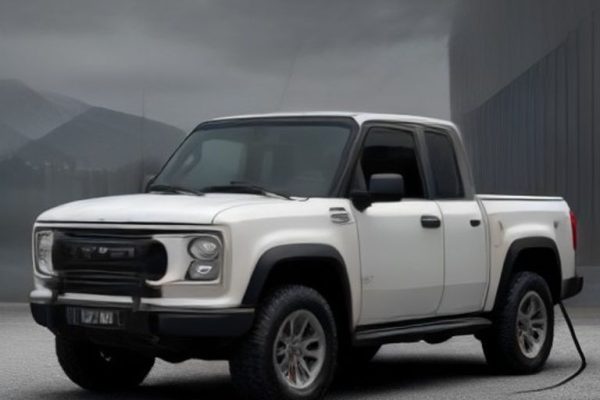
- Full-Size Pickup Trucks: Models like the Ford F-Series, Chevrolet Silverado, and Ram pickups are consistently targeted. Their high resale value, demand for powerful parts, and overall utility make them highly attractive. Many older models also lack robust modern security.
- Older Japanese Sedans: Vehicles such as the Honda Civic and Accord, along with various Toyota Camry models, have long featured prominently. Their sheer popularity ensures a vast aftermarket for parts, and many older model years are relatively easy to steal for chop shops.
- Mid-Size SUVs: Popular choices like older Honda CR-Vs and Toyota RAV4s often appear on theft reports. Their high production numbers feed a steady demand for parts, and their versatility is appealing for various illicit uses.
- Certain High-Value/Luxury Vehicles: Though less frequent in raw numbers, specific luxury cars and performance models are targeted by professional rings for export or to be stripped for high-end parts, showcasing a different facet of the theft market.
The ‘surprise’ often stems from the prevalence of older, common models over brand-new, expensive ones, highlighting the underlying economics of the black market for auto parts.
Modern Security and Prevention Strategies
Advanced vehicle security systems—including passive immobilizers, GPS trackers, and enhanced key fob encryption—have made newer cars significantly harder to steal by traditional means. This advancement has, however, redirected some thieves towards older models or the adoption of sophisticated techniques like relay attacks. Regardless of your vehicle’s age, proactive measures are your best defense:
- Always Lock Up: This fundamental step is frequently overlooked; many stolen cars were unlocked.
- Never Leave Keys/Fobs Inside: This is an open invitation for thieves. Take your keys, always.
- Use Visible Deterrents: A steering wheel lock, brake pedal lock, or even alarm decals can deter opportunistic thieves.
- Install a Tracking System: GPS trackers vastly improve the chances of vehicle recovery.
- Park Smart: Choose well-lit, high-traffic areas. Utilizing a garage is always best.
- Guard Your Fob: For keyless entry systems, store fobs in an RFID-blocking pouch when not in use to prevent relay attacks.
Vigilance: Your Best Defense
While official, comprehensive data for the most recently completed year is pending, understanding the overarching trends and motivations behind vehicle theft is crucial. ‘Top 10’ lists offer valuable snapshots, but consistent vigilance, smart parking habits, and investing in proven security measures remain the most effective strategies against becoming a statistic. By staying informed and proactive, car owners can better protect their vehicles across the United States.
Source : https://www.caranddriver.com/news/a70833130/top-10-most-stolen-cars-2025/