



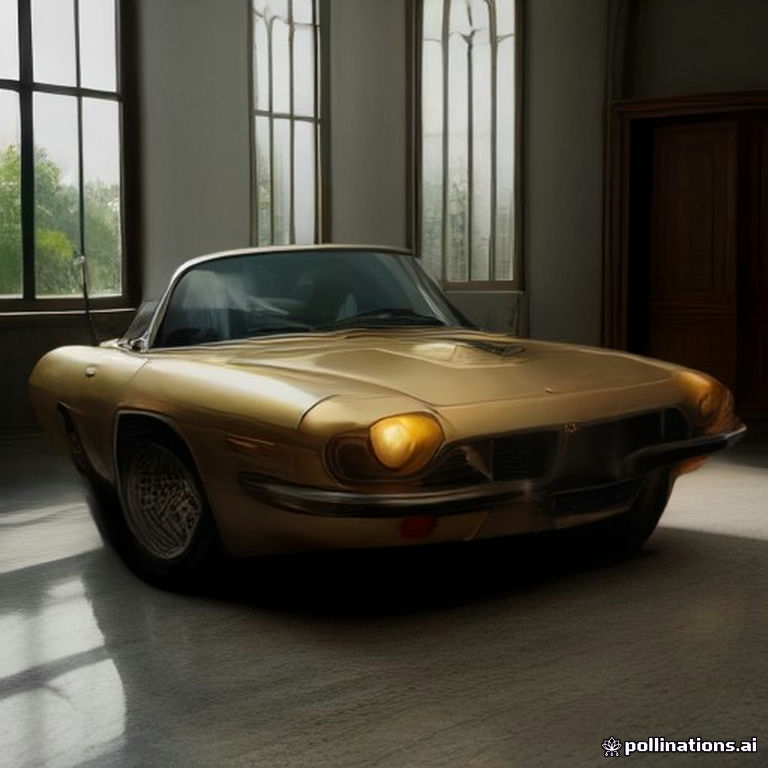
In the vast tapestry of automotive history, some vehicles shine brightly, forever etched into our collective memory. Others, despite their inherent qualities, remain in the shadows, their true value often recognized only decades later. The 1977 Mazda Cosmo, known as the RX-5 in many export markets, undoubtedly falls into the latter category. Our archives reveal a sentiment that rings profoundly true today: this was « a lot more car than the sales figures would have you believe. » It’s a statement that begs a closer look, a re-evaluation of a machine that, in many respects, was perfectly executed for its intended purpose, yet struggled to find its footing in a challenging market. This isn’t just a car; it’s a testament to engineering ambition and design prowess that, for reasons beyond its intrinsic worth, didn’t achieve the widespread acclaim it deserved.
A Grand Tourer of Understated Elegance
Mazda’s second-generation Cosmo (CD series), launched in 1975, presented itself as a sophisticated personal luxury coupe. For 1977, the model continued its journey, embodying a deliberate design strategy aimed at the North American market. Its styling cues, including a long hood, short deck, and distinctive opera windows, were clearly influenced by contemporary American personal luxury cars. This choice allowed Mazda to offer a unique Japanese interpretation of comfort and refinement, shunning overt sportiness for a more graceful, grand touring aesthetic. The Cosmo’s lines were clean, and its proportions balanced, projecting an aura of sophisticated comfort rather than aggressive performance, making it a subtle yet elegant presence on the road.
The Refined Rotary Heart
Beneath its elegant exterior, the 1977 Cosmo housed its most distinctive feature: the Wankel rotary engine. Available with either the 12A or the more potent 13B rotary unit, this powerplant was the car’s technological crown jewel. Unlike conventional piston engines, the rotary offered unparalleled smoothness and a unique, linear power delivery. Its inherent balance and lack of reciprocating mass meant an almost vibration-free operation, allowing the engine to rev freely and quietly. For a luxury coupe, this characteristic was a significant advantage, contributing to an exceptionally refined driving experience. The 13B engine delivered respectable output for its size, providing brisk acceleration and effortless cruising, perfectly complementing the car’s grand touring capabilities and luxurious aspirations.
Luxurious Interior and Unrivaled Comfort
Stepping inside the 1977 Mazda Cosmo revealed a cabin designed with unexpected luxury and thoughtful comfort as priorities. The interior was plush, appointed with high-quality materials such as rich velour or optional leather, and featured deeply cushioned seats providing excellent support for long journeys. The dashboard layout was ergonomic and intuitive, with clear instrumentation. Key elements that underscored its premium aspirations included:
- Smooth Ride Quality: Suspension meticulously tuned for a supple, comfortable experience, absorbing road imperfections with ease.
- Comprehensive Amenities: Often equipped with power windows, efficient air conditioning, and a quality sound system as standard or readily available options.
- Quiet Cabin Environment: Commendable noise insulation contributed to a serene atmosphere, making long drives particularly enjoyable.
- Ergonomic Design: An intuitive dashboard layout and accessible controls prioritized driver and passenger convenience.
These features collectively elevated the in-car experience, making it feel like a premium vehicle that often exceeded the expectations of those who might have underestimated Mazda’s luxury ambitions.
Market Challenges and Unfair Obscurity
Despite its impressive engineering and luxurious appointments, the 1977 Mazda Cosmo (RX-5) struggled to capture significant market share. Several factors contributed to this disparity between its intrinsic worth and its sales figures. The lingering shadow of the 1973 oil crisis severely impacted the perception of rotary engines due to their perceived fuel inefficiency, even though Mazda had made strides in improving consumption. The market remained wary. Furthermore, the Cosmo’s styling, while elegant, was perhaps too derivative of American personal luxury coupes, failing to establish a unique identity. Mazda, as a brand, was still primarily known for more economical cars, making it challenging to convince buyers of its luxury capabilities. Caught in a perfect storm of market skepticism and fierce competition, the Cosmo often went unnoticed.
A Deserving Reassessment for a True Classic
Today, a retrospective look confirms the 1977 Mazda Cosmo offered far more than its sales figures suggested. It represented Mazda’s bold ambition to combine innovative rotary technology with genuine luxury and grand touring capability. Its smooth performance, comfortable ride, and well-appointed interior made it a compelling package for anyone seeking refinement and a distinctive driving experience. The archives were right: it was an underappreciated gem. For enthusiasts, the Cosmo RX-5 stands as a testament to an era when Mazda dared to be different, pushing boundaries. It deserves to be remembered not just as a footnote in rotary history, but as a sophisticated, comfortable, and uniquely engaging personal luxury coupe that truly merited greater recognition. Its understated charm and advanced engineering make it a classic that absolutely « deserves better » than its historical obscurity.
Source : https://www.caranddriver.com/reviews/a73963369/1977-mazda-cosmo-archive-drive/


