



Lego F1 Minicars Redefine Miniature Speed as Drivers’ Parade Returns to Grid
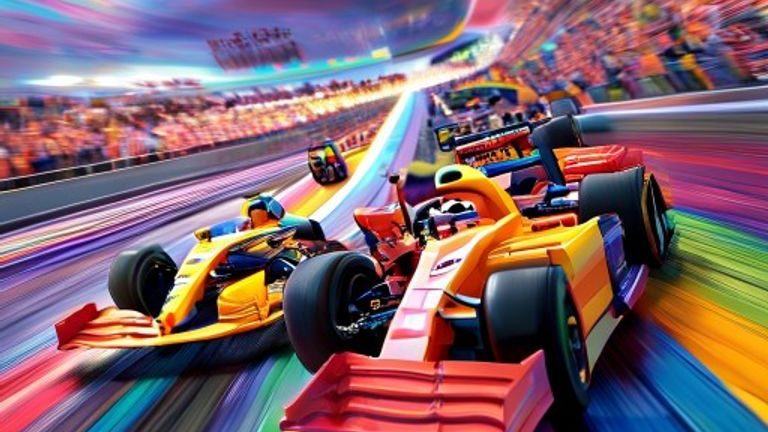
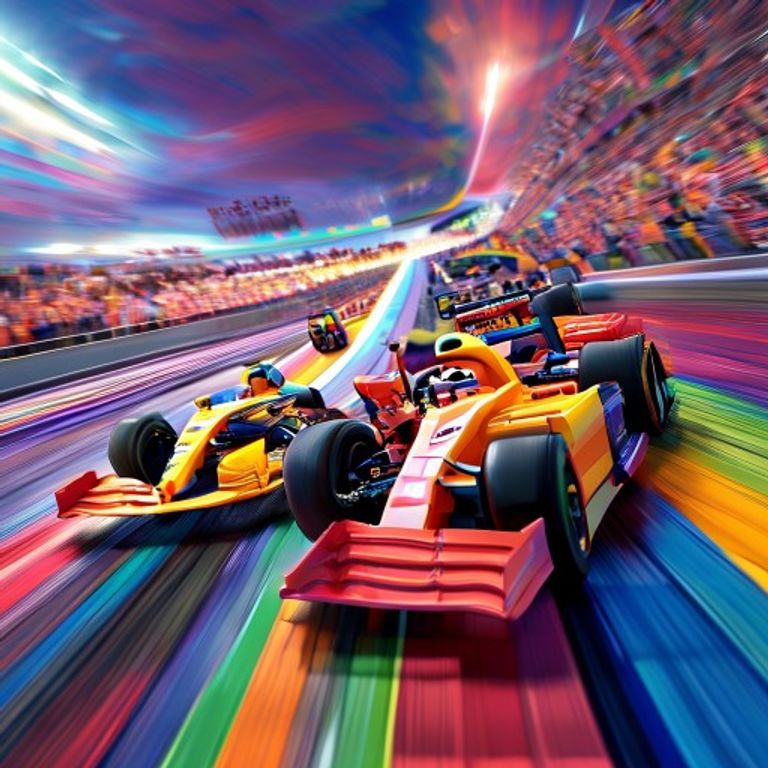
The roar of engines and the thrill of speed are synonymous with Formula 1, a sport that captivates millions worldwide with its blend of cutting-edge technology, strategic brilliance, and sheer human endeavor. Beyond the high-octane races themselves, Formula 1 frequently engages with its global fanbase through various interactive initiatives and partnerships. One such beloved collaboration, which consistently bridges the gap between the grandeur of professional motorsport and the imaginative world of play, is the ongoing partnership with Lego. Enthusiasts and collectors alike are buzzing with the news that the iconic Drivers’ Parade is set to return to the F1 grid, featuring an exciting new generation of Lego F1 minicars.
These latest miniature marvels from Lego are generating significant excitement, not just for their reappearance in a high-profile F1 event, but for the notable advancements in their design and performance. According to recent announcements, the new Lego F1 minicars represent a significant evolution from their predecessors. They are described as being notably smaller than last year’s models and ingeniously crafted with fewer bricks. Yet, despite this more compact and streamlined construction, these minicars are anything but slow; they boast an impressive top speed of a blazing 15 mph.
Innovation in Miniature: The Evolution of Lego F1 Design
The continuous appeal of Lego F1 models lies in their ability to capture the essence of their full-sized counterparts, providing fans with a tangible connection to the sport. The announcement of smaller, more brick-efficient designs for the new F1 minicars highlights a persistent drive for innovation within the Lego design philosophy. Crafting detailed and recognizable replicas while simultaneously reducing their physical footprint and the number of components is a testament to sophisticated engineering and creative problem-solving.
This design direction often reflects a broader trend in toy manufacturing: to achieve greater realism and functionality within more compact forms, or to optimize the building experience. While the specific reasons for this year’s reduction in size and brick count are part of Lego’s ongoing development process, it generally indicates a focus on either enhancing portability, improving aerodynamic profiles in miniature, or refining the structural integrity with fewer parts. Achieving a compelling aesthetic and robust structure with a reduced brick count can often result in a sleeker, more refined model that appeals to both builders and collectors for its ingenuity.
- Reduced Footprint: The smaller size likely contributes to a more nimble appearance and potentially a more efficient interaction with miniature race environments.
- Optimized Construction: Fewer bricks often imply a more streamlined assembly process or a focus on essential design elements, challenging designers to maximize impact with minimal components.
- Enhanced Realism: Sometimes, a more compact design allows for a greater focus on accurate proportions and key visual cues, making the miniature cars even more faithful to their F1 inspirations.
The Thrill of Speed: A Blazing 15 mph in Miniature
Perhaps the most captivating detail about the new Lego F1 minicars is their remarkable performance capability: a top speed of 15 mph. For a toy vehicle, especially one constructed from interlocking bricks, this speed is truly impressive and sets a new benchmark for what can be expected from miniature, buildable race cars. This achievement speaks volumes about the advancements in Lego’s design and technological integration, pushing the boundaries of what is possible within the realm of brick-based construction.
The pursuit of speed is fundamental to Formula 1, where every millisecond counts, and engineering teams pour countless hours into optimizing aerodynamics, engine performance, and chassis dynamics to gain an advantage. This ethos of relentless improvement and the quest for ultimate velocity finds a fascinating echo in these Lego minicars. A 15 mph speed transforms these models from static display pieces into dynamic, interactive vehicles capable of thrilling races in their own right, stimulating the imagination and offering a more engaging play experience. It bridges the gap between passive enjoyment and active participation, allowing enthusiasts to experience a sliver of the F1 thrill on a smaller scale.
Considering the weight, friction, and power limitations inherent in Lego models, reaching 15 mph indicates a sophisticated integration of motors, gearing, and lightweight construction techniques. It’s a testament to how advanced toy engineering can deliver surprising performance, making these cars not just collectibles but genuine miniature speed machines.
The Drivers’ Parade: Connecting Fans to the F1 Grid
The return of the Drivers’ Parade to the F1 grid, now featuring these cutting-edge Lego F1 minicars, is more than just a promotional event; it’s a vibrant celebration that deeply connects the sport with its fanbase. The Drivers’ Parade is a cherished tradition in Formula 1, offering spectators a unique opportunity to see their racing heroes up close before the tension of the race begins. Integrating these specially designed Lego models into such a high-profile event adds an extra layer of charm and accessibility, particularly for younger fans who are often introduced to the world of F1 through toys and replicas.
Such collaborations effectively amplify the appeal of Formula 1 beyond the core racing audience, drawing in new generations of enthusiasts who appreciate the blend of creativity, engineering, and competition. The sight of these smaller, faster Lego F1 minicars parading on the actual F1 grid serves as a powerful symbol of innovation and imagination. It underscores how the spirit of racing can be translated into various forms, inspiring creativity and a passion for speed in children and adults alike.
- Fan Engagement: Events like the Drivers’ Parade with Lego cars enhance fan interaction and create memorable experiences, especially for families.
- Inspiring Future Engineers: Showcasing advanced Lego models can spark an early interest in engineering, design, and physics among young viewers.
- Brand Synergy: The collaboration strengthens the bond between two global brands—Formula 1 and Lego—both renowned for excellence, innovation, and engaging their respective audiences.
A New Era for Miniature Motorsport
The introduction of new Lego F1 minicars, characterized by their smaller footprint, efficient brick usage, and remarkable 15 mph top speed, marks an exciting development in the world of miniature motorsport. Coupled with the anticipated return of the Drivers’ Parade featuring these innovative vehicles, this initiative promises to further ignite passion for Formula 1 and Lego alike. It’s a compelling demonstration of how ingenuity and advanced design can deliver extraordinary performance even on a miniature scale, ensuring that the thrill of F1 is accessible and engaging for everyone, from seasoned collectors to aspiring young racers. The future of brick-built racing looks faster and more dynamic than ever.
Source : https://www.caranddriver.com/news/a71818864/f1-silverstone-race-drivable-lego-cars/